
Prevent Slag Inclusions in Pipe Welds with Optimized Flux
Ensuring Flawless Pipe Welds by Optimizing Pipe Welding Flux Selection
In the challenging world of industrial fabrication and construction, the integrity of pipe welds is paramount. Slag inclusions, a common defect, can compromise the mechanical properties of a weld, leading to reduced strength, ductility, and increased susceptibility to failure. For welding supervisors troubleshooting reject rates on submerged arc welding (SAW) or multi-pass pipe welds, understanding and preventing these inclusions is critical. The correct application and selection of welding fluxes play a decisive role in achieving high-quality, defect-free pipe joints. This article delves into the causes of slag inclusions and outlines practical strategies for prevention, emphasizing the pivotal role of optimized pipe welding flux.
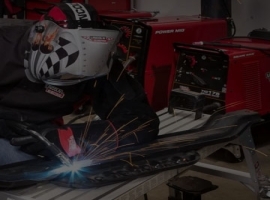
Understanding Slag Inclusions in Pipe Welding
Slag inclusions are non-metallic compounds entrapped within the weld metal or between the weld metal and base metal. These compounds are typically oxides, silicates, or other non-metallic residues that solidify within the molten weld pool rather than floating to the surface. Their presence creates discontinuities that act as stress concentrators, significantly weakening the weld's structural integrity.
Common Causes of Slag Inclusions
Slag inclusions can arise from a multitude of factors, often interconnected:
- Insufficient Cleaning: Inadequate removal of scale, rust, paint, oil, or previous slag layers between passes can lead to inclusions.
- Improper Welding Parameters: Incorrect current, voltage, travel speed, or electrode angle can prevent proper slag detachment and cause entrapment. For instance, too low a current might not generate enough heat to keep the slag molten, while too fast a travel speed might outrun the slag's ability to float.
- Incorrect Electrode or Flux Selection: Using the wrong type of electrode or flux for the base material or welding position can lead to slag with poor fluidity or density, making it difficult to remove. For SAW applications, the right submerged arc welding flux hj431 is crucial for proper slag characteristics.
- Poor Joint Design: Narrow or improperly prepared grooves can restrict slag movement, leading to entrapment, especially in multi-pass welds.
- Arc Blow: Magnetic forces can deflect the arc, leading to erratic penetration and localized cooling, which can trap slag.
- Flux Contamination or Degradation: Moisture absorption or contamination of the welding flux can alter its chemical composition and physical properties, leading to poor slag performance.
Impact on Weld Integrity
The consequences of slag inclusions are severe:
- Reduced Mechanical Properties: They decrease tensile strength, yield strength, and toughness, making the pipe more vulnerable to fracture under stress.
- Fatigue Failure: Inclusions act as initiation points for fatigue cracks, leading to premature failure in cyclically loaded applications.
- Corrosion Susceptibility: They can create crevices where corrosive agents can accumulate, accelerating localized corrosion.
- Increased Repair Costs and Delays: Identifying and repairing slag inclusions requires extensive non-destructive testing and rework, leading to significant project delays and cost overruns.
The Critical Role of Pipe Welding Flux
Welding fluxes are more than just consumables; they are integral to the quality of the weld. In pipe welding, where precision and integrity are non-negotiable, the flux plays a multifaceted role in shaping the weld bead, protecting the molten pool, and influencing the final metallurgical properties.
Functions of High-Quality Welding Flux
A superior pipe welding flux performs several vital functions:
- Arc Stabilization: It provides a stable arc, ensuring consistent heat input and penetration.
- Atmospheric Protection: It creates a gaseous shield around the molten weld pool, preventing contamination from oxygen and nitrogen in the atmosphere.
- Deoxidation and Alloying: Fluxes contain deoxidizers that remove impurities from the molten metal and can introduce alloying elements to enhance weld metal properties.
- Slag Formation: This is arguably its most critical function in relation to inclusions. The flux forms a molten slag layer that floats on top of the weld pool. This slag protects the solidifying weld metal from the atmosphere, controls the weld bead shape, and, crucially, facilitates the removal of impurities. A well-designed slag should be easily detachable once cooled.
- Control of Weld Bead Shape: The viscosity and surface tension of the molten slag influence the contour and appearance of the weld bead.
Types of Fluxes for Pipe Welding Applications
Oldwelders offers a comprehensive range of welding materials, including various fluxes suitable for pipe welding. The choice depends on the specific welding process (e.g., SAW), base material, and desired metallurgical properties:
- Agglomerated Fluxes: These are manufactured by mixing raw materials with a binder, then baking and crushing them. They offer excellent metallurgical control and are highly versatile.
- Fused Fluxes: Produced by melting raw materials at high temperatures (like our process at 2000 °C, using excellent dolomite, bauxite, cryolite, silica, fluorine ore), then solidifying and crushing. Fused fluxes are very stable, resistant to moisture pickup, and produce consistent results.
- Bonded Fluxes: Similar to agglomerated but use different binders. They offer good performance and are often tailored for specific applications.
Our manufacturing plant, covering an area of 1000 square meters with six production lines, has the capacity to supply 100 tons a day, ensuring consistent availability of high-quality flux products for our global clientele, including key markets like Brazil, Thailand, Australia, and Malaysia.
Practical Strategies for Preventing Slag Inclusions
Preventing slag inclusions requires a systematic approach, combining meticulous preparation, optimized parameters, and the right pipe welding flux.

Optimizing Welding Parameters
Fine-tuning welding parameters is fundamental for proper slag detachment:
- Current and Voltage: Ensure the current is sufficient to maintain a fluid weld pool and molten slag. Voltage affects arc length and bead width; too high a voltage can create a wide, shallow bead with poor penetration and difficulty in slag removal, while too low can lead to an unstable arc.
- Travel Speed: An optimal travel speed allows the molten flux to fully react and the slag to float to the surface before the weld pool solidifies. Too fast, and the slag gets trapped; too slow, and excessive heat input can lead to other defects.
- Electrode Angle and Stick-out: Maintain the correct electrode angle to ensure proper penetration and facilitate slag flow. An appropriate stick-out (distance from contact tip to workpiece) is crucial for consistent current density and arc stability, which influences slag behavior.
- Preheat and Interpass Temperature: For thicker pipes or specific materials, preheating helps slow down the cooling rate, allowing more time for gases and slag to escape the weld pool. Maintaining correct interpass temperatures in multi-pass welds is equally important for consistent metallurgical properties and slag removal.
Proper Flux Handling and Storage
Flux is susceptible to moisture pickup, which can introduce hydrogen into the weld metal, leading to porosity and hydrogen-induced cracking, and significantly alter slag characteristics. Proper handling is non-negotiable:
- Storage: Store fluxes in dry, temperature-controlled environments, ideally in sealed containers.
- Re-baking: If there's any doubt about moisture absorption, re-bake the flux according to manufacturer specifications before use. This process drives out absorbed moisture.
- Dispensing: Use clean, dry equipment for dispensing flux to prevent contamination.
Material Preparation and Joint Design
Thorough preparation of the base metal and thoughtful joint design are critical:
- Cleaning: Remove all rust, scale, grease, oil, paint, and other contaminants from the weld joint and surrounding areas. Grind or brush away any previous slag layers between passes.
- Joint Geometry: Design the joint to allow sufficient space for the molten slag to flow and solidify without becoming entrapped. Proper root openings and groove angles are essential, especially in multi-pass pipe welds.
- Fit-up: Ensure accurate fit-up to prevent inconsistencies in gap and alignment, which can affect arc stability and slag flow.
Post-Weld Cleaning Practices
Even with optimal parameters and proper flux, some slag will form. Effective interpass and final cleaning are vital:
- Chipping and Brushing: Use chipping hammers and wire brushes to thoroughly remove all slag from each weld pass before depositing the next. This is particularly important for multi-pass welds where residual slag can easily become entrapped.
- Grinding: In some cases, light grinding may be necessary to remove stubborn slag or to achieve the desired contour for subsequent passes.
Choosing the Right Pipe Welding Flux for Your Project
Selecting the appropriate pipe welding flux from a trusted supplier like Oldwelders is a proactive step towards preventing slag inclusions and achieving high-quality welds. Our commitment to quality is underscored by our ISO 9001 certification, ensuring that every product meets rigorous international standards.
Factors to Consider in Flux Selection
When selecting a flux for your pipe welding applications, consider:
- Base Material: The chemical composition and mechanical properties of the pipe material dictate the type of flux needed for optimal compatibility and metallurgical results.
- Welding Process: Specific fluxes are designed for different processes, such as SAW, which is common in pipe fabrication.
- Joint Design and Position: The geometry of the joint and the welding position (e.g., flat, horizontal, vertical, overhead) can influence flux flow and slag detachability.
- Desired Weld Properties: Depending on the application, you might need a flux that enhances specific properties like toughness, corrosion resistance, or strength.
- Ease of Slag Removal: Prioritize fluxes known for producing easily detachable slag to minimize post-weld cleaning efforts and reduce the risk of inclusions.
Oldwelders' Commitment to Quality Flux Products
At Oldwelders, we pride ourselves on manufacturing high-performance welding fluxes designed to meet the stringent demands of B2B clients worldwide. Our raw materials, including excellent dolomite, bauxite, cryolite, silica, and fluorine ore, are melted at 2000 °C to ensure superior purity and consistency. This meticulous process results in fluxes that provide stable arcs, effective atmospheric shielding, and, critically, produce easily detachable slag, thereby significantly reducing the likelihood of slag inclusions.
We understand the importance of reliability in industrial operations. Our minimum order quantity (MOQ) of 1 ton allows businesses of all sizes to access our premium products. Whether you require welding machine solutions or specialized pipe welding flux for complex projects, Oldwelders is your trusted partner. Our global reach extends to target markets such as Brazil, Thailand, Australia, and Malaysia, ensuring that our high-quality products are accessible where and when you need them.
Conclusion
Preventing slag inclusions in pipe welds is a multi-faceted challenge that requires expertise, diligence, and the right materials. By understanding the causes, optimizing welding parameters, ensuring proper material preparation, and most importantly, selecting and handling high-quality pipe welding flux, welding supervisors can significantly enhance the integrity and reliability of their pipe welding operations. Oldwelders remains committed to providing the industry with advanced welding solutions, helping you achieve flawless, high-performance welds every time.