
How Welding Flux Protects Weld Pools for Superior Quality
Understanding How Welding Flux Protects the Weld Pool for Optimal Integrity
In the intricate world of welding, achieving a strong, durable, and defect-free joint is paramount. While the welding machine and specialized welding materials play crucial roles, the often-understated hero in this process is the welding flux. The role of welding flux is paramount in shielding the molten weld pool from harmful atmospheric contaminants, which can severely compromise the mechanical properties and integrity of the finished weld.
For welding engineers and production teams, understanding the science behind flux formulation and its protective mechanisms is not just academic; it is essential for selecting the correct consumables and processes to ensure weld quality. At Oldwelders, we recognize this critical need, which is why our welding fluxes are engineered to meet the highest industry standards, backed by our ISO 9001 certification. Our commitment to quality begins with the selection of excellent raw materials like dolomite, bauxite, cryolite, silica, and fluorine ore, which are then melted at precisely 2000 °C in our advanced production facilities.
This comprehensive guide delves into the fundamental principles of how welding flux safeguards the weld pool, exploring its various types and the specific protective functions they perform. By gaining a deeper insight into these mechanisms, professionals can make informed decisions that lead to superior weld quality and operational efficiency.
The Fundamental Role of Flux in Metallurgy
During any welding process, the molten metal in the weld pool is highly reactive and susceptible to contamination from the surrounding atmosphere. Oxygen, nitrogen, and hydrogen present in the air can dissolve into the molten metal, leading to porosity, embrittlement, hot cracking, and reduced corrosion resistance. This is where flux becomes indispensable, acting as a multi-functional protector to ensure the metallurgical integrity of the weld.
The primary functions of flux can be categorized into several critical areas:
- Atmospheric Shielding: As the flux melts under the intense heat of the arc, it decomposes and produces a protective gas shield around the molten weld pool. This gaseous envelope displaces ambient air, preventing oxygen and nitrogen from reacting with the hot metal.
- Slag Formation: Simultaneously, the melted flux forms a molten slag layer that floats on top of the weld pool. This slag acts as a physical barrier, further isolating the molten metal from the atmosphere. Upon cooling, the slag solidifies, providing a slower cooling rate for the weld, which can improve its metallurgical structure and minimize distortion. The solidified slag is typically easy to remove once the weld has cooled.
- Deoxidation and Purification: Flux formulations often contain deoxidizers such as manganese, silicon, and titanium. These elements have a higher affinity for oxygen than the base metal, reacting with dissolved oxygen in the weld pool to form oxides that are absorbed into the slag. This process effectively cleanses the molten metal, preventing the formation of harmful oxides within the weld bead itself.
- Alloying Elements: Beyond protection, some fluxes are designed to introduce specific alloying elements into the weld metal. This can enhance the mechanical properties of the weld, such as strength, toughness, and corrosion resistance, tailoring the weld to specific application requirements.
- Arc Stabilization: The chemical composition of the flux also plays a role in stabilizing the welding arc. Certain compounds within the flux ionize readily, creating a more consistent and stable arc, which leads to smoother metal transfer and a more uniform weld bead.
The precise balance of these functions is crucial, and Oldwelders' extensive experience in manufacturing welding consumables ensures that our flux products deliver optimal performance across a wide range of applications. Our raw materials, such as excellent dolomite and bauxite, are carefully selected to contribute to these vital protective and enhancing properties.
Types of Welding Fluxes and Their Protective Mechanisms
The method by which flux delivers its protective capabilities varies significantly depending on the welding process. Understanding these distinctions is key to selecting the appropriate welding flux for your specific project.
Granular Fluxes for Submerged Arc Welding (SAW)
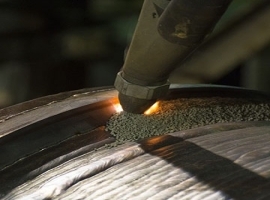
In Submerged Arc Welding (SAW), the arc is completely hidden beneath a blanket of granular flux. This process is characterized by high deposition rates and deep penetration, making it ideal for heavy fabrication. The granular flux is typically fed from a hopper and covers the welding arc and molten pool. As the arc progresses, a portion of the flux melts, forming a molten slag that completely encapsulates the weld pool.
- Mechanism: The thick layer of unmelted granular flux, combined with the molten slag, provides exceptional atmospheric shielding. This prevents any air from reaching the arc or the molten metal. The slag also helps to shape the weld bead and controls its cooling rate, contributing to improved mechanical properties.
- Composition: Granular fluxes are generally classified as active, neutral, or alloy-adding, based on their chemical composition and reactivity with the weld metal. They can be fused, agglomerated, or bonded, each manufacturing method imparting different characteristics regarding moisture resistance, handling, and performance. Our submerged arc welding flux hj431 is an example of a product designed for superior performance in these demanding applications.
Coated Fluxes for Shielded Metal Arc Welding (SMAW)
Shielded Metal Arc Welding (SMAW), often referred to as stick welding, uses an electrode coated with flux. This is one of the most versatile and widely used welding processes, applicable in various environments and positions.
- Mechanism: When the arc is struck, the intense heat melts both the metal core of the electrode and its flux coating. The flux coating decomposes, generating a protective gas shield around the arc and weld pool. Simultaneously, it forms a molten slag that covers the solidifying weld metal. The gas shield keeps oxygen and nitrogen away, while the slag physically protects the cooling metal and helps to refine its microstructure.
- Composition: The specific composition of the flux coating on an electrode dictates its welding characteristics, such as penetration, arc stability, slag detachability, and the mechanical properties of the weld. Different types of electrodes (e.g., cellulosic, rutile, basic) have distinct flux formulations engineered for specific applications and welding positions. For instance, our aws e6013 welding electrodes are designed with a rutile-type coating for ease of use and excellent bead appearance.
Flux-Cored Wires for Flux-Cored Arc Welding (FCAW)
Flux-Cored Arc Welding (FCAW) employs a continuously fed tubular wire that contains flux in its core. This process combines some of the advantages of SMAW (with its flux protection) and Gas Metal Arc Welding (GMAW) (with its continuous wire feed).
- Mechanism: As the flux-cored wire is consumed, the flux within its core melts and decomposes, producing both a protective gas shield and a molten slag layer. Some FCAW processes (self-shielded) rely solely on the flux to generate enough gas and slag for protection. Other FCAW processes (gas-shielded) use an external shielding gas in addition to the flux, offering enhanced protection and improved weld quality, especially in critical applications.
- Composition: The flux in the core of these wires contains ingredients similar to those found in SMAW electrode coatings, including deoxidizers, slag formers, and alloying elements. The ability of FCAW to provide its own shielding makes it particularly useful for outdoor welding or in environments where external shielding gas might be impractical.
Oldwelders' Commitment to Quality Welding Flux Production
At Oldwelders, our dedication to providing superior welding solutions is reflected in every aspect of our manufacturing process. We understand that the performance of welding flux is directly tied to its consistent quality and precise formulation. This understanding drives our operations, ensuring that our products meet the rigorous demands of professional welding applications worldwide.
Our commitment begins with the sourcing of raw materials. We utilize only excellent dolomite, bauxite, cryolite, silica, fluorine ore, and other high-grade ores. These materials are meticulously selected for their purity and suitability to form the essential components of effective flux formulations. During production, these raw materials are processed and melted at an extreme temperature of 2000 °C, a critical step that ensures proper chemical reactions and homogeneity of the final product. This stringent control over raw materials and processing parameters is a cornerstone of our quality assurance.
Our state-of-the-art manufacturing facility underscores our capability to deliver high-volume, high-quality products. The plant covers an extensive area of 1000 square meters and is equipped with six advanced production lines. This robust infrastructure allows us to maintain a remarkable production capacity, capable of supplying up to 100 tons of welding fluxes per day. Such capacity ensures that we can consistently meet the demands of our global clientele, from Brazil and Thailand to Australia and Malaysia, without compromising on product excellence or delivery schedules.
Furthermore, Oldwelders operates under the strict guidelines of ISO 9001 certification. This internationally recognized standard for quality management systems is not just a certification; it is a testament to our unwavering commitment to continuous improvement, customer satisfaction, and consistently delivering products that perform as expected, every time. Our quality control processes span from the initial raw material inspection through every stage of manufacturing to the final product testing, ensuring that each batch of welding flux meets our exacting standards and delivers optimal protection and performance for your weld pools.
Selecting the Right Welding Flux for Your Applications
Choosing the correct welding flux is a critical decision that directly impacts weld quality, productivity, and cost. A careful assessment of several factors is necessary to ensure the best outcome for your welding projects.
- Base Metal Type: The metallurgical composition of the base metal (e.g., mild steel, stainless steel, high-strength low-alloy steel) dictates the required flux characteristics. Certain fluxes are formulated to complement specific base metal chemistries, preventing undesirable reactions and promoting sound metallurgical bonds.
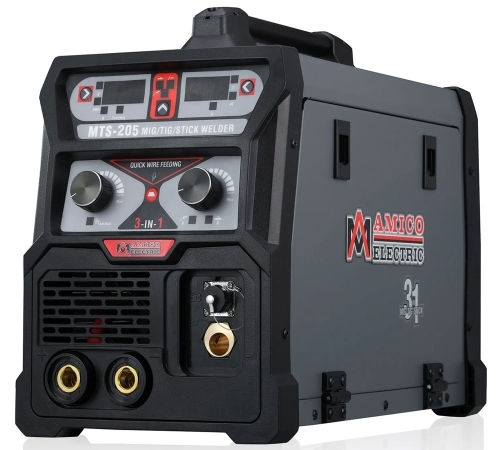
- Welding Process: As discussed, the type of flux used is intrinsically linked to the welding process employed. Whether you are performing SMAW, SAW, or FCAW, a specific flux type will be required. For instance, an mig-mag-tig welding machine would typically use solid wire with external gas shielding, whereas a machine designed for stick welding relies entirely on the electrode's flux coating.
- Desired Weld Properties: Consider the mechanical properties required for the finished weld, such as tensile strength, yield strength, toughness, ductility, and corrosion resistance. Some fluxes are designed to add specific alloying elements or to create a slag that promotes a particular microstructure, thereby enhancing these properties.
- Welding Position and Environment: The welding position (flat, horizontal, vertical, overhead) and environmental conditions (e.g., indoor, outdoor, windy) can influence flux selection. Some fluxes provide a more stable arc and manageable slag for out-of-position welding, while others offer superior shielding in challenging environments.
- Productivity and Efficiency: Fluxes can also be chosen based on desired deposition rates, travel speed, and ease of slag removal, all of which contribute to overall productivity. For high-volume production, parameters like the 100 tons per day capacity of Oldwelders' plant ensure that your supply chain remains robust and reliable for quality welding fluxes.
Consulting with experienced material suppliers like Oldwelders can provide invaluable guidance in this selection process. Our technical team possesses deep knowledge of our product lines and can assist you in matching the optimal flux to your unique application requirements, ensuring both performance and cost-effectiveness.
Maintaining Optimal Weld Integrity with Advanced Flux Solutions
The integrity of a weld is not just about its immediate appearance; it's about its long-term performance, resistance to fatigue, and ability to withstand operational stresses. The protective role of flux extends well beyond the initial molten state, influencing the final metallurgical structure and mechanical properties of the solidified weld metal. By effectively preventing contamination, promoting deoxidation, and sometimes introducing beneficial alloying elements, flux significantly contributes to the overall quality and reliability of welded structures.
At Oldwelders, we are continuously innovating our flux formulations to meet the evolving demands of modern industries. Our focus on research and development ensures that our products not only adhere to current industry standards but also anticipate future challenges in materials and processes. We pride ourselves on offering a comprehensive range of welding consumables, including various welding fluxes, welding wires, and welding rods, all designed to work in synergy to achieve superior results.
Choosing Oldwelders as your partner means opting for a supplier that prioritizes quality, consistency, and technical expertise. Our robust production capabilities, certified quality management systems, and commitment to using only the finest raw materials mean you can trust our welding fluxes to provide the ultimate protection for your weld pools. Whether your operations are in Brazil, Thailand, Australia, or Malaysia, we are equipped to support your needs with reliable, high-performance welding solutions engineered for excellence.
For welding engineers and production teams seeking to enhance weld integrity and operational efficiency, partnering with a knowledgeable supplier is crucial. Contact Oldwelders today to discuss how our advanced welding flux products can elevate the quality and durability of your welded assemblies.