
Prevent Slag Inclusions With Shielded Arc Electrodes
A Guide to Preventing Slag Inclusions with Shielded Arc Electrodes
In Shielded Metal Arc Welding (SMAW), the flux coating on the electrode is fundamental to the process. As it burns, it creates a gaseous shield to protect the molten weld pool from atmospheric contamination and forms a layer of molten slag. This slag refines the weld metal and shapes the final bead. However, when this protective slag becomes trapped within the weld metal instead of floating to the surface, it creates a serious weld defect known as a slag inclusion. Understanding how to manage the slag produced by a Shielded Arc Electrode is a critical skill for ensuring the structural integrity and quality of every weld.
Slag inclusions act as stress concentrators, reducing the cross-sectional area of the weld and creating weak points that can lead to premature failure under load. For supervisors, quality assurance teams, and welders, preventing these defects is a top priority. This guide provides a comprehensive overview of the causes of slag inclusions and practical, actionable steps to prevent them, from operator technique to material selection.
What Are Slag Inclusions and Why Are They a Concern?
A slag inclusion is a non-metallic solid material entrapped within the weld bead or between the weld metal and the base metal. In the SMAW process, this material is composed of the flux compounds from the electrode coating. During a properly executed weld, the molten slag is less dense than the molten steel and naturally floats to the top of the weld puddle, where it solidifies into a protective layer that can be easily chipped away after cooling.
Problems arise when this process is disrupted. If the slag solidifies before it has a chance to escape the weld pool, it becomes trapped. These inclusions can vary in size and shape, from small, isolated pockets to long, continuous lines, often found at the root of a joint or between weld passes.
The Impact on Weld Integrity
The presence of slag is more than a cosmetic issue; it's a structural one. The primary concerns associated with slag inclusions include:
- Reduced Strength: Slag does not have the metallic properties of the weld metal. Its presence effectively reduces the load-bearing cross-section of the weld, making it weaker than intended.
- Stress Concentration: Sharp-edged slag inclusions create points where stress can concentrate. Under cyclic loading or impact, these points can become initiation sites for cracks, leading to fatigue failure.
- Corrosion Pathways: In certain environments, slag lines exposed to the surface can create pathways for corrosive elements to penetrate the weld, accelerating degradation.
- Inspection Failure: Welds for critical applications are often subject to non-destructive testing (NDT) like radiography (X-ray) or ultrasonic testing. The presence of slag inclusions will cause the weld to fail inspection, leading to costly rework and project delays.
Identifying Common Causes Related to Operator Technique
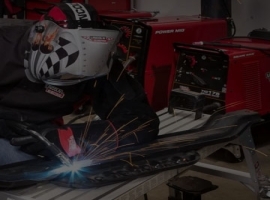
The majority of slag inclusion defects can be traced back to the welder's technique. The dynamic nature of the SMAW process requires precise control over several variables to ensure the slag is effectively managed throughout the weld.
Incorrect Travel Speed
Travel speed has a direct impact on the behavior of the weld puddle and slag.
- Too Fast: If the travel speed is too high, the molten metal solidifies too quickly behind the arc, physically trapping the slag before it can float to the surface.
- Too Slow: An excessively slow travel speed can cause the slag pool to become too large and run ahead of the arc. This is particularly problematic in vertical or overhead positions, where gravity works against the welder. The arc then has to burn through this layer of slag, leading to instability and entrapment.
Improper Electrode Angle
The angle at which the electrode is held relative to the workpiece influences the direction of the arc force, which helps control the weld puddle and push the slag away from the leading edge. A drag angle of 10-20 degrees from perpendicular is typically recommended for welding in the flat position. An incorrect angle, such as a push angle, can force slag into the molten puddle instead of allowing it to flow to the back.
Inconsistent Arc Length
Maintaining a consistent, short arc length is crucial. If the arc length is too long, the arc becomes unstable, and the heat input to the workpiece decreases. This results in a cooler, more sluggish weld puddle that is less capable of allowing the slag to flow freely to the surface. A long arc also reduces the effectiveness of the gaseous shield, increasing the risk of porosity alongside slag inclusions.
Poor Weave and Restart Technique
For wider beads, a weaving motion is often used. However, an improper weave can easily trap slag. Pausing too long at the toes of the weld can create an undercut, a groove that molten slag can flow into and become trapped by the subsequent filler metal. When restarting a weld bead, it's essential to strike the arc slightly ahead of the previous crater, then move back to fill it before continuing forward. A cold start directly on the previous bead's end can fail to re-melt the existing slag, trapping it under the new deposit.
The Critical Role of Interpass Cleaning and Preparation
In multi-pass welding, what happens between each bead is just as important as the welding itself. The slag layer that forms on top of a completed weld pass must be completely and thoroughly removed before the next pass is deposited. Any remaining slag will be melted by the subsequent pass and is highly likely to become trapped.
Tools and Best Practices
Vigilant interpass cleaning is non-negotiable for producing sound welds.
- Chipping Hammers and Wire Brushes: These are the standard tools for slag removal. A chipping hammer is used to break up the bulk of the slag, while a wire brush (ideally on a power tool like an angle grinder) is used to remove any remaining particles, especially from the toes of the weld.
- Pay Attention to the Weld Toes: The junction between the weld bead and the base plate (the toe) is a natural trap for slag. This area requires extra attention during cleaning to ensure it is completely clear before the next pass.
- Inspect Before You Weld: Before striking the next arc, visually inspect the entire length of the previous bead. A good light source can help reveal any small, glassy patches of remaining slag.
Joint Design Considerations
The design of the weld joint itself can make slag removal difficult. Very narrow groove angles or deep, inaccessible root areas can make it physically impossible to get tools in to clean properly. This should be considered during the design and fabrication planning stages to ensure welders have adequate access for cleaning.
Selecting the Right Shielded Arc Electrode and Parameters
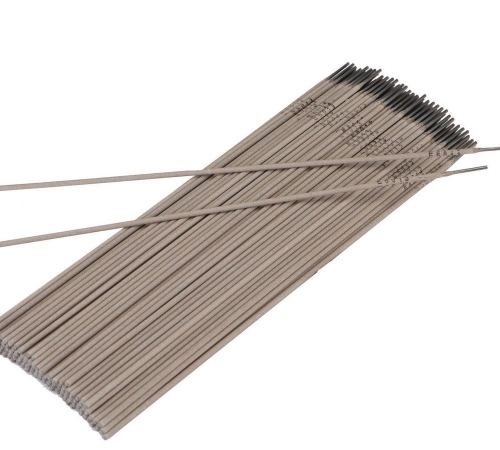
While technique is paramount, the consumables and machine settings you choose play a significant role in slag control. A high-quality electrode and a properly set arc welding machine create a stable, predictable environment that makes it easier for the operator to produce a clean weld.
Electrode Type and Quality
Different types of electrodes have different flux compositions, which result in varied slag characteristics.
- Slag Fluidity: Some electrodes, like E6010, have a light, fast-freezing slag that is excellent for out-of-position welding but requires more operator skill to manage. Others, like the popular AWS E6013 welding electrodes, have a more fluid and easily controlled slag system, which is more forgiving.
- Slag Detachability: Some flux systems are designed for easy slag removal, peeling off in large sections, which aids in faster interpass cleaning.
Consistency is key. At Oldwelders, our ISO 9001 certified manufacturing process ensures that all our welding materials provide predictable and reliable performance. Our fluxes are produced from excellent raw materials like dolomite and bauxite, melted at 2000°C to ensure purity and consistency, resulting in a Shielded Arc Electrode that delivers stable arcs and manageable slag characteristics batch after batch.
Machine Parameters: Amperage and Polarity
The welding parameters must be set according to the manufacturer's recommendation for the specific electrode size and type being used.
- Amperage: Welding with amperage that is too low for the electrode diameter will result in a weak arc and a cold, viscous weld puddle. This is a primary cause of slag inclusions, as the slag is not fluid enough to escape. Conversely, excessive amperage can cause undercut and an erratic arc, which also leads to slag entrapment.
- Polarity: The correct polarity (DCEP, DCEN, or AC) affects heat distribution and arc characteristics. Using the wrong polarity can lead to poor puddle control and increase the likelihood of defects.
Conclusion: A Proactive Approach to Weld Quality
Preventing slag inclusions is a matter of diligence, knowledge, and using quality materials. It requires a holistic approach that begins with proper joint preparation, continues with the selection of a suitable Shielded Arc Electrode and correct parameters, and is executed with precise operator technique and meticulous interpass cleaning. For businesses serving demanding markets from Australia to Brazil, delivering defect-free welds is non-negotiable for maintaining safety, reputation, and profitability.
By understanding the mechanisms that cause slag to become trapped, welders and supervisors can proactively troubleshoot issues and implement best practices. For large-scale operations where consistency is paramount, partnering with a reliable supplier is crucial. Oldwelders' 1000-square-meter facility, with six production lines capable of supplying 100 tons of welding consumables daily, ensures a stable supply chain for projects of any scale, with a standard lead time of 30 days and a minimum order quantity of just 1 ton. By combining proper training with high-quality consumables, you can ensure your welds are strong, clean, and free of slag inclusions.