
How to Compare SAW Systems for Steel Fabrication?
Understanding How to Compare Submerged Arc Welding Systems for Steel Structure SAW Fabrication
The fabrication of steel structures demands welding processes that deliver both efficiency and uncompromising quality. For heavy-duty applications and high-volume production, Submerged Arc Welding (SAW) stands out as a preferred method. However, selecting the optimal SAW system for your specific steel structure fabrication needs requires a discerning eye and a deep understanding of various technical and operational factors. This guide is designed for fabrication managers evaluating welding process investments, aiming to provide a comprehensive framework for comparing SAW systems before requesting equipment proposals.
At Oldwelders, our commitment to excellence is underscored by our welding machine manufacturing processes, which are certified to ISO 9001 standards. We understand the critical role that precision and reliability play in your operations, and our expertise spans across welding machines, wires, rods, and fluxes, ensuring you receive solutions tailored for demanding structural applications.
The Fundamentals of Steel Structure SAW in Modern Fabrication
Submerged Arc Welding is a robust fusion welding process known for its high deposition rates, deep penetration, and excellent weld quality, particularly suited for thick sections of steel. In the context of steel structure fabrication, SAW is indispensable for joining large beams, columns, girders, and other heavy components that form the backbone of infrastructure projects, industrial facilities, and commercial buildings. Its ability to produce smooth, clean welds with minimal spatter makes it ideal for applications where structural integrity and aesthetic finish are paramount.
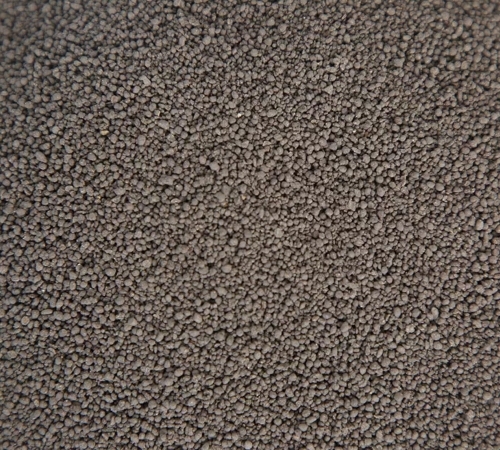
A typical SAW setup involves an arc maintained between a continuously fed bare wire electrode and the workpiece, submerged under a blanket of granular fusible flux. This flux serves multiple purposes: it protects the molten weld pool from atmospheric contamination, stabilizes the arc, and contributes alloying elements to the weld metal. The high current and voltage capabilities of SAW systems allow for very fast travel speeds and significant material deposition, translating directly into enhanced productivity for large-scale steel projects. When evaluating a Steel Structure SAW system, it is crucial to consider how these fundamental advantages align with your project specifications and production goals.
Key Factors in Evaluating SAW System Performance
Effective comparison of SAW systems goes beyond initial purchase price. It involves a detailed assessment of how each system performs under real-world fabrication conditions. Understanding these key factors will enable you to make an informed decision that supports your long-term operational efficiency and quality standards.
Deposition Rate and Efficiency
For steel structure fabrication, where large volumes of weld metal are often required, the deposition rate is a primary concern. SAW systems are renowned for their high deposition capabilities, often significantly exceeding those of other welding processes. Factors influencing deposition rate include the welding current, voltage, travel speed, and electrode diameter. Multi-wire SAW systems, for instance, can offer even higher deposition rates by utilizing two or more electrodes simultaneously, drastically reducing welding time for lengthy seams on structural components. Evaluating the maximum practical deposition rate for each system, relative to the types and thicknesses of steel you typically process, is crucial for optimizing your production throughput and managing labor costs.
Efficiency also encompasses power consumption and the overall duty cycle of the machine. A system with a higher duty cycle can operate for longer periods at maximum output, which is vital for continuous production in demanding fabrication environments. Oldwelders provides robust welding machine solutions engineered for sustained performance, ensuring your operations maintain momentum.
Joint Design and Material Compatibility
The specific joint designs common in your steel structure projects will heavily influence the ideal SAW system. SAW excels in butt joints, fillet welds, and groove welds on thick plates. Consider the typical material thicknesses you work with, as SAW is particularly effective on steel ranging from 6mm to several inches thick. The system's ability to handle various joint preparations, such as single-V, double-V, or square grooves, without extensive edge preparation, can significantly impact pre-welding labor. Furthermore, the compatibility of the SAW system with different grades of structural steel – including carbon steels, low-alloy steels, and high-strength low-alloy (HSLA) steels – is paramount. This includes ensuring the system can maintain optimal heat input to achieve the desired mechanical properties and avoid metallurgical issues like hydrogen-induced cracking, crucial for ensuring the longevity of the finished submerged arc welding flux hj431 joints in heavy steel structures.
Automation and Integration Capabilities
The level of automation offered by a SAW system can dramatically enhance consistency, repeatability, and productivity in steel fabrication. From semi-automatic setups where an operator guides the welding head, to fully automated gantry systems that track and weld complex structural profiles, the spectrum is wide. Considerations include the ease of programming, integration with existing material handling systems, and the precision of seam tracking capabilities. Automated SAW systems can minimize human error, reduce operator fatigue, and ensure uniform weld quality across long production runs, making them a wise investment for high-volume fabrication shops. Our range of automatic welding machine solutions are designed to integrate seamlessly into modern production lines, offering superior control and efficiency for your steel structure projects.
Selecting the Right Welding Consumables for Your Steel Structure SAW Application
The performance of any SAW system is intrinsically linked to the quality and suitability of its welding consumables: the welding wire and the welding flux. These components dictate the mechanical properties of the weld, its appearance, and the overall efficiency of the welding process. Careful selection here is critical for achieving optimal results in steel structure fabrication.
The Crucial Role of Welding Fluxes
Welding fluxes are perhaps the most influential consumable in SAW, impacting everything from arc stability and slag removal to the chemical composition and mechanical properties of the weld metal. SAW fluxes come in various types, including active, neutral, fused, and agglomerated, each offering distinct advantages. Active fluxes can add alloying elements to the weld, while neutral fluxes primarily protect the weld pool. Fused fluxes are produced by melting raw materials, solidifying them, and then crushing them into granular form, offering excellent consistency. Agglomerated fluxes, made by binding raw materials with a silicate binder and then baking, provide flexibility in composition and are often tailored for specific applications.
At Oldwelders, the raw materials for our flux products are meticulously sourced, utilizing excellent dolomite, bauxite, cryolite, silica, fluorine ore, and other high-grade ores. These are then melted at precisely controlled temperatures up to 2000 °C to ensure superior quality and consistent performance. This rigorous process guarantees that our welding fluxes, including specialized products, deliver the necessary protection and metallurgical benefits for critical applications, directly contributing to the strength and durability of your finished steel structures.
Matching Wires and Rods to Base Metal
The welding wire, or electrode, must be carefully matched to the base metal and the desired mechanical properties of the weld. Factors like tensile strength, yield strength, impact toughness, and corrosion resistance of the weld metal are largely determined by the wire's chemical composition in conjunction with the selected flux. For instance, wires with specific manganese and silicon content are often used with certain fluxes to achieve optimal deoxidation and mechanical properties in structural steel welds. Our comprehensive range of welding materials, including various welding wires and rods, ensures that you can find the perfect match for any structural steel grade and application, guaranteeing a robust and reliable weld every time.
Operational Considerations and Supplier Capabilities
Beyond the technical specifications of the SAW system itself, practical operational considerations and the capabilities of your supplier play a significant role in the long-term success of your steel structure fabrication projects. A holistic approach to comparison includes evaluating aspects of equipment reliability, supplier support, and adherence to quality standards.
Power Source and Equipment Reliability
The power source is the heart of any SAW system. Options include constant voltage (CV) and constant current (CC) power sources, or more commonly, systems that can operate in both modes. For SAW, constant voltage is often preferred for its stability, especially with larger diameter wires and higher deposition rates. Reliability and durability of the welding machine are paramount in demanding industrial environments. Assess the build quality, component robustness, and ease of maintenance. A reliable system minimizes downtime, which directly translates to sustained productivity and profitability for your fabrication shop. Our welding machine offerings are engineered for maximum uptime and rugged performance, even under continuous heavy loads.
Supplier Support and Logistics
The relationship with your SAW system supplier extends far beyond the initial purchase. Comprehensive technical support, availability of spare parts, and responsive after-sales service are crucial for minimizing operational disruptions. Consider the supplier’s ability to provide training for your operators and maintenance staff, ensuring efficient and safe use of the equipment. Logistics and supply chain capabilities are also vital, especially for international operations. Oldwelders proudly serves key markets, with a strong presence in regions like Brazil, Thailand, Australia, and Malaysia, ensuring that our clients receive timely support and product delivery no matter their location. Our expansive plant, covering an area of 1000 square meters and equipped with six production lines, boasts a substantial capacity to supply up to 100 tons of product a day. This robust infrastructure allows us to meet significant demand, typically fulfilling orders with a minimum quantity of 1 ton within a 30-day lead time.
Quality Assurance and Standards Compliance
Adherence to international quality standards is a non-negotiable aspect of steel structure fabrication. Ensure that your chosen SAW system and its consumables comply with relevant industry standards such as AWS (American Welding Society) or ISO (International Organization for Standardization) specifications. This not only guarantees the quality and safety of your welded structures but also facilitates project approvals and international trade. Our commitment to quality is embedded in every product we offer, reinforced by our ISO 9001 certification, providing you with the assurance that Oldwelders' solutions meet the highest global benchmarks for reliability and performance.

Conclusion
Comparing SAW systems for steel structure fabrication is a multi-faceted process that requires careful consideration of technical specifications, operational efficiencies, consumable performance, and supplier reliability. By thoroughly evaluating factors such as deposition rate, joint compatibility, automation potential, and the quality of welding fluxes and wires, fabrication managers can make strategic decisions that enhance productivity, ensure weld integrity, and optimize long-term investment returns.
Oldwelders stands ready to assist in selecting the ideal Steel Structure SAW solution for your specific needs. Our expertise, combined with our commitment to ISO 9001 certified quality and extensive production capabilities, makes us a trusted partner in your fabrication success. Partner with Oldwelders for your Steel Structure SAW needs, and leverage our comprehensive product range and global support to achieve superior welding outcomes.