
Comparing Tank Fabrication Shops for Process Capabilities
Evaluating Tank Fabrication Shops Based on Their Process Capabilities Is Essential
For procurement teams and project managers overseeing large-scale industrial projects, selecting the right partner for a tank fabrication endeavor is a decision that profoundly impacts project success, safety, and longevity. The complexities of modern tank fabrication demand more than just a vendor; it requires a highly capable partner whose process expertise aligns perfectly with your specific project requirements. Understanding and comparing the process capabilities of various tank fabrication shops is therefore not merely an option but a critical step in de-risking your investment and ensuring the delivery of high-quality, compliant storage or process tanks.
Understanding Core Processes in Tank Fabrication
The journey of a raw steel plate transforming into a finished tank involves a series of intricate and specialized processes. Each step requires precision, robust equipment, and skilled operators. When evaluating a tank fabrication shop, delve into their proficiency in these core areas:
- Material Handling and Preparation: This initial stage sets the foundation. It includes accurate cutting (laser, plasma, oxy-fuel), beveling, and forming. Shops capable of handling large plate sizes efficiently, minimizing waste, and ensuring precise dimensions are preferable.
- Plate Rolling and Forming: For cylindrical or spherical tanks, plate rolling is a critical capability. Assess the shop's ability to roll plates to the exact diameter and curvature required, often involving heavy-duty rolling machines. The accuracy of this process directly impacts fit-up and welding quality.
- Fitting and Assembly: Once plates are formed, they must be meticulously fitted together to create the tank's structure. This requires experienced fitters who can maintain tight tolerances, especially for vertical and horizontal seams. Advanced jigging and fixturing systems indicate a higher level of control and efficiency.
- Welding Processes: This is arguably the most crucial aspect of tank fabrication. A comprehensive shop will offer a range of welding capabilities suited for different materials and joint types. Key processes include Submerged Arc Welding (SAW) for long, straight seams, which offers high deposition rates and excellent quality. Other essential methods often include Gas Metal Arc Welding (GMAW/MIG), Flux-Cored Arc Welding (FCAW), and Gas Tungsten Arc Welding (GTAW/TIG) for thinner materials or critical passes. Oldwelders provides a wide array of welding materials, including high-quality welding fluxes, essential for achieving the robust, defect-free welds needed in tank construction.
- Post-Weld Treatment and Finishing: This can include stress relieving, grinding, and surface preparation. Shops that offer comprehensive post-weld services can ensure the structural integrity and longevity of the tank.
- Non-Destructive Testing (NDT): Essential for verifying weld integrity without damaging the material. Common NDT methods include radiographic testing (RT), ultrasonic testing (UT), magnetic particle testing (MT), and liquid penetrant testing (PT). A capable shop will have in-house NDT capabilities or established partnerships with certified NDT providers.
Evaluating a Shop's Welding Expertise and Equipment
The heart of any successful tank fabrication lies in its welding operations. A thorough evaluation of a potential partner must scrutinize their welding expertise, technology, and quality control. Oldwelders, a trusted name in welding solutions, understands these demands intimately, supplying the foundational components that enable superior fabrication.
Advanced Welding Machines and Consumables
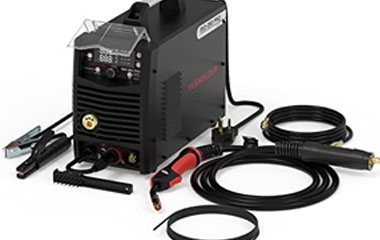
A leading tank fabrication shop will invest in state-of-the-art welding machines designed for heavy industrial applications. Look for evidence of automated welding systems, such as column and boom manipulators for SAW, which significantly enhance efficiency and weld consistency. The availability of diverse machine types, including arc welding machine, resistance welding machine, and high grade energy welding machine, indicates versatility. For specialized projects, the shop might also utilize special welding machine or even plastic welding machine for internal linings or specific components.
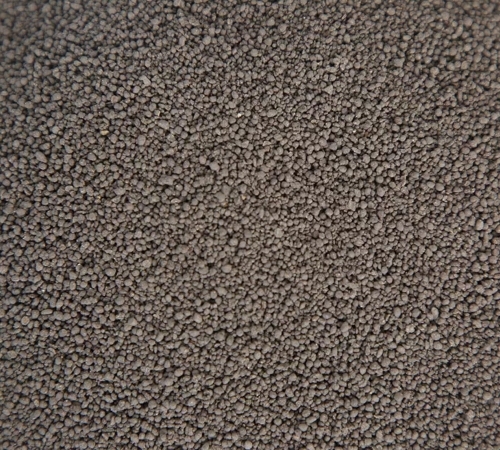
Equally important are the welding consumables. The quality of welding wire, welding rod, and especially welding fluxes directly impacts the integrity and performance of the finished tank. For high-performance applications, Oldwelders ensures the highest standards. Our welding fluxes, for instance, are produced from excellent dolomite, bauxite, cryolite, silica, fluorine ore, and other carefully selected ores, melted at 2000 °C to guarantee superior metallurgical properties. This meticulous process ensures that our fluxes contribute to robust, defect-free welds, critical for robust tank fabrication.
Certifications and Welder Qualifications
Confirm that the shop's welding procedures are qualified to relevant industry standards (e.g., ASME Section IX, AWS D1.1). More importantly, verify that their welders hold current certifications for the specific processes and materials required for your project. A well-trained and certified workforce is a cornerstone of quality output.
Assessing Quality and Capacity for Tank Fabrication
Beyond individual processes, a holistic view of a tank fabrication shop includes its overarching quality management systems and its capacity to handle projects of your scale and complexity. This is where active trust signals become paramount.
Robust Quality Management Systems
A shop's commitment to quality is often reflected in its certifications. Look for ISO 9001 certification, which demonstrates adherence to internationally recognized quality management principles. Oldwelders, for instance, is an ISO 9001 certified manufacturer, underscoring our dedication to consistent quality in our welding products. This level of certification extends beyond just manufacturing; it indicates a systematic approach to process control, continuous improvement, and customer satisfaction—qualities you should seek in your tank fabrication partner.
Insist on detailed Quality Control (QC) and Quality Assurance (QA) plans. These should cover every stage, from raw material inspection to final product testing. A transparent QC/QA process, including hold points and client inspection opportunities, ensures precision in tank fabrication.
Manufacturing Capacity and Scalability
The scale of a tank fabrication facility directly correlates with its ability to handle large or multiple projects simultaneously. A significant trust signal for Oldwelders is our state-of-the-art manufacturing plant, which covers an area of 1000 square meters and houses six production lines. This infrastructure enables us to supply up to 100 tons of product a day, demonstrating substantial capacity to meet demanding schedules for welding consumables and equipment. When evaluating a fabrication shop, inquire about their total square footage, crane capacities, and the number of active production lines. This insight will help you determine if they can manage the volume and size of components your project requires without delays.
Furthermore, consider their minimum order requirements. For welding materials, Oldwelders is flexible, with a Minimum Order Quantity (MOQ) of just 1 ton, allowing us to support various project sizes, from prototypes to full-scale production. This flexibility is a key indicator of a partner's willingness to adapt to diverse client needs. Our commitment to efficiency means we strive for timely delivery of essential welding materials, with some standard orders processed and ready within 30 days, helping to streamline your tank fabrication timeline.
Engineering and Design Capabilities
While often distinct from pure fabrication, a shop with strong in-house engineering capabilities can be invaluable. They can assist with design optimization, material selection, and ensuring compliance with specific codes (e.g., API 650, UL 142). This integrated approach can prevent costly rework and improve project efficiency.
Supply Chain, Logistics, and Global Reach for Tank Fabrication Projects
For complex projects like heavy industrial tank fabrication, a shop's ability to manage its supply chain, coordinate logistics, and operate with global reach is as important as its on-the-floor fabrication capabilities. A seamless process from raw material acquisition to final delivery is crucial for project success.
Supply Chain Management
Inquire about the shop's relationships with raw material suppliers. A stable, diverse supply chain minimizes risks associated with material shortages or price fluctuations. Transparency regarding material traceability, including mill certificates, is also vital for quality assurance. The ability to source high-quality materials consistently and reliably speaks volumes about a fabricator's operational maturity.
Logistics and Shipping Expertise
Large tanks and tank components often require specialized transportation. A seasoned fabrication shop will have experience in coordinating oversized load permits, arranging specialized carriers, and potentially managing international shipping. Their logistical prowess can significantly impact project timelines and costs. Discuss their shipping procedures, insurance, and on-site assembly support if required.
Global Project Experience and Market Understanding
For international clients, a fabricator with experience in diverse global markets can be a significant advantage. Oldwelders, for example, serves key target markets including Brazil, Thailand, Australia, and Malaysia. This global footprint and experience in various regulatory environments means we understand the nuances of international trade and project execution. A fabricator with similar international exposure is better equipped to navigate customs, local regulations, and cultural considerations, ensuring your project meets global standards for tank fabrication.
Their understanding of different regional specifications and compliance requirements can be invaluable, especially when manufacturing for specific geographic locations. This global perspective also often translates into a more adaptable and resilient project execution strategy, vital for complex tank fabrication.
Selecting the Right Partner for Your Tank Fabrication Needs
Choosing a partner for your tank fabrication project goes beyond comparing bids; it's about aligning with a company that offers proven process capability, unwavering quality, and reliable support. Oldwelders stands as a testament to these principles, not as a fabricator of tanks itself, but as a critical enabler for the industry by providing the essential mig-mag-tig welding machine, solid wire, flux-cored wire, and high-quality submerged arc welding flux hj431 that fabricators rely on.
When you assess potential tank fabrication shops, look for clear evidence of their capabilities in each of the areas discussed: core fabrication processes, welding expertise, quality assurance, manufacturing capacity, and supply chain management. Ask for case studies, client references, and arrange site visits to observe their operations firsthand. A truly capable partner will be transparent about their processes, confident in their quality, and eager to demonstrate their commitment to excellence in tank fabrication.
By conducting a thorough evaluation based on these criteria, you can ensure that your chosen tank fabrication partner possesses the necessary technical prowess, operational efficiency, and quality ethos to deliver a successful, long-lasting solution for your industrial needs. This diligent approach will safeguard your investment and contribute significantly to the overall success of your project.