
Estimate SAW Weld Costs for Steel Frames
Accurately Estimating Submerged Arc Welding Costs for Steel Structure Fabrication
For businesses engaged in the fabrication of robust steel structures, precise cost estimation is not merely an administrative task; it is a critical strategic imperative. Submerged Arc Welding (SAW) is a highly efficient process frequently chosen for its speed and ability to produce high-quality welds on thick sections of steel, making it ideal for structural applications. Understanding the multifaceted components that contribute to the overall cost of a welding machine operation is essential for competitive bidding, project profitability, and effective resource management. This comprehensive guide aims to equip estimators and production buyers with the knowledge to accurately forecast expenses related to welding materials, equipment, labor, and overhead, specifically for welding fluxes in steel structure SAW projects.
Oldwelders, an ISO 9001 certified manufacturer and supplier, understands these challenges. Our commitment to quality and efficiency is reflected in our processes, from the selection of excellent raw materials like dolomite, bauxite, cryolite, silica, and fluorine ore, which are melted at 2000 °C for our flux products, to our extensive production capabilities. With a plant covering an area of 1000 square meters and housing six production lines, we can supply up to 100 tons of flux products daily, ensuring reliable sourcing for your projects whether you are based in Brazil, Thailand, Australia, or Malaysia.
Understanding the Core Components of Steel Structure SAW Costs
Estimating the total cost for any Steel Structure SAW project requires a meticulous breakdown of several key factors. These categories are interdependent, and variations in one can significantly impact the others. A holistic approach ensures that no hidden costs surprise you later in the project lifecycle. The primary cost drivers include consumables, equipment, labor, and overheads. Each of these elements needs to be quantified with precision, accounting for project-specific variables such as weld length, material thickness, joint configuration, and quality requirements.
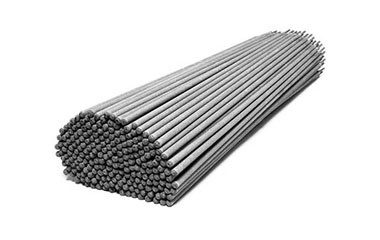
Consumables, which encompass welding wire and welding fluxes, represent a direct and often substantial portion of welding costs. The selection of these materials directly influences weld quality, deposition rates, and ultimately, the efficiency of the welding process. Oldwelders specializes in providing high-quality welding wire and welding fluxes engineered for optimal performance in demanding applications, including those involving steel structure SAW. Our flux products, crafted from carefully selected raw materials, are designed to deliver superior metallurgical properties and excellent arc stability, reducing rework and ensuring consistent results. For many of our products, the minimum order quantity (MOQ) is set at 1 ton, facilitating procurement for various project scales.
Equipment costs involve not only the initial capital expenditure for the welding machine itself but also ongoing maintenance, power consumption, and depreciation. The type and sophistication of the SAW equipment chosen will have a direct bearing on productivity and operational expenses. Labor costs are associated with the skilled welders and support staff required to operate the machinery, prepare materials, and perform post-weld inspection. Finally, overheads cover all indirect expenses, such as factory space, utilities, administrative support, and quality control measures. By systematically analyzing each of these components, businesses can formulate accurate and competitive bids for their steel structure fabrication projects.
Quantifying Consumable Costs for Submerged Arc Welding
Consumables form the backbone of any welding operation, and their cost can fluctuate significantly based on material specifications, quantity, and supplier. For Submerged Arc Welding, the two primary consumables are the welding wire and the welding flux. Both play crucial roles in determining weld quality, mechanical properties, and overall process efficiency. Understanding how to quantify these costs precisely is paramount for accurate project budgeting.
Welding Wire Selection and Cost Calculation
The choice of welding wire depends on the base material, desired mechanical properties, and specific application. Factors like wire diameter, chemical composition, and tensile strength are critical. Generally, larger diameter wires allow for higher deposition rates, which can reduce welding time, but also require more powerful welding machines. To calculate wire consumption, you need to consider the deposition efficiency of the wire, the volume of the weld joint, and the density of the deposited metal. For instance, a common calculation involves estimating the weight of wire per unit length of weld, which can then be multiplied by the total weld length for the project. Oldwelders offers a comprehensive range of solid wire and flux-cored wire suitable for various steel structure applications, ensuring you find the right material for optimal performance and cost-effectiveness.
Welding Flux Types and Their Impact on Cost
Welding flux is equally critical in SAW, providing shielding, arc stabilization, and influencing weld bead shape and mechanical properties. Fluxes are typically granular and are categorized by their chemical composition and manufacturing method (e.g., agglomerated, fused). The cost of flux can vary based on its type, specific performance characteristics, and the quantity purchased. Estimating flux consumption involves considering the flux-to-wire ratio, which is specific to the chosen flux and wire combination. A typical ratio might be 1:1 or 1.2:1 (flux to wire by weight), though this can vary. Oldwelders prides itself on producing high-quality submerged arc welding flux hj431 and other specialized fluxes, manufactured from excellent dolomite, bauxite, cryolite, silica, and fluorine ore, melted at 2000 °C to ensure superior performance. Our impressive production capacity of 100 tons per day for flux products from our 1000 square meter plant with six production lines means we can consistently meet the demands of large-scale projects, offering reliable supply to clients globally.
When calculating consumable costs, it is advisable to factor in a small percentage for waste and spatter, as not all material will be perfectly deposited. Engaging with a reputable supplier like Oldwelders allows you to leverage their expertise in material selection and bulk purchasing options, potentially leading to more favorable pricing and optimized material usage.
Equipment and Operational Expenses in Steel Structure SAW
Beyond consumables, the operational backbone of any Submerged Arc Welding project lies in its equipment and the associated running costs. These expenses, while sometimes less visible than material costs, can significantly impact the overall profitability of a steel structure SAW fabrication job. A thorough understanding of these factors is crucial for accurate bidding and long-term financial planning.
Capital Investment in Welding Equipment
The initial purchase of a welding machine for SAW represents a significant capital outlay. These machines vary widely in capability, from manual or semi-automatic systems to fully automatic welding machine setups designed for high-volume production. Factors influencing the capital cost include the power source capacity, automation features (e.g., seam tracking, flux recovery systems), and the brand. While higher-end machines come with a larger upfront cost, they often offer superior efficiency, higher deposition rates, and precise control, which can lead to lower per-unit welding costs over time. Oldwelders provides a diverse range of welding machines, including advanced mig-mag-tig welding machine options, ensuring that businesses can select equipment perfectly suited to their specific steel structure SAW requirements and budget.
Ongoing Operational Expenses
Once the equipment is acquired, several ongoing operational expenses come into play:
- Power Consumption: SAW machines are powerful and consume substantial electricity. The cost of electricity, especially for high-amperage, continuous operations, must be accurately estimated. Energy efficiency ratings of the welding machine should be considered.
- Maintenance and Spare Parts: Regular maintenance is essential to ensure optimal performance and extend the lifespan of SAW equipment. This includes routine servicing, calibration, and the replacement of wear parts such as contact tips, nozzles, and flux recovery components. Unscheduled downtime due to equipment failure can lead to significant project delays and increased costs.
- Depreciation: Welding equipment, like all machinery, depreciates over time. This non-cash expense should be accounted for in long-term cost models, reflecting the gradual loss of value and the need for eventual replacement or upgrade.
- Consumable Handling and Recovery: While flux is a consumable, the systems for storing, delivering, and recovering unused flux also incur operational costs. Efficient flux recovery systems can reduce waste and improve cost-effectiveness, particularly in large-scale steel structure SAW operations.
By thoroughly evaluating these equipment and operational expenses, businesses can develop a more accurate financial picture for their welding projects, avoiding unexpected costs and ensuring competitive pricing for their services.
Labor and Overhead Considerations for Steel Structure SAW Projects
Beyond the direct costs of materials and equipment, labor and overhead expenses represent significant components in the overall cost structure of any Steel Structure SAW project. These indirect costs, while sometimes harder to quantify, are crucial for accurate project estimation and ensuring profitability. Overlooking or underestimating these factors can lead to significant financial discrepancies.
Skilled Labor Costs in SAW Operations
Submerged Arc Welding, particularly in complex steel structure fabrication, requires skilled operators. Labor costs are determined by several factors:
- Hourly Wages and Benefits: The base hourly rate for skilled welders and welding technicians, along with benefits such as health insurance, retirement contributions, and payroll taxes, constitutes a major portion of labor costs. These rates can vary significantly by region and the level of expertise required.
- Setup and Fixturing Time: Before any welding can commence, significant time is often spent on preparing the workpiece, setting up the SAW equipment, and ensuring proper fixturing. This non-welding time must be factored into labor costs. For intricate steel structures, setup can be complex and time-consuming.
- Inspection and Quality Control: Post-weld inspection, including visual inspection, non-destructive testing (NDT), and dimensional checks, requires skilled personnel. Ensuring welds meet stringent quality standards is critical, especially for load-bearing steel structures. Oldwelders' commitment to quality, backed by our ISO 9001 certification, provides an assurance of process integrity that helps minimize rework and associated inspection costs for our clients.
- Training and Certifications: Investing in ongoing training and certifications for welding personnel is vital for maintaining high standards and adapting to new technologies. These costs, while indirect, contribute to the overall quality and efficiency of the workforce.
Efficient labor utilization, achieved through optimized welding procedures and well-maintained equipment, is key to controlling these expenses.
Allocating Overhead Costs
Overhead costs encompass all indirect expenses necessary to run a welding facility and support SAW operations. These are not directly attributable to a single weld but are essential for the business's functioning:
- Facility Costs: Rent or mortgage payments, property taxes, insurance, and maintenance for the factory space (such as Oldwelders' 1000 square meter plant) are significant overheads.
- Utilities: Electricity for lighting, heating, ventilation, and general factory operations (beyond direct welding machine power), as well as water and gas, fall under this category.
- Administrative and Support Staff: Salaries for administrative personnel, sales and marketing teams, logistics, and management contribute to overhead.
- Quality Assurance and R&D: Costs associated with maintaining quality systems, research and development for new products or processes, and compliance with industry standards.
- General Business Expenses: Software licenses, office supplies, legal fees, and other general operational costs.
Allocating overhead costs accurately to individual projects can be complex. Common methods include allocating based on direct labor hours, machine hours, or material costs. The chosen method should reflect the true drivers of overhead in your specific operation. By carefully considering both labor and overhead, estimators can build a more robust and realistic cost model for their steel structure SAW projects, fostering greater financial predictability and competitiveness.

Optimizing Cost Efficiency and Supplier Partnerships for Steel Structure SAW
Achieving cost efficiency in Submerged Arc Welding for steel structures is not solely about minimizing individual expenses; it involves a strategic approach to process optimization and forging strong partnerships with reliable suppliers. By focusing on these areas, businesses can significantly reduce their overall project costs while maintaining or even enhancing weld quality and operational reliability.
Strategies for Process Optimization
Optimizing the welding process itself can yield substantial cost savings. This includes:
- Parameter Optimization: Fine-tuning welding parameters such as current, voltage, travel speed, and wire feed speed to maximize deposition rates and minimize weld defects. Higher deposition rates mean less welding time, directly reducing labor and equipment operational costs.
- Joint Design: Optimizing joint preparation to minimize the amount of weld metal required. Efficient joint designs can reduce consumable consumption without compromising structural integrity.
- Automation and Robotics: Investing in advanced automatic welding machine and robotic SAW systems can lead to increased consistency, higher speeds, and reduced reliance on manual labor, especially for repetitive tasks in large-scale steel structure fabrication.
- Material Handling: Streamlining material flow and reducing handling time contributes to overall efficiency. This includes efficient storage of welding consumables and quick positioning of workpieces.
- Quality Control: Implementing rigorous quality control measures from the outset helps to prevent defects that would otherwise require costly rework, material waste, and project delays. Oldwelders' ISO 9001 certification is a testament to our commitment to quality processes, which directly benefits our customers by reducing their risk of encountering substandard materials.
The Value of Strategic Supplier Partnerships
Choosing the right supplier for your welding needs is a critical strategic decision that impacts not only material costs but also project timelines and overall operational efficiency. A strong partnership with a knowledgeable and reliable supplier like Oldwelders offers numerous benefits:
- Consistent Quality: Access to consistently high-quality welding consumables, such as welding wire and welding fluxes, directly impacts weld integrity and reduces the likelihood of defects. Oldwelders produces its flux products from excellent dolomite, bauxite, cryolite, silica, and fluorine ore, melted at 2000 °C, ensuring superior performance for your steel structure SAW applications.
- Reliable Supply Chain: A supplier with robust production capabilities and efficient logistics ensures materials are available when needed, preventing costly project delays. Our plant, covering an area of 1000 square meters and featuring six production lines, boasts a daily capacity of 100 tons for flux products, allowing us to maintain a consistent supply. While lead times can vary per order, we generally aim for a 30-day turnaround for many product categories.
- Technical Support and Expertise: Reputable suppliers offer technical assistance in selecting the most appropriate consumables and optimizing welding procedures, which can lead to significant savings and improved weld performance.
- Competitive Pricing: Through long-term relationships and potentially bulk purchasing options (our MOQ is 1 ton for many products), businesses can secure more favorable pricing for their welding materials and equipment.
- Global Reach: For companies operating internationally, partnering with a supplier that has experience serving diverse markets, such as Oldwelders' presence in Brazil, Thailand, Australia, and Malaysia, can simplify logistics and ensure consistent product availability across different regions.
By actively pursuing process optimization and carefully selecting strategic supplier partners, businesses can effectively manage and reduce the total cost of their steel structure SAW projects, enhancing their competitive edge in the fabrication industry.
Conclusion: Mastering Cost Estimation for Your Steel Structure SAW Projects
Accurate cost estimation for Submerged Arc Welding in steel structure fabrication is a cornerstone of successful project management and sustainable business growth. It demands a holistic understanding of direct and indirect expenses, from the precise quantification of consumables and the analysis of equipment operational costs to the careful consideration of labor and overheads. By meticulously breaking down each component, businesses can develop robust financial models that inform competitive bidding and ensure profitable project execution.
Oldwelders stands as a committed partner in this endeavor, offering a comprehensive range of high-quality welding rod, welding wire, welding machines, and welding fluxes designed for the rigorous demands of steel structure SAW. Our ISO 9001 certification underscores our dedication to quality and consistent manufacturing processes. With a substantial production capacity of 100 tons of flux products daily from our 1000 square meter facility and a general 30-day lead time, we are equipped to support projects of all scales, providing reliable supply to our valued clients across target markets including Brazil, Thailand, Australia, and Malaysia.
By leveraging advanced welding technologies, optimizing operational processes, and forming strategic partnerships with trusted suppliers, you can not only estimate costs more accurately but also drive efficiencies that enhance your bottom line. We invite you to explore Oldwelders' extensive product offerings and discover how our commitment to quality and service can contribute to the success of your next steel structure SAW project.