
Wind Tower Welding: Calculate Line Cost per Section
Calculating the Line Cost Per Section for Efficient Wind Tower Welding
In the rapidly expanding global wind energy sector, the efficiency and cost-effectiveness of manufacturing processes are paramount. For plant directors and procurement teams, understanding the true cost per section for wind tower welding operations is not just good practice; it is critical for successful project budgeting, operational optimization, and securing a competitive edge. This article provides a comprehensive framework for calculating the line cost per section, highlighting key variables and demonstrating how strategic choices in equipment and materials can significantly impact your bottom line.
The demand for precise cost modeling stems from the need to justify investments in new welding lines or automation upgrades. While claims of faster production, increased factory capacity, and lower Levelized Cost of Energy (LCOE) are often made, a transparent economic model that breaks down costs to a section level is essential. Oldwelders is committed to partnering with you to achieve these efficiencies, offering a range of advanced welding solutions tailored to the exacting demands of wind tower manufacturing.
Understanding the Core Components of Wind Tower Welding Costs
To accurately calculate the cost per section, it is vital to identify and categorize all associated expenses. These can broadly be divided into initial investment costs and ongoing operational costs. A holistic view ensures no hidden expenses erode profitability.
Initial Investment Costs
- Welding Equipment & Automation: This includes the purchase of specialized automatic welding machine systems, manipulators, positioners, and any associated automation software and hardware. The scale and sophistication of your setup directly influence this cost.
- Facility & Infrastructure: Costs related to setting up or upgrading the welding area, including power infrastructure, ventilation systems, and safety installations.
- Installation & Commissioning: Expenses for professional installation, calibration, and testing of new welding lines to ensure optimal performance.
- Training: Investment in training personnel to operate and maintain new equipment efficiently and safely.
Ongoing Operational Costs
- Consumables: This category encompasses all materials directly consumed during the welding process. This includes welding materials such as solid wire, flux-cored wire, electrode, and welding fluxes. The quality and type of these materials significantly impact both cost and weld integrity.
- Labor: Wages and benefits for skilled welders, operators, technicians, and supervisory staff involved in the welding line operation.
- Energy: Power consumption for welding machines, automation systems, lighting, and environmental controls.
- Maintenance & Spare Parts: Regular servicing, preventative maintenance, and replacement of wear-and-tear parts to ensure continuous operation and minimize downtime.
- Overhead: Indirect costs such as facility rent or depreciation, administrative salaries, insurance, and quality control expenses.
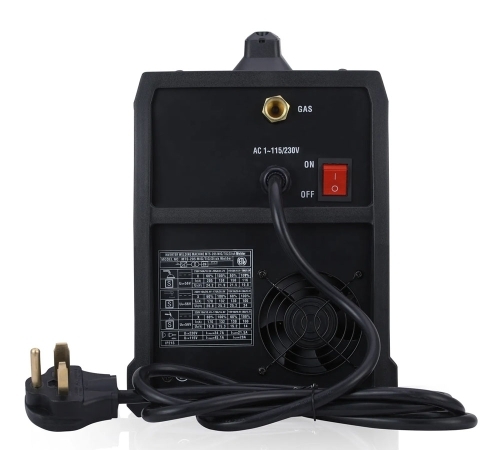
Oldwelders understands these cost drivers intimately. Our comprehensive product range, from robust mig-mag-tig welding machine options to specialized submerged arc welding flux hj431, is designed to offer both performance and cost-efficiency. Our commitment to quality is underscored by our ISO 9001 certification, ensuring that every product you procure meets stringent international standards, thereby reducing the risk of costly rework and material waste.
Key Variables Influencing Per-Section Cost Calculation
Several critical variables directly affect the final cost per wind tower section. Optimizing these factors is key to achieving cost-effective production.
Level of Automation
Automation in automatic welding machine systems can drastically reduce labor costs and increase production speed and consistency. While the upfront investment is higher, the long-term savings from reduced manual labor, higher quality welds, and faster throughput often yield a significant return on investment. The choice between semi-automatic and fully automated lines will heavily influence your per-section cost.
Material Quality and Consumables Efficiency
The quality of your welding materials directly impacts weld integrity, reducing the need for costly rework. High-quality welding fluxes, for instance, contribute to smoother welds, minimal spatter, and improved mechanical properties. At Oldwelders, we pride ourselves on the excellence of our flux products; their raw materials, including superior dolomite, bauxite, cryolite, silica, and fluorine ore, are melted at 2000 °C to ensure unparalleled purity and performance. Choosing efficient consumables also means less waste and optimal material utilization, directly lowering the variable cost per section.
Production Speed and Throughput
The rate at which your welding line can complete each section is a primary determinant of cost efficiency. Faster production, without compromising quality, means spreading fixed costs over a greater number of units. This is where advanced high grade energy welding machine technology and efficient workflow management become invaluable. Our extensive manufacturing capabilities, supported by a plant covering an area of 1000 square meters with six production lines, enable us to supply up to 100 tons of product a day, supporting your high-volume production needs.
Maintenance and Downtime
Unscheduled downtime due to equipment failure can severely inflate per-section costs. A robust preventative maintenance program and the availability of reliable spare parts are crucial. Investing in durable, high-quality welding machine and welding accessories from trusted suppliers like Oldwelders minimizes these risks, ensuring consistent uptime for your wind tower welding operations.
A Practical Framework for Calculating Your Wind Tower Welding Line Cost Per Section
To establish a clear understanding of your expenses, follow this step-by-step calculation framework:
Step 1: Calculate Annualized Fixed Costs
Begin by summing all fixed costs that do not vary with the number of sections produced over a year. These typically include:
- Equipment Depreciation: Determine the annual depreciation of your welding machines and automation systems.
- Facility Costs: Annual rent, property taxes, insurance, and utilities that are fixed regardless of production volume.
- Fixed Salaries: Wages for management, administrative staff, and any core technical staff whose numbers do not fluctuate with immediate production levels.
- Annual Maintenance Contracts: Costs for scheduled preventative maintenance.
Total Annual Fixed Costs (TAFC) = Sum of all annual fixed expenses.
Step 2: Determine Annual Production Capacity
Estimate the number of wind tower sections your welding line can realistically produce in a year, accounting for operational hours, shifts, planned maintenance, and expected efficiency. This is your Annual Production Volume (APV).
Step 3: Calculate Fixed Cost Per Section
Divide the total annualized fixed costs by your annual production volume:
Fixed Cost Per Section (FCPS) = TAFC / APV
Step 4: Calculate Variable Costs Per Section
These costs fluctuate directly with the number of sections produced. For each section, estimate the following:
- Consumables Cost: Calculate the exact quantity and cost of welding materials (wire, rod, flux, shielding gas) required for one section. For example, the precise amount of submerged arc welding flux hj431 needed.
- Direct Labor Cost: The labor hours required to weld one section multiplied by the hourly labor rate.
- Energy Cost: Estimate the power consumption attributable to welding one section.
- Variable Maintenance & Repairs: Costs for repairs that are directly proportional to usage.
Total Variable Cost Per Section (VCPS) = Sum of all variable expenses for one section.
Step 5: Calculate Total Line Cost Per Section
Finally, add the fixed cost per section and the variable cost per section:
Total Cost Per Section = FCPS + VCPS
This detailed calculation provides a clear baseline. Procurement teams can use this model to evaluate the impact of different material choices—for instance, comparing the total cost implications of various welding materials or welding fluxes. Plant directors can assess how investments in automation or efficiency improvements will reduce the FCPS or VCPS over time, ultimately lowering the overall cost per finished wind tower section.
Optimizing Your Wind Tower Welding Operations with Oldwelders
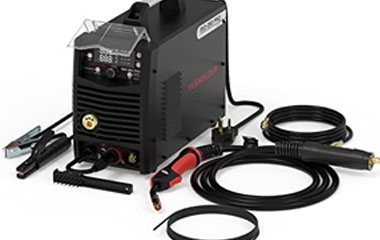
Oldwelders is more than just a supplier; we are a strategic partner dedicated to enhancing the profitability and efficiency of your wind tower welding projects. Our extensive product portfolio includes state-of-the-art automatic welding machine, a wide array of high-performance welding materials, and specialized welding fluxes designed to meet the rigorous demands of large-scale structural welding.
Reliable Supply Chain and Global Reach
With a comprehensive supply chain and efficient logistics, we offer a typical lead time of just 30 days for orders, ensuring your production lines remain operational without costly delays. Our minimum order quantity (MOQ) of 1 ton makes our high-quality products accessible for projects of varying scales. We proudly serve key global markets, including Brazil, Thailand, Austrilia, and Malaysia, understanding the unique regional requirements and logistical challenges of each.
Quality Assurance and Manufacturing Excellence
Our commitment to quality is embedded in every aspect of our operations, from raw material sourcing to final product delivery. Our ISO 9001 certification stands as a testament to our robust quality management systems. Our manufacturing facility, spanning 1000 square meters and housing six advanced production lines, boasts a daily supply capacity of 100 tons. This scale allows us to consistently meet substantial demand while maintaining the highest standards for our welding fluxes and other products.
Expert Support and Custom Solutions
Beyond our product offerings, Oldwelders provides expert technical support to help you select the most appropriate welding solutions for your specific applications. Whether you need advice on optimizing your aws e6013 welding electrodes usage or integrating a new special welding machine, our knowledgeable team is here to assist. By choosing Oldwelders, you gain a partner dedicated to driving down your per-section costs and enhancing your overall operational efficiency.
Conclusion
Accurately calculating the line cost per section is a foundational step towards optimizing your wind tower manufacturing processes. By meticulously accounting for both fixed and variable costs, and by strategically managing key variables like automation, material quality, and production efficiency, you can unlock significant cost savings and improve profitability. Oldwelders stands ready as your trusted partner, providing the high-quality welding machine, welding materials, and expert support necessary to achieve your operational goals. Contact us today to learn how our solutions can empower your next wind tower welding project.