
How to Choose a Flux Manufacturer for Welding?
How to Choose a Flux Manufacturer for Welding?
Selecting the right welding fluxes is paramount for achieving high-quality welds, ensuring operational efficiency, and maintaining project timelines. For procurement teams tasked with sourcing these critical materials, the decision extends beyond mere product specifications. It involves a thorough evaluation of the supplier itself. The challenge lies in identifying a reliable and capable Flux Manufacturer that can consistently meet your demands, especially for large-scale or international projects.
This comprehensive guide will walk you through the essential criteria for vetting potential suppliers, focusing on aspects that ensure quality, consistency, and a strong partnership. By understanding what to look for, you can streamline your procurement process, mitigate risks, and secure a supply chain that supports your long-term success.
Understanding Your Welding Flux Needs
Before you even begin evaluating potential suppliers, it is crucial to have a precise understanding of your own requirements. Welding fluxes are not one-size-fits-all; they vary significantly across different welding processes and applications. Your specific projects might demand specialized properties, whether for submerged arc welding flux, specific welding materials, or other industrial uses.
Define Your Application Requirements
Consider the type of base metals you will be joining, the welding position, desired mechanical properties of the weld, and environmental conditions. Are you working with mild steel, stainless steel, or specialized alloys? Do you require low hydrogen content, excellent slag detachability, or specific penetration characteristics? Clearly outlining these technical specifications will narrow down your search and help you communicate effectively with prospective manufacturers.
Volume and Consistency
Assess your expected consumption volume. Do you need a continuous supply for large production runs, or smaller batches for specialized projects? A robust welding machine operation demands consistent flux quality and availability. Understanding your volume needs will help in evaluating a manufacturer's capacity and their ability to scale with your operations. For instance, if your projects require a substantial and steady supply, partnering with a manufacturer that boasts high daily production capabilities becomes a priority.
Compliance and Certifications
Ensure that the fluxes comply with relevant industry standards (e.g., AWS, EN). Depending on your industry, additional certifications or specific material safety data sheets (MSDS) might be necessary. A reputable Flux Manufacturer will have these readily available, demonstrating their commitment to quality and regulatory adherence. This initial internal assessment forms the bedrock upon which you can build a successful supplier evaluation strategy.
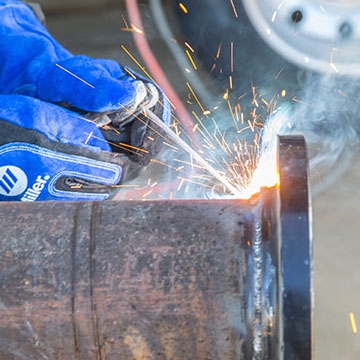
Evaluating a Flux Manufacturer's Production Capabilities and Quality
Once you have a clear understanding of your needs, the next step is to scrutinize the capabilities and quality assurance processes of potential welding fluxes suppliers. This involves looking beyond marketing claims to concrete evidence of operational excellence and product reliability. A truly professional Flux Manufacturer will be transparent about their facilities and quality control measures.
Manufacturing Infrastructure and Capacity
A key indicator of a manufacturer's reliability is their production infrastructure. Look for details on their factory size, number of production lines, and overall output capacity. For example, a plant covering an area of 1000 square meters and featuring six production lines demonstrates significant operational scale. Such a facility, capable of supplying 100 tons of flux daily, indicates a strong ability to handle large orders and maintain consistent supply, reducing the risk of delays for your projects.
Furthermore, understanding the raw materials and manufacturing process is crucial. Manufacturers who utilize excellent dolomite, bauxite, cryolite, silica, fluorine ore, and other quality ores, melted at precise temperatures like 2000 °C, are likely to produce superior products. This meticulous approach to raw material selection and processing directly impacts the final flux performance and consistency.
Quality Management Systems and Certifications
A non-negotiable requirement for any serious procurement team is evidence of a robust quality management system. The ISO 9001 certification is an international standard that signifies a company's commitment to quality and continuous improvement. Partnering with an ISO 9001 certified Flux Manufacturer provides assurance that their processes are systematically managed and their products consistently meet defined quality criteria. Request documentation and inquire about their internal quality control procedures, including raw material inspection, in-process testing, and final product analysis.
Research and Development (R&D)
A forward-thinking manufacturer invests in R&D to innovate and improve their product lines. This commitment ensures they can offer cutting-edge solutions and adapt to evolving industry demands and new mig-mag-tig welding machine technologies. Inquire about their R&D initiatives, new product developments, and how they address specific customer challenges. This indicates a partner who is not just a supplier, but a contributor to your long-term success.
Minimum Order Quantity (MOQ)
For efficient inventory management and cost control, understanding a manufacturer's MOQ is vital. Some manufacturers might require very large orders, which may not suit all businesses. Finding a supplier with a flexible MOQ, such as 1 ton, can be highly beneficial, allowing you to manage your stock more effectively without over-committing to excessive inventory. This flexibility is especially valuable for businesses with varying project sizes or those exploring new welding materials or applications.
Assessing Logistics, Service, and Market Reach
Beyond product quality and manufacturing prowess, the logistical capabilities and customer service of a Flux Manufacturer play a critical role in ensuring a smooth and efficient supply chain. For international procurement, these aspects are often as important as the product itself.
Lead Times and Delivery Reliability
Timely delivery is crucial for project continuity. Inquire about standard lead times for typical orders. A manufacturer capable of fulfilling orders within a reasonable timeframe, such as 30 days, demonstrates efficient production and logistics management. Discuss their contingency plans for unexpected delays and how they communicate potential issues. Reliability in delivery directly impacts your project scheduling and operational costs.
Export Experience and Global Reach
For procurement teams operating on an international scale, partnering with a manufacturer experienced in global exports is essential. Such a partner understands the complexities of international shipping, customs regulations, and documentation. Look for suppliers who have established market presence in key regions. For instance, a manufacturer actively serving markets like Brazil, Thailand, Australia, and Malaysia demonstrates proven capability in navigating diverse international trade environments. This experience ensures smoother transactions and reduces logistical headaches for your business.
Customer Service and Technical Support
A reliable supplier offers excellent pre-sales and post-sales support. This includes providing technical assistance in selecting the right flux for your application, troubleshooting any issues that arise, and responding promptly to inquiries. Assess their responsiveness and willingness to collaborate. A strong relationship with your manufacturer means having access to their expertise when you need it most, whether for selecting a specific aws e6013 welding electrodes or optimizing your welding process.
Packaging and Storage Solutions
Welding fluxes need appropriate packaging to maintain their integrity during transit and storage. Discuss the packaging options available and how they ensure product quality upon arrival. Consider bulk options versus smaller units, and ensure the packaging is suitable for your storage facilities and handling procedures.
The Value of Partnership and Continuous Improvement
Choosing a Flux Manufacturer should not be viewed as a one-off transaction but rather the beginning of a strategic partnership. A manufacturer committed to continuous improvement and long-term collaboration can bring significant value to your operations.
Commitment to Innovation
The welding industry is constantly evolving with new technologies and materials. A manufacturer that consistently invests in innovation, whether through developing new flux formulations or improving existing ones, demonstrates a commitment to staying at the forefront of the industry. This proactive approach ensures that you will always have access to the best and most efficient welding solutions available.
Sustainability Practices
Increasingly, businesses are prioritizing sustainability in their supply chains. Inquire about the manufacturer's environmental policies, waste management practices, and energy efficiency initiatives. Partnering with an environmentally responsible supplier can enhance your own corporate social responsibility profile and contribute to a more sustainable future.
Flexibility and Adaptability
Market conditions and project requirements can change rapidly. A flexible and adaptable manufacturer can adjust to these changes, whether it involves modifying order volumes, expediting shipments, or developing custom solutions. This agility is invaluable in maintaining operational efficiency and responding to unforeseen challenges effectively. For instance, if you require a specific type of welding fluxes for a niche application, a flexible supplier will work with you to meet that need.
Long-Term Vision
A true partner shares your long-term vision for growth and success. They are interested in understanding your business objectives and how their products and services can contribute to those goals. This goes beyond simply selling products; it's about building a relationship based on mutual trust and benefit.
Conclusion
The process of selecting a reliable Flux Manufacturer is a critical decision that impacts the quality, efficiency, and cost-effectiveness of your welding operations. By systematically evaluating potential suppliers based on their production capabilities, quality management, logistical efficiency, and commitment to partnership, procurement teams can make informed choices.
Focus on manufacturers who demonstrate robust infrastructure, such as a plant covering 1000 square meters with six production lines and a daily capacity of 100 tons, utilizing premium raw materials melted at 2000 °C. Prioritize those with an ISO 9001 certification, clear lead times like 30 days, and a proven track record in international markets including Brazil, Thailand, Australia, and Malaysia, with a flexible MOQ of 1 ton. By following these guidelines, you can secure a partner that not only supplies high-quality welding fluxes but also contributes significantly to your overall operational success.
===BODY===