
Verify Flux Manufacturer Batch Consistency for Quality
Verify Flux Manufacturer Batch Consistency for Optimal Welding Performance
In the demanding world of industrial welding, the quality and consistency of every component are critical. Among these, welding fluxes play an indispensable role in shielding the weld pool, stabilizing the arc, and influencing the mechanical properties of the final weld. However, even with initial product approval, maintaining consistent quality across multiple batches from a flux manufacturer is a persistent challenge for technical buyers and quality managers. Inconsistent flux can lead to costly rework, rejected parts, and compromised structural integrity. Choosing a reliable flux manufacturer is paramount to mitigating these risks and ensuring predictable, high-performance welding operations.
This article delves into the essential considerations for verifying batch consistency from your flux supplier, offering practical insights that go beyond standard product literature. We will explore the critical factors to assess, the questions to ask, and how a commitment to stringent quality control, like that upheld by Oldwelders, contributes to unwavering product reliability.
The Criticality of Flux Consistency in Welding Operations
Welding fluxes are complex chemical formulations designed to perform specific functions during the welding process. Their performance is highly sensitive to variations in chemical composition, physical properties, and particle size distribution. Any deviation from the established specifications can have a detrimental ripple effect across the entire welding operation, impacting both efficiency and the integrity of the final product.
Impact on Weld Quality and Performance
- Mechanical Properties: Inconsistent flux chemistry can alter the tensile strength, ductility, and toughness of the weld metal, potentially leading to brittle welds or those prone to cracking under stress.
- Arc Stability: Variations in flux composition can affect arc stability, leading to erratic arc behavior, spatter, and poor bead appearance. This directly impacts operator efficiency and the aesthetic quality of the weld.
- Slag Removal: The ability of the slag to detach easily after welding is crucial for productivity. Inconsistent flux can result in tenacious slag that requires excessive post-weld cleaning, thereby increasing labor costs and downtime.
- Defect Formation: Batch variations can contribute to common welding defects such as porosity, inclusions, and lack of fusion. These defects necessitate costly repairs or, in severe cases, the complete rejection of fabricated components.
Operational and Economic Consequences
Beyond the direct impact on weld quality, inconsistent flux batches introduce significant operational and economic repercussions:
- Increased Rework and Scrap: Each defect requires rework, consuming valuable production time and resources. High defect rates lead to increased scrap, representing a direct loss of material and manufacturing effort.
- Lost Productivity: Operators spending more time troubleshooting, cleaning, or re-welding due to flux inconsistencies reduce overall productivity and throughput.
- Supply Chain Disruptions: Unreliable flux supply can halt production lines, leading to missed deadlines and potential penalties from clients.
- Reputational Damage: Consistently delivering products with compromised weld quality can severely damage a company's reputation and client trust.
Understanding these profound impacts underscores the absolute necessity of partnering with a flux manufacturer that prioritizes and consistently delivers batch reliability.
Key Indicators of a Reliable Flux Manufacturer
To ensure consistent quality, technical buyers and quality managers must look beyond basic product specifications. A leading flux manufacturer understands that batch consistency is built into every stage of their operations, from raw material sourcing to final product testing. Here are the critical indicators to evaluate:
Comprehensive Quality Management Systems and Certifications
A fundamental requirement for any trusted supplier is a robust quality management system. Oldwelders proudly maintains ISO 9001 certification, demonstrating our commitment to internationally recognized standards for quality management. This certification is not merely a formality; it signifies a structured approach to processes, documentation, and continuous improvement, all of which are vital for maintaining batch-to-batch consistency. It assures buyers that the manufacturer has established procedures for monitoring and controlling quality throughout their operations.
Stringent Raw Material Sourcing and Control
The quality of the final flux product begins with its raw materials. A reputable flux manufacturer implements strict controls over the sourcing and inspection of incoming materials. For Oldwelders, the raw materials for our flux products—such as excellent dolomite, bauxite, cryolite, silica, and fluorine ore—are carefully selected. These materials undergo rigorous quality checks before being melted at precise temperatures, often reaching 2000 °C, to create the foundational components of our high-performance fluxes. This meticulous attention to raw material quality eliminates a primary source of variation in the finished product.
Advanced Production Processes and Technology
The manufacturing process itself is a critical determinant of consistency. A modern flux manufacturer leverages advanced production lines and process controls to minimize variability. Oldwelders operates a state-of-the-art plant covering an area of 1000 square meters, equipped with six production lines. This significant capacity, capable of supplying 100 tons a day, is managed by sophisticated systems that ensure precise blending, granulation, and drying of fluxes. Automated processes reduce human error and facilitate tighter control over particle size distribution and chemical homogeneity, directly contributing to consistent batch quality. Our minimum order quantity (MOQ) is 1 ton, and typical lead times are 30 days, reflecting efficient production planning and execution.
Robust In-Process and Final Product Testing
Consistent quality is not just about preventing issues; it's also about verifying that standards are met at every stage. A reliable flux manufacturer conducts extensive in-process testing to monitor critical parameters during production. Furthermore, every finished batch undergoes comprehensive final product testing. This includes chemical analysis, physical property assessments (e.g., bulk density, flow rate), and actual welding performance tests. Such rigorous testing ensures that each batch meets the specified performance criteria before shipment, providing an additional layer of assurance for buyers.
What to Ask Your Flux Manufacturer About Batch Control
Beyond initial samples, a responsible flux manufacturer provides transparency into their quality control processes. Technical buyers and quality managers should actively engage with potential suppliers and inquire about specific proof points related to batch consistency. Here are key questions and areas to investigate:
Documentation and Data Transparency
- Certificates of Analysis (COAs): Request detailed COAs for each batch, outlining the chemical composition, physical properties, and any relevant performance metrics. Compare these against your approved specifications and previous batches to identify deviations.
- Statistical Process Control (SPC) Data: Inquire about the manufacturer's use of SPC. Can they provide control charts or data demonstrating that their production parameters remain within statistical control limits over time? This provides objective evidence of process stability.
- Traceability Systems: How does the manufacturer track each batch from raw materials to the finished product? A robust traceability system allows for quick identification of root causes if an issue arises with a specific batch, minimizing future risks.
Sample Retention and Analysis Policies
A proactive flux manufacturer retains samples from every production batch for a specified period. Ask about:
- Sample Retention Period: How long are batch samples retained? A longer retention period allows for post-shipment analysis if a performance issue arises in the field.
- Reference Samples: Can the manufacturer provide a reference sample from the original approved batch for comparison against current production batches? This is invaluable for visual and performance comparisons.
- Comparative Testing: If a discrepancy is noted, what are the procedures for comparative testing between a problematic batch and a retained reference sample?
Audits and Supplier Visits
For critical applications, consider an on-site audit of the flux manufacturer's facilities. This allows you to:
- Observe Production: Witness the production processes, quality control stations, and laboratory testing firsthand.
- Verify Documentation: Review quality manuals, process documentation, and calibration records in person.
- Engage with Personnel: Speak directly with quality control managers and production engineers to understand their commitment to consistency.
By asking these targeted questions and seeking concrete evidence, buyers can gain a much deeper understanding of a supplier's true capabilities in maintaining batch consistency.

Oldwelders: Your Partner for Consistent Flux Manufacturing
At Oldwelders, we understand that consistency is not just a feature; it's a foundational requirement for industrial welding success. As a dedicated flux manufacturer, our commitment to unwavering quality and batch reliability is embedded in every aspect of our operations. We serve diverse industrial sectors, including those in Brazil, Thailand, Australia, and Malaysia, where predictable welding performance is non-negotiable.
Our commitment as a flux manufacturer is underscored by our state-of-the-art facilities and rigorous quality protocols. From carefully selected raw materials, melted at 2000 °C, to our ISO 9001 certified quality management system, every step is designed to minimize variation. Our extensive plant, covering 1000 square meters and housing six advanced production lines, ensures that we can meet substantial demand, producing up to 100 tons of flux daily, all while adhering to strict quality standards for every batch. Whether you require general-purpose submerged arc welding flux hj431 or other specialized welding materials, our processes are optimized for precision.
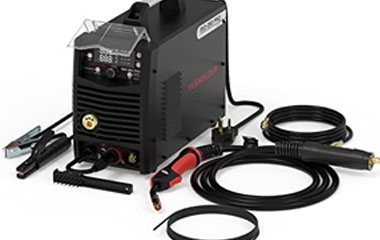
Beyond welding fluxes, Oldwelders also provides a comprehensive range of welding machine options, welding wire, and welding rods. This integrated approach allows us to understand the complete welding ecosystem, ensuring our fluxes are designed to perform optimally with various welding processes and equipment. Our technical team is always ready to collaborate with your quality and engineering departments to ensure our products seamlessly integrate into your operations and consistently meet your exacting standards.
Investing in Long-Term Partnership with a Quality Flux Manufacturer
The decision of which flux manufacturer to partner with extends far beyond the initial purchase price. It is an investment in the long-term reliability, efficiency, and quality of your entire welding operation. Partnering with a proven flux manufacturer like Oldwelders, one that demonstrates transparency, adheres to stringent quality controls, and boasts robust production capabilities, provides invaluable peace of mind.
By prioritizing consistency and demanding verifiable proof of quality, technical buyers and quality managers can safeguard their production processes against costly disruptions and ensure the integrity of their end products. Making the right choice in a flux manufacturer ensures not only superior welding performance today but also sustained operational excellence for years to come.