
When Does E6013 Welding Rod Cause Porosity?
When Does E6013 Welding Rod Cause Porosity?
The E6013 welding rod is a staple in many fabrication shops and construction sites, prized for its versatility, smooth arc, and ease of use in all positions, particularly on mild steel. It's a rutile-coated electrode known for its stable arc and minimal spatter, making it popular for general purpose welding and light structural work. However, even with such a user-friendly electrode, encountering weld defects like porosity can be a frustrating and costly issue. Porosity, characterized by small gas pockets or voids within the weld metal, compromises the strength and integrity of the joint, often requiring rework.
For fabrication supervisors and welding operators, understanding the specific conditions under which an E6013 welding rod might lead to porosity is crucial for effective fault isolation and prevention. This guide delves into the common causes of porosity when utilizing E6013 electrodes and provides practical steps for diagnosis and correction, ensuring high-quality, defect-free welds.
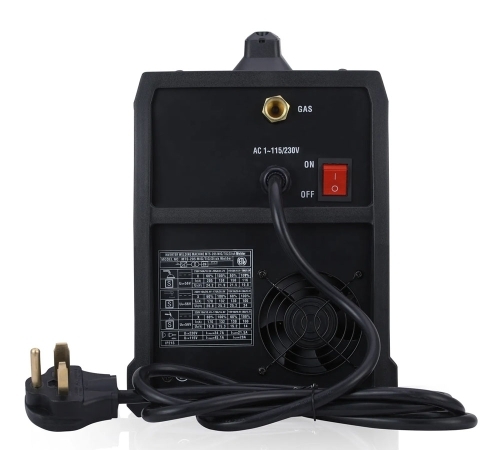
Understanding E6013 Welding Rod Characteristics and Porosity
The E6013 welding rod is classified as a mild steel, all-position electrode, characterized by its high titania (rutile) coating. This coating produces a soft, stable arc and a fine, ripple-free bead, making it suitable for both AC and DC welding machines. Its smooth slag is typically easy to remove, contributing to its appeal for general fabrication. However, the very characteristics that make E6013 easy to use can also contribute to porosity if not managed correctly.
Porosity occurs when gases become entrapped within the solidifying weld pool. These gases can originate from various sources, including the base metal, the electrode coating, or the surrounding atmosphere. While E6013 electrodes are designed to produce a protective gas shield, any disruption to this shield or an excess of gas-forming elements can lead to voids. The consequences of porosity range from aesthetic imperfections to severe reductions in mechanical properties, leading to potential joint failure under stress. Addressing porosity proactively is essential for maintaining the structural integrity and quality standards of welded components.
Common Causes of Porosity When Using E6013 Welding Rods
Identifying the root cause of porosity with an E6013 welding rod involves a systematic review of several factors. Each element, from material preparation to welding technique, plays a vital role in preventing gas entrapment.
Inadequate Base Metal Preparation
- Contaminants: Grease, oil, paint, rust, scale, or moisture on the base metal are primary culprits. These contaminants vaporize under the heat of the arc, introducing gases into the weld pool that get trapped as the metal solidifies.
- Moisture: Even invisible moisture on the workpiece can contribute significantly to hydrogen-induced porosity.
- Solution: Thoroughly clean the weld area before starting. Degrease with appropriate solvents, wire brush to remove rust and scale, and ensure the surface is dry.
Improper E6013 Welding Rod Handling and Storage
- Moisture Absorption: E6013 electrodes, especially those with rutile coatings, are susceptible to moisture absorption if not stored correctly. Excessive moisture in the coating generates hydrogen during welding, leading to porosity.
- Damaged Coating: A chipped or damaged electrode coating can compromise the gas shielding and introduce contaminants.
- Solution: Store E6013 welding rods in a dry environment, ideally in a heated cabinet or oven, according to manufacturer recommendations. Always inspect electrodes for damage before use. At Oldwelders, we emphasize the importance of proper storage for all our electrode products to ensure consistent performance and prevent defects.
Incorrect Welding Parameters and Technique
- Arc Length: An excessively long arc can destabilize the shielding gas, allowing atmospheric gases (nitrogen and oxygen) to enter the weld pool.
- Amperage: Too low amperage may result in an unstable arc and incomplete fusion, while too high amperage can lead to overheating, excessive spatter, and loss of shielding gas.
- Travel Speed: Too fast travel speed doesn't allow sufficient time for gases to escape the molten pool before solidification. Too slow travel speed can overheat the puddle and consume the shielding gas too quickly.
- Electrode Angle: An incorrect electrode angle can disrupt the shielding gas, especially in windy conditions.
- Solution: Maintain a short, consistent arc length. Adjust amperage and travel speed according to the joint configuration, material thickness, and electrode diameter. Experiment with slight variations to find the optimal settings. Ensure a proper work angle, typically 10-15 degrees in the direction of travel.
Insufficient or Contaminated Shielding Gas (Less Common for E6013, but Relevant to Fluxes)
While E6013 electrodes are self-shielded due to their flux coating, issues with external shielding gas are more pertinent to processes like MIG/MAG. However, the quality of the flux itself is paramount. If the raw materials for the flux are subpar or the manufacturing process is compromised, the gas-forming agents within the flux may not perform optimally. Oldwelders maintains stringent quality control, with our welding fluxes produced from excellent dolomite, bauxite, cryolite, silica, and fluorine ore, melted at 2000 °C to ensure superior gas shielding and minimal impurities.
Base Metal Composition Issues
Certain elements in the base metal, such as sulfur or phosphorus, can increase the likelihood of porosity. While E6013 is designed for mild steel, variations in alloy content can sometimes contribute to issues. Ensure the base metal is suitable for E6013 welding.
Diagnosing and Preventing Porosity in E6013 Welds
When porosity appears, a structured approach to diagnosis can quickly pinpoint the problem and guide corrective actions.
Step-by-Step Diagnostic Process
- Visual Inspection: Examine the porosity. Is it superficial or internal? Is it uniform or localized? Superficial porosity often points to surface contaminants or inadequate shielding, while internal porosity might suggest issues with electrode moisture or base metal composition.
- Check Electrode Condition: Are the E6013 welding rods dry? Is the coating intact? Replace any suspect electrodes.
- Review Base Metal Preparation: Re-examine the joint for cleanliness. Clean a small test area meticulously and run a test bead. If porosity disappears, cleaning was the issue.
- Verify Welding Parameters:
- Amperage: Is it within the manufacturer's recommended range for the electrode size? Adjust slightly up or down.
- Arc Length: Deliberately shorten the arc. Does porosity reduce?
- Travel Speed: Adjust travel speed. Too fast or too slow can be problematic.
- Polarity: While E6013 can run on AC or DCEN/DCEP, ensure consistent polarity for the chosen setting.
- Environmental Factors: Is there excessive wind or drafts in the welding area? Even for flux-cored electrodes, strong drafts can disrupt the protective gas cloud.
Corrective Actions and Best Practices
- Implement Strict Cleaning Protocols: Always clean the base metal thoroughly before welding. This includes grinding off heavy rust or scale, and degreasing.
- Ensure Proper Electrode Storage: Store E6013 welding rods in a dry, controlled environment. Consider using a heated storage oven for opened packages. Our commitment to quality extends to ensuring our welding materials are delivered ready for optimal performance.
- Optimize Welding Parameters: Adhere to the electrode manufacturer's recommended settings for amperage, voltage, and travel speed. Practice maintaining a consistent, short arc length.
- Adjust Welding Technique: Maintain a consistent travel speed and electrode angle. Use a slight weave if necessary to ensure proper tie-in and gas escape, but avoid excessive weaving which can break the gas shield.
- Work in a Protected Environment: Shield the welding area from wind and drafts whenever possible.
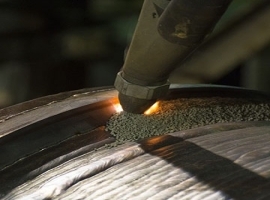
Maintaining Quality with E6013 Welding Rods
Achieving consistent, high-quality welds with E6013 welding rods is not just about identifying and fixing problems, but about proactive quality management. This involves selecting reliable materials, ensuring proper training for operators, and maintaining equipment.
The Importance of Quality Materials and Equipment
The performance of an E6013 welding rod is directly linked to its manufacturing quality. Electrodes from reputable suppliers are produced under strict quality control, ensuring consistent coating composition, diameter, and moisture resistance. This consistency is vital for predictable welding behavior and defect prevention. Oldwelders operates under ISO 9001 certification, reflecting our commitment to quality management systems across our product range, including AWS E6013 Welding Electrodes.
Furthermore, the condition of your welding machine also impacts weld quality. Regular maintenance and calibration of your equipment, whether an arc welding machine or other types, ensure stable power delivery and arc characteristics, which are critical for preventing porosity and other defects.
Oldwelders' Commitment to Excellence
At Oldwelders, we understand the critical role that superior welding consumables play in the success of your projects. Our commitment to quality is evident in every welding rod we produce. We pride ourselves on our state-of-the-art manufacturing facility, which covers an area of 1000 square meters and houses six production lines. This allows us to maintain a daily supply capacity of 100 tons, ensuring that our partners in markets like Brazil, Thailand, Australia, and Malaysia have access to high-quality welding solutions without delay.
Our minimum order quantity (MOQ) of 1 ton allows businesses of various scales to access our premium products efficiently. By adhering to rigorous quality control processes and utilizing only the finest raw materials, Oldwelders ensures that our E6013 welding rods consistently deliver stable arcs, minimal spatter, and, crucially, defect-free welds when used correctly. We are dedicated to supporting fabrication supervisors and welding operators in achieving optimal results, reducing rework, and enhancing the overall integrity of their welded structures.
Conclusion
Porosity, while a common weld defect, is largely preventable when using E6013 welding rods. By meticulously addressing factors such as base metal cleanliness, proper electrode storage, and correct welding parameters and technique, operators can significantly reduce its occurrence. A systematic diagnostic approach, combined with a commitment to quality materials and best practices, empowers welding professionals to produce strong, reliable, and aesthetically pleasing welds.
Choosing a reputable supplier like Oldwelders ensures that you start with a high-quality E6013 welding rod, manufactured to exacting standards. Our dedication to ISO 9001 certification and our substantial production capabilities underscore our promise of reliability and performance. By partnering with Oldwelders, you gain access to products designed for excellence, helping you to mitigate porosity and achieve superior welding outcomes in all your operations.
===BODY===