
What Is a Covered Electrode and How Does It Work?
What Is a Covered Electrode and How Does It Work?
In the world of industrial fabrication and construction, Shielded Metal Arc Welding (SMAW) remains one of the most versatile and widely used processes. At the heart of this process is the covered electrode, a consumable that is fundamental to creating strong, reliable welds. For welding engineers, technical buyers, and project managers, a deep understanding of this component is not just academic—it's critical for ensuring project quality, efficiency, and structural integrity. A covered electrode is far more than a simple metal rod; it is an engineered composite designed to perform multiple complex functions simultaneously during the welding process.
This article will provide a detailed exploration of the covered electrode, breaking down its components, explaining the critical role of its flux coating, and outlining the factors that guide proper selection for professional applications. Understanding this technology is the first step toward optimizing your welding operations and sourcing the right consumables for your needs.
The Core Components of a Covered Electrode
At first glance, a welding electrode appears simple. However, it consists of two primary parts, each meticulously designed and manufactured to work in concert: the core wire and the external flux coating. Each component has a distinct and indispensable purpose.
The Core Wire
The core wire, or core rod, is the solid metal rod at the center of the electrode. Its primary functions are twofold:
- Conducting Current: The core wire carries the electrical current from the electrode holder to the workpiece. This current creates the electric arc, which generates the intense heat—often exceeding 5,000 °C—necessary to melt the base metal and the electrode itself.
- Providing Filler Metal: As the arc melts the tip of the electrode, the core wire is consumed, and its molten metal is transferred across the arc to become part of the weld bead. This deposited metal, known as filler metal, fills the joint and fuses the base metals together, forming the weld.
The composition of the core wire is carefully controlled to be compatible with the base metal being welded. Wires are available in a wide range of materials, including mild steel, low-alloy steel, stainless steel, cast iron, and various non-ferrous alloys like aluminum and nickel.
The Flux Coating
The flux coating is a chemical mixture extruded onto the surface of the core wire. This coating is the most complex part of the electrode and is what truly distinguishes one type from another. When subjected to the intense heat of the arc, the flux coating decomposes and reacts to perform several crucial functions that are essential for creating a high-quality weld. Without this coating, welding in the open air would produce brittle, porous, and weak joints due to contamination from the atmosphere. The science behind these coatings is a core area of expertise in manufacturing high-quality welding materials.
The Critical Functions of the Flux Coating
The performance of a covered electrode is largely defined by its flux coating. This carefully formulated layer is not a single substance but a blend of minerals, metals, and chemical compounds. As it burns in the arc, it executes a series of simultaneous tasks vital to the integrity of the final weld.
- Gas Shielding: The primary function is to shield the molten weld pool from atmospheric gases like oxygen and nitrogen. When the flux coating burns, it releases a cloud of inert or active gases that displace the surrounding air, creating a protective atmosphere around the arc and the molten metal. This prevents oxidation and nitridation, which would otherwise make the weld brittle and weak.
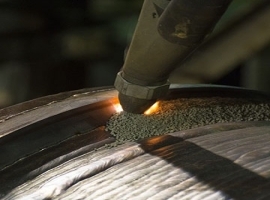
- Slag Formation: As the flux melts, it forms a liquid layer of slag that floats on top of the molten weld pool. This slag layer serves multiple purposes. It protects the cooling weld bead from atmospheric contamination after the gas shield has dissipated, helps shape the profile of the weld bead, and slows the cooling rate of the weld, which can improve its metallurgical properties and reduce the risk of cracking. Once the weld is complete, the solidified slag can be chipped away.
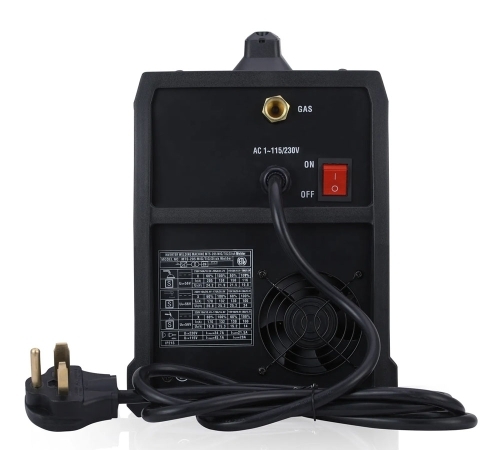
- Arc Stabilization: The coating contains ionizing elements, such as potassium and sodium compounds, that help establish and maintain a stable and smooth electric arc. A stable arc is easier for the welder to control, resulting in a more uniform and consistent weld bead. This stabilization is what allows certain electrodes to operate effectively with both AC and DC power sources, including a versatile mig-mag-tig welding machine that supports multiple processes.
- Deoxidation and Purification: The flux contains deoxidizing agents, such as ferromanganese and ferrosilicon. These elements react with impurities like oxides and sulfides in the molten weld pool, cleansing the metal and floating the impurities out into the slag. This refining action results in a purer, stronger, and more ductile weld deposit.
- Alloying: For specific applications, the flux coating can contain metallic powders (e.g., chromium, nickel, molybdenum) that are transferred into the weld pool. This allows the finished weld to have specific mechanical properties, such as increased hardness, corrosion resistance, or high-temperature strength, that may not be present in the core wire or base metal alone.
- Increased Deposition Rates: Some coatings, particularly for high-production applications, contain a significant amount of iron powder. This iron powder melts in the arc and contributes to the filler metal, increasing the amount of weld metal deposited per unit of time (deposition rate).
Deconstructing the Flux Coating: Key Ingredients and Their Roles
The precise formulation of the flux coating determines an electrode's characteristics and its suitability for specific applications. As an ISO 9001 certified manufacturer, we understand that quality begins with the raw materials. Our welding fluxes and electrode coatings are produced from excellent ores like dolomite, bauxite, cryolite, and silica, which are melted at temperatures of 2000 °C to ensure purity and consistency. Here are the main categories of ingredients and their functions.
Gas-Forming Agents
These components decompose in the arc to produce the protective gas shield. The most common gas former is cellulose (wood pulp), which generates a hydrogen-carbon dioxide shield. This produces a forceful, digging arc with deep penetration, characteristic of electrodes like the E6010.
Slag Formers and Fluxing Agents
These minerals create the protective slag system. Key ingredients include:
- Rutile (Titanium Dioxide): Promotes a very smooth arc, easy slag removal, and a fine weld bead appearance. It's a key ingredient in general-purpose electrodes like the E6013.
- Silica and Manganese Ore: These are primary slag formers that also help deoxidize the weld pool.
- Fluorspar (Calcium Fluoride): A powerful fluxing agent that lowers the slag's melting point and viscosity, making it more fluid. It is essential in low-hydrogen electrodes for controlling hydrogen content.
- Dolomite (Calcium Magnesium Carbonate): Acts as both a gas former (releasing CO2) and a basic slag former.
Arc Stabilizers
To ensure the arc remains consistent, easily ionizable compounds are added. Sodium and potassium silicates are common examples. They lower the voltage required to maintain the arc, resulting in smoother operation, especially with AC power sources.
Deoxidizers
These are metallic elements with a high affinity for oxygen. They are added to the coating to chemically remove oxygen from the molten weld pool. Ferromanganese and ferrosilicon are the most widely used deoxidizers in steel electrodes.
Common Types of Covered Electrodes by Coating
The American Welding Society (AWS) provides a classification system that helps users select the correct electrode. For carbon steel, the designation "EXXXX" provides key information. The first two (or three) digits indicate the minimum tensile strength of the deposited weld metal in thousands of pounds per square inch (e.g., E70XX has a 70,000 psi tensile strength). The third (or fourth) digit indicates the ideal welding position, and the last two digits together denote the type of flux coating.
- Cellulosic (e.g., E6010, E6011): Characterized by high cellulose content. They produce a forceful, deeply penetrating arc and a thin, fast-freezing slag. This makes them ideal for out-of-position welding, such as vertical or overhead, and for welding on dirty or rusty material. They are a staple in pipeline and general construction industries.
- Rutile (e.g., E6013): With a high percentage of rutile (titanium dioxide), these electrodes offer an exceptionally smooth arc, low spatter, and easy slag removal. While they have shallower penetration than cellulosic types, their ease of use makes them a popular choice for general fabrication and repair on thin materials. Our aws e6013 welding electrodes are a prime example of this versatile category.
- Low-Hydrogen (e.g., E7018): These electrodes have a coating that is very low in moisture and hydrogen-producing compounds. They deposit high-quality, ductile, and crack-resistant welds, making them mandatory for welding high-strength steels, thick sections, and critical structural applications. They require storage in controlled-temperature ovens to prevent moisture absorption.
- Iron Powder (e.g., E7024): The coating on these electrodes contains a high percentage of iron powder, significantly increasing the deposition rate. They are designed for high-speed welding in flat and horizontal positions only and produce a smooth bead with thick, easy-to-remove slag.
Partnering with a Reliable Electrode Manufacturer
Choosing the right covered electrode is only part of the equation for achieving high-quality welds. The consistency and quality of the electrodes themselves are paramount. A reliable manufacturing partner ensures that every batch of electrodes performs exactly as specified, eliminating costly rework and ensuring project safety.
As an ISO 9001 certified company, we adhere to the strictest quality control protocols from raw material sourcing to final product inspection. For our global clients in markets such as Brazil, Thailand, Australia, and Malaysia, supply chain reliability is just as critical as product quality. Our 1000-square-meter plant, equipped with six modern production lines, has a capacity of up to 100 tons per day, ensuring we can meet the demands of large-scale industrial and infrastructure projects without interruption.
We offer a standard 30-day lead time and a manageable Minimum Order Quantity (MOQ) of 1 ton, providing the flexibility that businesses need to manage inventory and project timelines effectively. By partnering with Oldwelders, you gain access not just to superior welding consumables but to a robust supply chain built to support your success.