
Understanding Welding Flux in Arc Welding Processes
What Does Welding Flux Do in Arc Welding?
In the intricate world of metal fabrication, achieving strong, durable, and defect-free welds is paramount. While the welding machine and welding materials like wires and rods are often the focus, an equally critical component often operating behind the scenes is the welding flux. This seemingly simple granular or paste material plays a profoundly complex and essential role in various arc welding processes, influencing everything from the arc stability to the final mechanical properties of the weld.
For welding engineers and technical buyers, understanding the precise functions of flux is not merely academic; it is fundamental to specifying the right consumables for optimal production outcomes. This article delves into the core responsibilities of welding flux, explaining how it protects the molten weld pool, refines weld metal chemistry, and ensures the integrity of the finished joint.
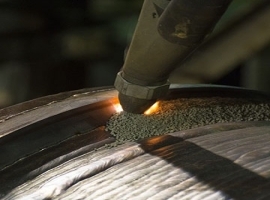
The Essential Role of Welding Flux in Arc Welding Processes
At its heart, the primary function of welding flux is protection. During arc welding, the intense heat generated by the electric arc melts the base metal and filler material, creating a molten pool. This molten metal is highly reactive with atmospheric gases such as oxygen and nitrogen. If left exposed, these gases can dissolve into the weld pool, leading to porosity, embrittlement, and other detrimental defects that severely compromise the weld's strength and reliability.
Welding flux addresses this challenge by performing several critical protective functions:
- Atmospheric Shielding: As the flux melts under the arc, it produces a protective gas shield around the molten weld pool. This gas displaces ambient air, preventing harmful oxygen and nitrogen from contaminating the weld.
- Slag Formation: The molten flux forms a layer of molten slag over the weld pool. This slag acts as a physical barrier, further insulating the molten metal from the atmosphere and slowing its cooling rate. Slower cooling can be beneficial for gas escape and grain refinement.
- Deoxidation: Fluxes contain deoxidizing agents that react with any oxygen already present in the weld pool or introduced during the process. These reactions form stable compounds that are absorbed into the slag, effectively "cleaning" the molten metal.
- Alloying: Beyond protection, some fluxes are designed to introduce specific alloying elements into the weld metal. This allows for precise control over the chemical composition and, consequently, the mechanical properties of the weld, such as strength, toughness, and corrosion resistance.
- Arc Stabilization: The chemical composition of the flux can significantly influence the stability of the welding arc. Certain flux components provide ionized particles that help maintain a smooth, consistent arc, leading to better bead shape and reduced spatter.
Without the protective and enhancing capabilities of flux, achieving high-quality welds in many arc welding applications would be exceptionally difficult, if not impossible. Its role is integral to the success of processes like Shielded Metal Arc Welding (SMAW), Flux-Cored Arc Welding (FCAW), and Submerged Arc Welding (SAW).
Deconstructing the Multifaceted Functions of Welding Flux
To truly appreciate the engineering behind welding fluxes, it is essential to break down its functions into more granular details, revealing how each component contributes to a superior weld.
Slag Formation and Weld Pool Protection
The slag layer is arguably the most visible and immediate benefit of flux. As the flux melts, it creates a molten blanket that floats on top of the denser molten metal. This slag is carefully formulated to possess specific properties:
- Physical Barrier: It physically separates the weld pool from the atmosphere, preventing oxygen and nitrogen ingress.
- Thermal Insulation: The slag layer insulates the weld, slowing down the cooling rate. This controlled cooling allows dissolved gases to escape, reduces residual stresses, and promotes a more favorable microstructure, minimizing the risk of hydrogen-induced cracking.
- Shape and Contour Control: The viscosity and surface tension of the molten slag influence the shape and contour of the weld bead. A well-designed flux produces a slag that is easy to remove after solidification, leaving a clean, aesthetically pleasing weld.
Deoxidation and Alloying Elements
Beyond external protection, flux actively purifies and enhances the weld metal internally:
- Deoxidizers: Fluxes contain powerful deoxidizers like silicon, manganese, and titanium. These elements have a high affinity for oxygen and react with it to form oxides, which are then absorbed into the slag layer. This process removes harmful oxygen from the weld metal, preventing porosity and improving mechanical properties.
- Alloying Additions: In many applications, the flux is a vehicle for introducing precise amounts of alloying elements into the weld. This is particularly crucial when welding specialty steels or when specific mechanical properties (e.g., increased tensile strength, impact toughness, or corrosion resistance) are required. Elements like nickel, chromium, molybdenum, and vanadium can be incorporated through the flux, allowing for tailor-made weld metal chemistry.
Arc Stabilization and Penetration Control
The electrical characteristics of the arc are also heavily influenced by flux:
- Arc Stability: Certain compounds within the flux, such as carbonates and fluorides, decompose at arc temperatures to produce ionized gases. These gases enhance the electrical conductivity of the arc plasma, leading to a more stable and focused arc. A stable arc translates to consistent heat input, smoother metal transfer, and ultimately, a more uniform weld bead.
- Penetration Control: The chemical composition and physical properties of the flux can affect the arc force and the way heat is distributed into the base metal. This allows for control over the depth of penetration, which is critical for achieving proper fusion and joint strength in various welding configurations.
Influencing Mechanical Properties
The collective actions of flux—shielding, deoxidation, alloying, and arc stabilization—culminate in a significant impact on the final mechanical properties of the weld. By preventing defects, refining grain structure, and introducing beneficial elements, the proper selection of welding flux contributes to:
- Increased tensile strength and yield strength.
- Improved ductility and toughness.
- Enhanced fatigue resistance.
- Better corrosion resistance.
- Reduced susceptibility to cracking.
Diverse Applications Across Welding Processes and Industries
The versatility of welding flux allows it to be utilized across a spectrum of arc welding techniques, each with specific requirements and benefits. The formulation of the flux is tailored to the process and the intended application.
Submerged Arc Welding (SAW) Fluxes
Submerged Arc Welding (SAW) is a highly efficient process known for its deep penetration and high deposition rates, often used in heavy fabrication. In SAW, granular flux completely covers the arc, hence the term "submerged." This unique application relies heavily on specifically formulated fluxes to deliver its benefits. For instance, our submerged arc welding flux HJ431 is engineered to optimize performance in such demanding environments. The flux melts to form a thick, protective slag that offers superior shielding and thermal insulation, resulting in extremely clean welds with excellent mechanical properties. This process is commonly found in shipbuilding, pressure vessel manufacturing, and structural steel fabrication.
Flux-Cored Arc Welding (FCAW) and Shielded Metal Arc Welding (SMAW)
In Flux-Cored Arc Welding (FCAW), the flux is contained within a tubular wire, melting internally to provide shielding gas and slag. This method offers high productivity and versatility, often used for welding thicker materials and in outdoor conditions where wind might disperse external shielding gases. For SMAW, or stick welding, the flux is coated onto the outside of the electrode. As the electrode melts, the coating provides the necessary shielding, deoxidation, and alloying. Both FCAW and SMAW are widely used in construction, general fabrication, and repair applications, benefiting from the integrated protective features of their respective flux systems.

Oldwelders' Commitment to Quality and Performance in Welding Flux Production
At Oldwelders, we understand that the reliability and performance of your welding operations depend significantly on the quality of your consumables. That is why our production of welding fluxes adheres to the highest industry standards, ensuring consistent and superior results for our clients globally.
Our commitment to excellence is underscored by our ISO 9001 certification, a testament to our robust quality management systems and dedication to continuous improvement. We operate a state-of-the-art facility that spans an area of 1000 square meters, equipped with six modern production lines. This infrastructure empowers us with a considerable manufacturing capacity, allowing us to supply up to 100 tons of product daily, meeting the demands of large-scale industrial projects.
The foundation of our high-performance welding fluxes lies in the meticulous selection of raw materials. We utilize only excellent dolomite, bauxite, cryolite, silica, fluorine ore, and other essential ores. These premium raw materials are then subjected to a precise melting process at extreme temperatures of 2000 °C, ensuring optimal homogeneity and chemical purity in our finished products. This rigorous control over input materials and manufacturing processes guarantees the consistent quality and performance of every batch of welding flux we produce.
We serve a diverse international clientele, with significant market presence in regions such as Brazil, Thailand, Australia, and Malaysia. Our minimum order quantity (MOQ) for many products is as low as 1 ton, making our high-quality solutions accessible to a wide range of businesses, from specialized workshops to large industrial enterprises. Furthermore, with a typical lead time of 30 days, we strive to ensure timely delivery, supporting your project timelines and operational efficiency.
Whether you require arc welding machine consumables, specialized welding materials, or specific formulations of welding flux, Oldwelders is your trusted partner. Our expertise in not only welding wire and welding rod but also welding fluxes ensures comprehensive support for your welding needs.
Conclusion
The role of welding flux in arc welding is undeniably critical and multifaceted. Far from being a mere accessory, it is an engineered component that actively protects the weld pool, refines its chemistry, stabilizes the arc, and ultimately dictates the mechanical integrity and aesthetic quality of the final weld. Understanding these intricate functions allows for informed selection and application, leading to more reliable and efficient welding processes.
At Oldwelders, we pride ourselves on manufacturing premium welding fluxes designed to meet the rigorous demands of modern industrial applications. Our dedication to quality, advanced manufacturing capabilities, and strategic sourcing of superior raw materials ensure that our products consistently deliver exceptional performance. For expert guidance on selecting the ideal welding flux for your specific operational requirements, we invite you to consult with our knowledgeable team.