
What Is a Basic Welding Rod and When to Use It?
Understanding the Critical Role of a Basic Welding Rod in Structural Welding
In the world of industrial fabrication and structural engineering, the integrity of a weld is not just a measure of quality—it is a cornerstone of safety and performance. From towering skyscrapers to high-pressure pipelines, the choice of welding consumable can determine the long-term reliability of an entire project. While various types of welding electrodes are available, the basic welding rod stands out as the premier choice for applications demanding maximum strength, ductility, and resistance to cracking. Understanding its unique properties is essential for any fabricator, engineer, or procurement manager involved in critical welding operations.
Unlike general-purpose electrodes, these specialized consumables are engineered with a low-hydrogen flux coating. This key characteristic minimizes the risk of hydrogen-induced cracking, a common and dangerous failure mode in high-strength or thick-section steels. This article provides a comprehensive overview of what constitutes a basic electrode, its distinct advantages, and the specific industrial scenarios where its use is not just recommended, but imperative.
What Defines a Basic Low-Hydrogen Electrode?
The term "basic" refers to the chemical composition of the electrode's flux coating, which is alkaline in nature. This is in contrast to "acidic" or "rutile" coatings. The formulation of this coating is a precise science, designed to produce a weld deposit with exceptionally low levels of diffusible hydrogen.
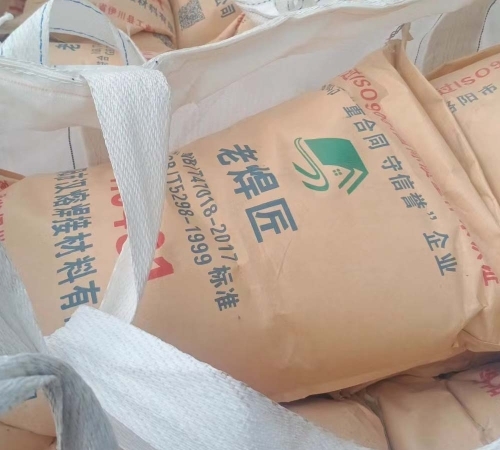
The flux of a basic electrode is primarily composed of calcium carbonate (CaCO₃) and calcium fluoride (CaF₂), also known as fluorspar. At Oldwelders, we leverage our deep expertise in flux manufacturing by sourcing excellent raw materials like dolomite, bauxite, and high-purity fluorine ore. These components are meticulously processed and melted at temperatures exceeding 2000°C to create a homogenous coating that performs consistently. During welding, these compounds serve several critical functions:
- Shielding Gas: The coating decomposes in the arc to create a protective shield of carbon dioxide (CO₂), shielding the molten weld pool from atmospheric oxygen and nitrogen, which can cause porosity and embrittlement.
- Low Hydrogen Potential: The ingredients in a basic flux contain very little hydrogen. Any moisture that may have been absorbed is driven off during the manufacturing process. This results in a weld deposit with minimal dissolved hydrogen, significantly reducing the risk of cold cracking, especially in restrained joints or high-carbon equivalent steels.
- Slag Formation: The flux melts to form a fluid, fast-freezing slag that covers the weld bead. This slag protects the solidifying metal, helps shape the bead profile, and is particularly effective for welding in vertical and overhead positions.
The most common example of this electrode type is the E7018, a staple in structural steel and pressure vessel fabrication. The "1" in its classification indicates its all-position capability, and the "8" signifies its low-hydrogen, iron powder coating, which contributes to higher deposition rates and a smooth arc.
Key Characteristics and Advantages of Basic Electrodes
The decision to specify a basic welding rod is driven by the need for superior mechanical properties and weld integrity. While they may require more stringent handling and operator skill compared to other electrode types, the benefits in critical applications are undeniable.
Superior Mechanical Properties
Weld metal deposited by basic electrodes is known for its exceptional toughness and ductility. This means the weld can withstand significant stress and deformation without fracturing. It exhibits high impact strength, even at low temperatures (excellent Charpy V-notch values), making these electrodes ideal for structures and equipment operating in harsh or cold environments, such as offshore platforms and mining machinery.
High Resistance to Cracking
This is the primary advantage. The low-hydrogen deposit effectively prevents hydrogen-induced cracking (HIC), also known as delayed or cold cracking. This type of cracking can occur hours or even days after welding is complete and is a major concern when welding medium-to-high carbon steels, low-alloy steels, and thick sections that create high residual stress.
High-Purity Weld Metal
The flux composition acts as a refining agent, removing impurities like sulfur and phosphorus from the molten weld pool. This results in a very clean, high-quality weld metal with a fine grain structure, contributing to its excellent mechanical properties. This level of quality is assured through stringent manufacturing controls, such as those governed by our ISO 9001 certified quality management system, ensuring every batch meets exacting standards.
All-Position Capability
Most basic electrodes, like the E7018, are designed for use in all welding positions (flat, horizontal, vertical, and overhead). The relatively fast-freezing slag holds the molten weld pool in place against the force of gravity, allowing skilled welders to produce sound welds in challenging orientations.
Common Industrial Applications for Basic Welding Rods
The use of a basic welding rod is mandated in numerous industry codes and standards for applications where weld failure could have catastrophic consequences. Their reliability has made them indispensable across several key sectors.
Structural Steel Fabrication
In the construction of bridges, stadiums, high-rise buildings, and other critical infrastructure, E7018 and similar electrodes are the standard for joining structural beams and plates. The high tensile strength and fracture toughness of the welds ensure the structure can safely handle dynamic loads and environmental stresses.
Pressure Vessels and Boilers
The fabrication of vessels and piping for power plants, refineries, and chemical processing facilities requires welds that can withstand high pressures and temperatures over long service lives. The crack-resistant and high-purity deposits from basic electrodes provide the necessary safety and reliability.
Heavy Machinery and Equipment
Manufacturers and repair shops for heavy equipment—such as bulldozers, excavators, cranes, and mining trucks—rely on these electrodes. The frames and components of this machinery are often made from high-strength, low-alloy (HSLA) steels that are susceptible to cracking if welded with the wrong consumables.
Shipbuilding and Offshore Industries
Welds in ship hulls, offshore oil and gas platforms, and subsea pipelines must endure corrosive saltwater environments and extreme mechanical stresses. The robust, ductile welds produced by a basic welding rod are essential for maintaining structural integrity in these demanding conditions. For large-scale projects in these sectors, a reliable supply chain is critical. With a production capacity of 100 tons per day from our six production lines, Oldwelders is equipped to service major projects in markets from Brazil to Australia.
Proper Technique and Best Practices for Use
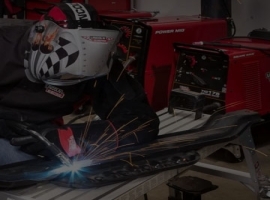
Achieving the full benefits of low-hydrogen electrodes requires adherence to strict procedures for storage, handling, and welding technique. Neglecting these steps can reintroduce hydrogen and compromise weld quality.
Moisture Control is Paramount
The coatings on basic electrodes are hygroscopic, meaning they readily absorb moisture from the atmosphere. This moisture breaks down in the arc, releasing hydrogen directly into the weld pool. To prevent this, electrodes must be:
- Stored Correctly: Keep them in their original, hermetically sealed containers until ready for use.
- Held in Ovens: Once a container is opened, electrodes should be transferred to a heated holding oven (typically 120-150°C or 250-300°F) to keep them dry.
- Re-baked if Exposed: If electrodes are exposed to the atmosphere for an extended period (consult manufacturer specifications), they must be re-baked at a higher temperature (e.g., 350-400°C or 650-750°F) to drive out absorbed moisture.
Welding Parameters and Technique
Using a basic welding rod effectively requires a slightly different technique than with other electrodes.
- Polarity: They are typically run on Direct Current Electrode Positive (DCEP), which provides a stable arc and good penetration.
- Arc Length: A very short, tight arc length must be maintained. A long arc can lead to porosity and loss of shielding.
- Travel Angle and Speed: A slight drag angle (10-15 degrees) is generally used. Travel speed should be steady and controlled to ensure proper bead shape and fusion. Avoid excessive weaving; stringer beads or small weave patterns are preferred.
- Base Metal Preparation: The base metal must be thoroughly cleaned of all rust, scale, oil, paint, and moisture before welding. Basic electrodes are less tolerant of surface contaminants than their rutile counterparts.
Choosing the Right Electrode: Basic vs. Other Types
Selecting the appropriate electrode involves balancing the demands of the application with factors like cost, ease of use, and desired finish.
Basic vs. Rutile (e.g., E7018 vs. E6013)
Rutile electrodes, such as aws e6013 welding electrodes, are known for their soft, smooth arc, easy slag removal, and excellent bead appearance. They are a great choice for general-purpose fabrication, sheet metal, and applications where mechanical properties are less critical. However, they are not low-hydrogen and do not offer the same level of ductility or crack resistance as a basic electrode. For any structural or high-stress application, a basic rod like E7018 is the superior choice.
Basic vs. Cellulosic (e.g., E7018 vs. E6010)
Cellulosic electrodes (E6010/E6011) are prized for their deep, forceful penetration, making them ideal for welding the root pass in pipes and cutting through rust or scale. However, they also have high hydrogen content and produce a rougher weld bead. They are used for specific applications, while basic electrodes are used for the fill and cap passes that require high-quality, ductile weld metal.
Ultimately, the choice comes down to the code requirements and service conditions of the final product. For a comprehensive selection of welding materials engineered for industrial performance, consulting with a knowledgeable supplier is key.
Your Partner for Critical Welding Consumables
The basic welding rod is a highly engineered consumable designed for the most demanding welding jobs. Its low-hydrogen characteristics provide an essential defense against cracking, ensuring the safety and longevity of critical structures and equipment. While it requires careful handling and skilled application, its superior mechanical properties make it an indispensable tool in modern fabrication.
At Oldwelders, we specialize in producing high-quality welding consumables, including a wide range of electrodes and welding fluxes, for industrial clients worldwide. With a minimum order quantity of 1 ton and a standard lead time of 30 days, we are structured to be a reliable partner for your project supply chain. Contact our team today to discuss your specific application and learn how our products can deliver the strength and integrity your projects demand.