
Rutile Welding Rod: Vertical-Down Limitations
Understanding the Limitations of Rutile Welding Rod for Vertical-Down Applications
For welding coordinators and field-fabrication teams, selecting the appropriate electrode for each welding position is paramount to ensuring structural integrity, operational efficiency, and cost-effectiveness. The welding materials market offers a diverse range of electrodes, each with specific characteristics tailored to different applications. Among these, the Rutile Welding Rod, often categorized under AWS E6013, is widely recognized for its ease of use and excellent aesthetic qualities. However, despite its versatility in many positions, its application in vertical-down welding is notably limited. This article will delve into the fundamental reasons behind this limitation, examining the metallurgical and practical considerations that influence electrode selection for critical B2B projects.
Oldwelders is an ISO 9001 certified manufacturer, committed to providing high-quality welding machine and consumables. Our extensive manufacturing plant covers an area of 1000 square meters and is equipped with six production lines, enabling us to supply up to 100 tons of product daily. We understand the nuances of welding applications and the critical importance of choosing the right AWS E6013 welding electrodes and other materials for optimal project outcomes, serving diverse markets including Brazil, Thailand, Australia, and Malaysia.
The Essential Characteristics of Rutile Electrodes
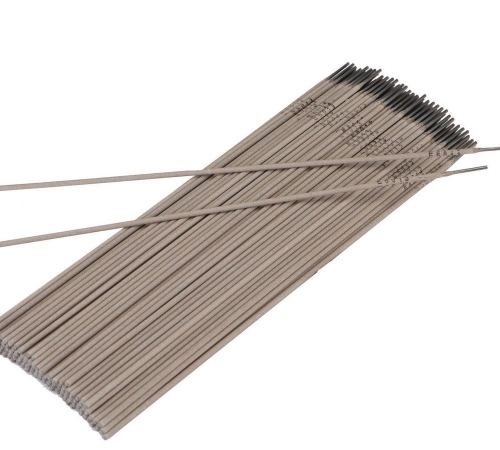
Rutile electrodes are characterized by a coating rich in titanium dioxide (rutile), which contributes significantly to their desirable welding properties. They are renowned for producing a smooth, stable arc, minimal spatter, and an aesthetically pleasing bead appearance. The slag produced is typically voluminous and easily detachable, simplifying post-weld cleaning. These characteristics make rutile electrodes a popular choice for general fabrication, sheet metal work, and jobs where cosmetic finish is a priority, especially in flat, horizontal, and vertical-up positions.
Their high deposition rates mean that welders can complete tasks efficiently, a crucial factor in maintaining productivity in demanding B2B environments. The ease of striking and re-striking an arc also reduces operator fatigue and improves overall workflow. Welders often appreciate the soft arc and smooth metal transfer, which contribute to a more comfortable welding experience and consistent results. These features underscore why rutile electrodes are a staple in many workshops globally, offering a balance of performance and user-friendliness for a wide array of applications.
Why Vertical-Down Welding Poses Unique Challenges
Vertical-down welding involves moving the electrode downwards along a vertical joint. This technique is often favored for its speed and higher deposition rates compared to vertical-up welding, making it attractive for applications where productivity is a key concern. However, it presents unique challenges, primarily due to the relentless force of gravity acting on the molten weld pool. For a successful vertical-down weld, the molten metal must solidify rapidly enough to prevent it from sagging or running ahead of the arc. This requires careful consideration of the electrode’s coating composition, which dictates the fluidity of the weld pool and the freezing characteristics of the slag.
The core issue in managing vertical-down welds lies in achieving immediate solidification of the weld pool. Gravity constantly pulls the molten metal downwards, demanding that the electrode form a quickly freezing puddle. If the molten metal remains fluid for too long, it will sag, leading to an uneven bead profile, lack of fusion, and other critical defects. Therefore, electrodes designed for vertical-down welding must inherently possess properties that promote rapid solidification of both the weld metal and the protective slag layer.
The Role of Slag Characteristics and Puddle Fluidity
The primary reason a Rutile Welding Rod struggles in vertical-down applications lies in the specific characteristics of its slag and the fluidity of its molten puddle. Rutile-based coatings produce a highly fluid, voluminous slag that is relatively slow to solidify. When welding in the vertical-down position, this fluid slag and molten metal tend to flow downwards under gravity before they have a chance to freeze. This makes it exceedingly difficult for the welder to control the weld pool, leading to several critical issues:
- Lack of Puddle Control: The molten metal sags, making it challenging to maintain a consistent bead shape and thickness. This results in an irregular, often convex, weld bead with poor aesthetics and potential for structural weakness.
- Slag Entrapment: The slow-freezing, voluminous slag can become trapped within the solidifying weld metal. This leads to slag inclusions, a severe defect that weakens the weld and can act as stress concentrators, compromising the integrity of the joint.
- Inadequate Penetration: The fluid puddle can prevent the arc force from properly penetrating the base metal, leading to a lack of fusion. This is particularly problematic in load-bearing structures where full penetration is essential.
- Undercutting: The molten metal can flow away from the edges of the weld pool, leaving grooves in the base metal adjacent to the weld toe. This undercut reduces the effective thickness of the parent material and can initiate fatigue cracks.
In contrast, electrodes designed for vertical-down welding, such as cellulosic types, produce a much faster-freezing, less voluminous slag that quickly solidifies, effectively holding the molten metal in place against gravity. This fundamental difference in slag behavior and puddle fluidity is the key differentiator for electrode suitability in this challenging position.
Common Defects and Risks When Using Rutile for Vertical-Down
Attempting to use a Rutile Welding Rod for vertical-down applications significantly increases the risk of various welding defects, which can have costly implications for B2B projects. These defects not only compromise the structural integrity of the weld but also necessitate time-consuming and expensive rework, impacting project timelines and budgets. Understanding these risks is crucial for making informed electrode selection decisions.
- Slag Inclusions: As mentioned, the slow-freezing, fluid slag of rutile electrodes is prone to being trapped within the weld metal, leading to non-metallic inclusions. These inclusions act as stress risers, reducing the weld's strength and ductility.
- Lack of Fusion and Penetration: The inability to properly control the molten puddle and slag often results in insufficient melting of the base metal or previous weld passes. This creates areas where the weld metal has not fully fused with the parent material, severely weakening the joint.
- Excessive Undercut: Due to the fluid nature of the weld pool, the molten metal can easily flow away from the edges, leaving a sharp groove or undercut in the base metal. Undercuts reduce the cross-sectional area of the joint and can lead to premature failure under stress.
- Porosity: Erratic arc behavior and poor puddle control in vertical-down welding with rutile electrodes can lead to gas entrapment within the solidifying weld metal, forming pores. Porosity reduces the effective load-bearing area of the weld and can initiate cracks.
- Poor Bead Profile and Sagging: The most immediate visual defect is an uneven, saggy, or excessively convex weld bead. This not only looks unprofessional but also indicates poor control over the molten metal, often hiding underlying structural deficiencies.
Each of these defects can lead to costly repairs, project delays, and potential structural failures, underscoring the importance of selecting an electrode specifically engineered for the vertical-down position.
Optimal Electrode Choices for Vertical-Down Welding
When vertical-down welding is required, the industry standard shifts away from rutile electrodes towards types specifically designed to manage gravity and ensure rapid solidification. The most common and effective alternatives are cellulosic electrodes.
Strategic Selection for Productivity and Quality
Cellulosic electrodes, such as AWS E6010 and E6011, are the preferred choice for vertical-down applications. Their coating contains a high proportion of cellulose, which, when burned, produces a large volume of shielding gas and a very forceful, penetrating arc. Key advantages include:
- Fast-Freezing Slag: Cellulosic electrodes produce minimal, very fast-freezing slag. This allows the welder to control the molten puddle effectively against gravity, ensuring good bead shape and preventing sagging.
- Deep Penetration: The forceful arc provides excellent penetration, crucial for achieving full fusion in root passes and thick sections. This is highly beneficial in pipe welding and structural applications where deep, reliable welds are essential.
- Ability to Burn Through Contaminants: The strong arc of cellulosic electrodes can effectively burn through light rust, paint, and other surface contaminants, reducing the need for extensive pre-weld cleaning and enhancing productivity.
While cellulosic electrodes offer superior vertical-down performance and high travel speeds, they typically produce a coarser bead appearance and more spatter compared to rutile electrodes. Welders often require more skill to handle the intense arc and manage the molten puddle effectively.
Another category, basic electrodes (e.g., AWS E7018), while not ideal for fast vertical-down welding due to their slower-freezing, heavy slag, are excellent for vertical-up positions where high-integrity welds with superior mechanical properties and low hydrogen content are required. They are often used for critical structural components, pressure vessels, and heavy fabrication where strength and crack resistance are paramount.
Welding coordinators must strategically select electrodes based on the specific requirements of the job, including joint configuration, material type, desired mechanical properties, and welding position. Understanding the limitations of each electrode type, like the Rutile Welding Rod, allows for process planning that maximizes both productivity and quality, minimizing rework and ensuring project success. Oldwelders provides a comprehensive range of welding fluxes and electrodes tailored to various industrial needs, ensuring our clients have access to the optimal consumables for every application.
Maximizing Rutile Electrode Performance in Suitable Applications
While the Rutile Welding Rod has clear limitations in vertical-down applications, it remains an invaluable tool in a welder’s arsenal for many other positions. Leveraging its strengths in appropriate scenarios can significantly enhance productivity and achieve excellent results. Understanding where and how to best utilize rutile electrodes is key to optimizing welding operations.
Rutile electrodes excel in positions such as flat (1F/1G), horizontal (2F/2G), and overhead (4F/4G), as well as vertical-up (3F/3G) with proper technique. Their smooth arc and self-peeling slag make them highly user-friendly, particularly for less experienced welders or for applications where cosmetic appearance is a priority. When used correctly, they offer a stable arc, minimal spatter, and a consistent bead profile, reducing the need for extensive post-weld grinding and cleaning. This efficiency is critical for maintaining fast turnaround times in manufacturing and fabrication environments.
To maximize the performance of rutile electrodes in suitable applications, several best practices should be observed:
- Maintain Appropriate Amperage: Adhering to the manufacturer's recommended amperage range is crucial for achieving a stable arc and proper melt-off rate. Too low an amperage can result in an unstable arc and poor fusion, while too high can lead to excessive spatter and undercut.
- Correct Electrode Angle: Maintaining the correct electrode angle, typically a slight drag angle, helps in guiding the molten puddle and slag effectively, ensuring good penetration and bead aesthetics.
- Short Arc Length: A short arc length is generally recommended for rutile electrodes to maintain arc stability, control the weld pool, and minimize hydrogen pick-up, contributing to a stronger, more ductile weld.
- Proper Travel Speed: Matching the travel speed to the amperage and electrode diameter prevents excessive heat input or inadequate fill, contributing to a consistent bead width and penetration profile.
By focusing on these procedural aspects, welding professionals can fully harness the benefits of rutile electrodes in their designated applications. Our commitment to providing precise and reliable arc welding machine and high-quality welding consumables ensures that our partners can achieve optimal results across all suitable welding positions. Oldwelders offers a minimum order quantity of 1 ton for our welding materials and maintains a lead time of 30 days, reflecting our capacity and commitment to serving industrial clients effectively.
Understanding the specific characteristics and limitations of each electrode type, including the Rutile Welding Rod, empowers welding coordinators and field-fabrication teams to make informed decisions that directly impact project quality, efficiency, and cost. While rutile electrodes are excellent for their ease of use, smooth arc, and aesthetic finish in many positions, their inherent puddle fluidity and slag characteristics render them less suitable for vertical-down welding, where fast-freezing properties are paramount.
For critical vertical-down applications, cellulosic electrodes offer the necessary deep penetration and rapid solidification to counteract gravity and ensure sound welds. By selecting the right tool for the job – whether it's a Rutile Welding Rod for general fabrication or a cellulosic electrode for demanding positional work – professionals can ensure optimal performance and avoid costly defects. Oldwelders remains dedicated to supplying a comprehensive range of high-quality welding solutions, from welding machine to specialized electrodes, backed by our ISO 9001 certification and extensive manufacturing capabilities, to support your B2B operational excellence.