
Prevent Rutile Rod Porosity With Dry Storage
Effective Dry Storage Methods Prevent Rutile Welding Rod Porosity
Rutile welding rods are a staple in numerous industrial welding applications, prized for their exceptional ease of use, stable arc, and excellent bead appearance. However, even the highest quality electrodes can lead to significant problems if not handled and stored correctly. One of the most common and detrimental issues encountered by fabricators and quality control teams is porosity in the weld bead, often directly attributable to moisture absorption in the electrode coating. Understanding the critical role of proper storage, particularly dry storage, is paramount to mitigating this widespread defect and ensuring the integrity and reliability of every weld.
At Oldwelders, we understand that consistent weld quality is non-negotiable for our B2B clients across diverse markets, including Brazil, Thailand, Australia, and Malaysia. Our commitment to excellence, backed by ISO 9001 certification, extends beyond manufacturing high-performance welding materials to providing comprehensive guidance on their optimal use and preservation.
Understanding Rutile Welding Rods and Their Advantages
Rutile-coated electrodes derive their name from rutile, a naturally occurring mineral primarily composed of titanium dioxide. This mineral forms a significant component of the electrode's flux coating, which plays a crucial role during the welding process. When an arc is struck, the rutile coating decomposes, creating a gaseous shield that protects the molten weld pool from atmospheric contamination. It also forms a slag that covers and protects the cooling weld metal.
The primary advantages of using rutile welding rods include:
- Ease of Arc Starting and Re-striking: Rutile electrodes are renowned for their user-friendly characteristics, allowing for quick and consistent arc initiation, which is particularly beneficial for less experienced welders or in intermittent welding tasks.
- Stable Arc: The flux composition ensures a smooth, stable arc, leading to consistent penetration and reduced spatter.
- Excellent Bead Appearance: Welds produced with rutile rods typically exhibit a smooth, finely rippled bead with easily removable slag, minimizing post-weld cleaning.
- All-Positional Welding: Many rutile electrodes are designed for all-position welding, offering versatility for various joint configurations and project requirements.
- Good Mechanical Properties: While generally considered for general-purpose applications, these electrodes provide adequate mechanical properties for a wide range of mild steel fabrications.
Despite these benefits, the hydrophilic nature of rutile coatings makes them susceptible to moisture absorption, a weakness that, if unaddressed, can undermine all their inherent advantages.
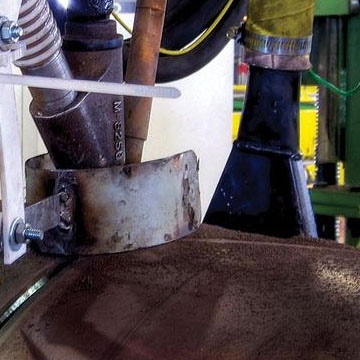
The Root Cause of Porosity: Moisture Contamination in Electrodes
Porosity, characterized by the presence of small, gas-filled voids or holes within the weld metal, is a common and critical defect. It compromises the mechanical strength, fatigue life, and overall integrity of a welded joint. For rutile welding rods, moisture contamination is the leading cause of such porosity.
How Moisture Leads to Porosity
The rutile coating, being hygroscopic, readily absorbs moisture from the surrounding atmosphere. When a contaminated electrode is used, the absorbed moisture rapidly converts into hydrogen gas at the high temperatures of the welding arc. This hydrogen, along with other gases like oxygen and nitrogen, gets trapped within the molten weld pool. As the weld metal solidifies, these gases attempt to escape but become entrapped, forming spherical or elongated voids—porosity.
Visible Signs and Impact of Porosity
Porosity can manifest in several ways:
- Surface Porosity: Visible as small holes or craters on the weld bead surface.
- Subsurface Porosity: Not immediately visible, but detectable through non-destructive testing methods like radiography.
- Wormhole Porosity: Elongated, tubular voids often appearing in clusters, indicative of severe gas entrapment.
The presence of porosity significantly weakens the weld. It acts as stress concentrators, reducing the load-bearing capacity and making the joint susceptible to cracking under dynamic or static loads. For industries reliant on structural integrity, such as construction, shipbuilding, or heavy machinery manufacturing, porosity is an unacceptable defect that can lead to costly rework, project delays, or even catastrophic failures.
Implementing Best Practices for Rutile Welding Rod Storage
Preventing porosity related to moisture absorption in rutile welding rods begins with rigorous control over their storage and handling. Proactive measures are far more cost-effective than reactive repairs.
Optimal Storage Conditions for Rutile Welding Rods
To maintain the integrity of rutile-coated electrodes, they must be stored in conditions that minimize moisture absorption:
- Controlled Environment: Store electrodes in a dry, heated, and well-ventilated area. Ideally, this means a dedicated storage cabinet or room with temperature and humidity control.
- Temperature: Maintain a stable temperature, generally above ambient dew point, to prevent condensation.
- Humidity: Relative humidity should be kept low, typically below 50%. Dehumidifiers or electrode drying ovens (holding ovens) are excellent tools for this purpose.
- Original Packaging: Keep electrodes in their hermetically sealed original packaging until immediately prior to use. Once opened, they are exposed to the atmosphere.
- Elevated Storage: Store electrode packages off the floor on racks or pallets to prevent moisture absorption from damp concrete and to ensure proper air circulation.
For large-scale operations or those managing bulk orders, such as the 1-ton minimum order quantity that Oldwelders provides, consistent and controlled storage conditions are crucial from the moment the materials arrive. Our robust supply chain ensures that our high-quality welding fluxes and electrodes reach our international clients in Brazil, Thailand, Australia, and Malaysia in optimal condition, ready for storage in their facilities.
Reconditioning Procedures for Contaminated Electrodes
If rutile welding rods are suspected of moisture contamination or have been exposed to humid conditions, they can often be reconditioned. This typically involves baking the electrodes in a dedicated drying oven:
- Baking Temperature and Duration: Follow the manufacturer's recommendations precisely. Typical reconditioning temperatures for rutile electrodes are lower than for basic electrodes, often ranging from 100°C to 150°C for a period of 1 to 2 hours. Overbaking can damage the flux coating.
- Controlled Cooling: After baking, electrodes should be allowed to cool slowly within the oven or transferred to a heated holding oven set at a lower temperature (e.g., 50°C to 70°C) until ready for use.
- Warning: Heavily contaminated or water-damaged electrodes may not be fully recoverable and might need to be discarded to prevent weld defects.
On-Site Handling and Management
Even with perfect storage, improper handling on the shop floor can reintroduce moisture:
- Limited Exposure: Issue only the quantity of electrodes needed for a specific shift or task. Return unused electrodes to a heated holding oven at the end of the shift.
- Portable Ovens: For field work or remote sites, portable electrode ovens are indispensable. These maintain the electrodes at a warm, dry temperature, protecting them from ambient humidity.
- Avoid Direct Contact: Prevent electrodes from coming into direct contact with damp surfaces, oil, grease, or other contaminants.
Quality Control and Troubleshooting Porosity Issues
Even with the best practices, porosity can occasionally occur. Effective quality control and troubleshooting protocols are essential for identifying the problem and implementing corrective actions promptly.
Visual Inspection and Non-Destructive Testing
Initial detection often involves visual inspection of the weld bead. Surface porosity is immediately evident. For subsurface defects, more advanced techniques are necessary:
- Radiography (X-ray): Provides an internal view of the weld, clearly revealing entrapped gas pockets.
- Ultrasonic Testing (UT): Uses sound waves to detect internal discontinuities, including porosity.
- Dye Penetrant Testing (DPT): Primarily for surface-breaking defects, it can highlight very fine surface porosity.
Test Welds and Process Verification
When porosity is detected, a systematic troubleshooting approach is required:
- Verify Electrode Condition: First, confirm that the rutile welding rod being used is dry and has been stored correctly. Check batch numbers and storage logs.
- Check Welding Parameters: Ensure that current, voltage, travel speed, and electrode angle are within recommended ranges. Incorrect parameters can also contribute to porosity.
- Cleanliness of Base Material: The base metal must be clean, free from rust, oil, paint, and excessive mill scale. Contaminants on the workpiece can generate gases that lead to porosity.
- Shielding Gas Quality (if applicable): While rutile rods are self-shielding due to their flux, if any additional shielding gas is used for other processes, its flow rate and purity should be verified.
- Run Test Welds: Before resuming production, perform test welds on scrap material using a fresh, properly stored rutile electrode and verified parameters. Inspect these test welds thoroughly for any signs of porosity.
At Oldwelders, our internal quality assurance processes are rigorous. We ensure that our raw materials—excellent dolomite, bauxite, cryolite, silica, and fluorine ore—are melted at 2000 °C to produce high-grade flux products. Our plant, covering an area of 1000 square meters and housing six production lines, boasts a capacity of 100 tons a day, ensuring consistent quality and supply for our global partners. This foundational commitment to material excellence directly contributes to minimizing defects like porosity when our electrodes are used correctly.
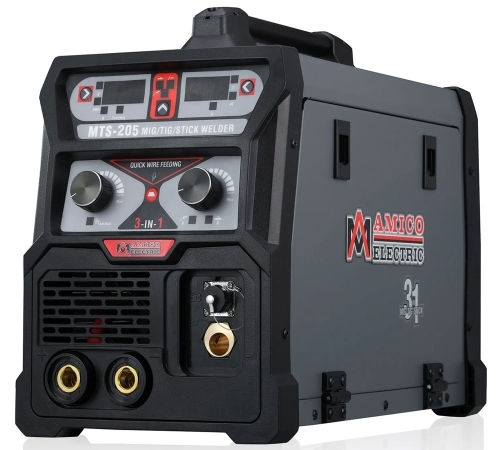
The Oldwelders Advantage: Quality and Reliability in Welding Materials
Preventing porosity in welds made with rutile-coated electrodes boils down to disciplined material management, from initial purchase to final deposition. By prioritizing dry storage and adhering to best practices for handling and reconditioning, welding operations can significantly reduce defects, enhance weld quality, and improve overall productivity.
At Oldwelders, we are dedicated to supplying the highest caliber welding consumables and equipment, including welding machines, welding wire, and welding fluxes, designed to meet the stringent demands of industrial applications. Our ISO 9001 certification is a testament to our unwavering commitment to quality management systems. With a production capacity designed for efficiency and reliability, and a focus on serving key markets globally, we are your trusted partner in achieving superior weld integrity. Our processes are engineered to deliver robust performance, with a standard 30-day period for certain guarantees or delivery timelines, ensuring peace of mind for our clients.
Invest in quality materials and implement rigorous storage protocols. The integrity of your welds—and your reputation—depends on it.