
Rutile Welding Rods in Structural Steel Applications
Are Rutile Welding Rods the Optimal Choice for Structural Steel Applications?
Selecting the correct welding consumable is paramount for ensuring the integrity, efficiency, and longevity of welded structures, particularly within the demanding field of structural steel fabrication. Fabrication engineers and welding supervisors constantly evaluate electrode types to establish robust Welding Procedure Specifications (WPS) and procure the most suitable welding materials. Among the various types of shielded metal arc welding (SMAW) electrodes, the Rutile Welding Rod stands out for its distinctive characteristics. This article delves into the suitability of rutile welding rods for structural steel, examining their strengths, limitations, and critical considerations for making an informed decision. Oldwelders, an ISO 9001 certified manufacturer, understands the intricate balance between performance, quality, and cost-effectiveness that B2B clients require for their projects.
Understanding Rutile Welding Rod Characteristics
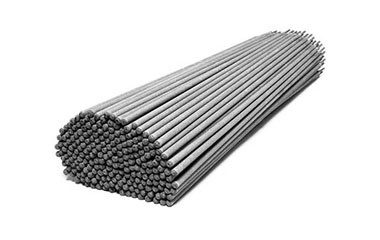
Rutile welding rods, typically classified under AWS E6013 or similar standards, are characterized by their high titanium dioxide content in the flux coating. This rutile base provides several operational advantages that make them a popular choice for many welding applications. Oldwelders ensures that the raw materials for our flux products, such as excellent dolomite, bauxite, cryolite, silica, and fluorine ore, are melted at 2000 °C to achieve the precise composition needed for consistent performance.
Arc Stability and Slag Properties
One of the primary benefits of a Rutile Welding Rod is its exceptionally smooth and stable arc. This stability minimizes spatter and makes it easier for operators to maintain a consistent weld pool. The flux coating also produces a fluid, manageable slag that solidifies quickly and is often self-releasing, simplifying post-weld cleaning. This ease of operation contributes to higher productivity and reduced rework, which are crucial factors in large-scale structural steel projects.
Weld Bead Appearance and Finish
Rutile electrodes are renowned for producing aesthetically pleasing weld beads with a fine ripple and smooth profile. This makes them ideal for applications where cosmetic appearance is important, such as visible structural components or architectural steelwork. The consistent bead shape also reflects well on the quality of workmanship, a significant consideration for clients evaluating finished projects.
Welding Positions and Operator Skill
Their excellent all-position welding capabilities, including vertical-down and overhead positions, make rutile rods versatile for complex structural geometries. The easy striking and re-striking characteristics, combined with a forgiving arc, mean that even less experienced welders can achieve acceptable results. This user-friendliness can be a significant advantage in environments where a broad range of operator skill levels is present.
Structural Steel Welding Demands and Considerations
Structural steel encompasses a wide array of grades and applications, each with specific welding requirements. The choice of welding consumable must align with these demands to ensure structural integrity and safety. Key considerations include the material's mechanical properties, the stresses imposed on the joint, and environmental factors.
Material Strength and Thickness
Structural steel can range from mild carbon steels to high-strength low-alloy (HSLA) steels. Thicker sections and higher-strength materials place greater demands on the weld metal, requiring superior mechanical properties and careful control of heat input and cooling rates. While rutile rods are excellent for general-purpose welding on mild steel, their suitability decreases as material thickness and strength increase.
Joint Design and Restraint
Highly restrained joints, where the components are rigidly held during welding, can induce significant residual stresses. These stresses, if not managed correctly, can lead to cracking. The ability of the weld metal to accommodate these stresses without fracturing is critical. Rutile electrodes, due to their higher hydrogen content compared to basic electrodes, can be less forgiving in highly restrained applications.
Hydrogen Cracking Risk
One of the most critical factors in structural steel welding is the risk of hydrogen-induced cold cracking (HICC), also known as hydrogen embrittlement. Hydrogen, introduced into the weld pool from the electrode coating, moisture, or base material contaminants, can diffuse into the heat-affected zone (HAZ) and cause brittle fractures hours or days after welding. Rutile coatings inherently contain more moisture and organic compounds, leading to higher diffusible hydrogen levels in the weld metal. This makes them less suitable for critical applications involving thicker sections, high-strength steels, or highly restrained joints, where hydrogen cracking is a significant concern. For such applications, low-hydrogen basic electrodes are generally preferred.
Pre- and Post-Weld Heat Treatment (PWHT)
In some structural applications, preheating the base metal is necessary to slow down the cooling rate and facilitate hydrogen escape, thereby reducing the risk of cracking. Post-weld heat treatment (PWHT) may also be required to relieve residual stresses or optimize mechanical properties. The choice of electrode can influence the effectiveness and necessity of these heat treatments.
When Rutile Welding Rods Excel in Structural Steel
Despite their limitations in certain high-demand scenarios, rutile welding rods remain an excellent choice for a significant portion of structural steel applications where their specific advantages can be fully leveraged.
General Fabrication and Non-Critical Structures
For general structural fabrication, such as frameworks for sheds, railings, light trusses, or non-load-bearing elements, the ease of use and good appearance of a Rutile Welding Rod make it a highly efficient option. When structural integrity is not subjected to extreme stresses or dynamic loads, the benefits of quick welding and easy clean-up often outweigh the need for specialized low-hydrogen consumables.
Thin to Medium Thickness Steels
Rutile electrodes perform exceptionally well on thin to medium-thickness structural steels. Their stable arc and fluid slag allow for precise control over the weld pool, preventing burn-through on thinner materials and ensuring good penetration without excessive heat input. This makes them suitable for sections typically found in light to medium construction projects.
Fillet Welds and Positional Welding
Their excellent all-position capabilities are particularly advantageous for fillet welds, which are common in structural steel assembly. The ability to weld vertical-down and overhead with relative ease enhances productivity, especially when working on fabricated assemblies where components cannot always be positioned optimally for flat or horizontal welding. This versatility reduces the need for frequent repositioning of the workpiece or the welder.
AC or DC Power Sources
Many rutile type electrodes are versatile and perform well with both AC and DC power sources. This flexibility can be beneficial on construction sites where various arc welding machine types might be available, offering greater adaptability for different equipment setups.
Limitations and Alternatives for Critical Structural Applications
While the Rutile Welding Rod offers many advantages, it is crucial to recognize its limitations when confronted with highly critical structural steel applications where specific mechanical properties and resistance to defects are paramount.
Hydrogen Cracking Sensitivity
As discussed, the higher hydrogen content associated with rutile coatings makes them unsuitable for welding high-strength steels, thick sections, or highly restrained joints where the risk of hydrogen-induced cold cracking is elevated. In such scenarios, the consequences of failure can be catastrophic, necessitating the use of consumables specifically designed to minimize hydrogen.
Mechanical Properties and Toughness
Compared to basic (low-hydrogen) electrodes, the weld metal deposited by rutile electrodes generally exhibits lower toughness and ductility, especially at sub-zero temperatures. For structures exposed to harsh environments or dynamic loading, where high impact strength is required, basic electrodes (e.g., E7018) are typically preferred for their superior mechanical properties.
High-Strength and Low-Alloy Steels
When welding high-strength low-alloy (HSLA) steels, which require particular care to maintain their mechanical properties and prevent cracking, rutile electrodes are generally not recommended. These steels demand consumables that provide matching or superior strength, excellent toughness, and, most importantly, very low diffusible hydrogen levels to ensure the integrity of the weld. Oldwelders offers a comprehensive range of welding fluxes and electrodes tailored for these specialized applications.
Heavy Section Welding
For heavy section structural steel, which involves large weld volumes and significant heat input, controlling hydrogen and ensuring adequate penetration and fusion is critical. Rutile electrodes may struggle to provide the necessary depth of penetration and robust mechanical properties required for these demanding applications, often leading to a preference for basic or cellulosic electrodes.
Oldwelders' Commitment to Quality and Global Supply
At Oldwelders, we understand the specific needs of B2B clients in the welding industry. Our commitment to quality and efficiency is reflected in every product we manufacture, from welding machine to electrodes.
Manufacturing Excellence
As an ISO 9001 certified company, Oldwelders adheres to stringent quality control standards across all production stages. Our state-of-the-art plant, covering an area of 1000 square meters, houses six production lines with the capacity to supply up to 100 tons of welding consumables per day. We utilize only excellent raw materials, such as dolomite, bauxite, cryolite, silica, and fluorine ore, which are melted at 2000 °C to produce high-performance flux products. This meticulous process ensures that every Rutile Welding Rod, and indeed all our welding consumables, meets the highest industry standards.
Supporting Your Global Projects
Oldwelders is a trusted partner for businesses across the globe, with established target markets in Brazil, Thailand, Australia, and Malaysia. We are equipped to handle large-scale orders, with a minimum order quantity (MOQ) often starting at 1 ton, demonstrating our capability to support significant industrial projects worldwide. Our robust supply chain and manufacturing capacity ensure timely delivery and consistent product availability.
Comprehensive Welding Solutions
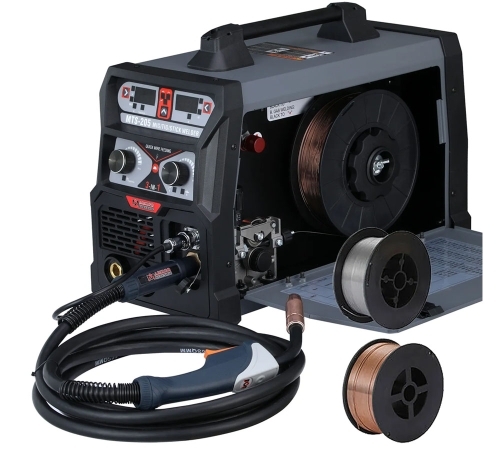
Beyond welding rods, Oldwelders provides a complete suite of welding solutions, including various types of welding wire and welding fluxes, designed to meet diverse industrial requirements. Our expertise extends to helping clients select the most appropriate consumables for their specific applications, optimizing performance and cost-efficiency.
Making the Right Choice: A Decision Matrix for Structural Steel
Choosing the ideal electrode for structural steel welding involves a careful evaluation of several factors. Here is a simplified decision matrix to guide the selection process, considering the role of the Rutile Welding Rod:
- Joint Restraint: For low to medium restraint, rutile rods are acceptable. For high restraint, prioritize low-hydrogen basic electrodes.
- Material Thickness & Strength: Rutile rods are suitable for thin to medium mild steel. For thick sections or high-strength steels, opt for low-hydrogen basic electrodes.
- Hydrogen Risk: If hydrogen cracking is a significant concern (e.g., critical structures, thick sections, high-strength steels), avoid rutile and use low-hydrogen basic electrodes.
- Power Source: Rutile rods are versatile for AC and DC. Basic electrodes generally perform best with DC.
- Required Mechanical Properties: If high toughness, ductility, and impact strength are critical, basic electrodes are superior. Rutile rods are suitable when general mechanical properties suffice.
- Aesthetics: When weld appearance is a priority for non-critical welds, rutile rods excel.
- Welding Position: Rutile rods offer excellent all-position versatility. Basic electrodes can also be all-position but may require more operator skill.
- Operator Skill: Rutile rods are more forgiving for less experienced welders. Basic electrodes often require higher skill.
In conclusion, while rutile welding rods offer significant advantages in terms of ease of use, arc stability, and aesthetic bead appearance, their application in structural steel must be carefully considered. For non-critical, thin to medium thickness mild steel structures, they are a highly effective and efficient choice. However, for critical applications involving high-strength steels, thick sections, high restraint, or where hydrogen cracking is a major risk, low-hydrogen basic electrodes are often the safer and more reliable option. Oldwelders stands ready to provide expert guidance and a full range of high-quality welding consumables to meet the diverse and exacting demands of your structural steel projects.