
Store Basic Welding Rods for Weld Integrity
Proper Storage of Basic Welding Rods is Crucial to Prevent Hydrogen Cracks
For welding supervisors and workshop operators, ensuring the integrity of every weld is paramount. One of the most significant threats to weld quality, particularly in critical applications, is the formation of hydrogen cracks. These insidious defects can compromise structural integrity, leading to costly failures and rework. The primary culprit often lies in the improper handling and storage of welding consumables, especially basic welding rods. These specialized electrodes are designed for demanding applications, offering superior mechanical properties and low hydrogen content when used correctly. However, their reliance on a flux coating that is highly susceptible to moisture absorption makes their storage a critical control point before production begins.
At Oldwelders, we understand the challenges faced by professionals in maintaining peak performance and preventing weld defects. Our commitment to quality, backed by ISO 9001 certification, extends beyond manufacturing high-grade welding materials to providing the knowledge necessary for their optimal use. This article delves into the science behind hydrogen cracking, the unique vulnerabilities of basic welding rods, and the essential storage and handling protocols required to safeguard weld quality and prevent costly failures.
The Critical Role of Basic Welding Rods in High-Integrity Welds
Basic welding rods, also known as low-hydrogen electrodes, are indispensable in industries requiring high-strength, crack-resistant welds. Their flux coatings are formulated to produce a gas shield and slag that effectively protect the molten weld pool during the arc welding process. Crucially, these coatings generate minimal hydrogen during welding, which is a key factor in preventing hydrogen-induced cracking. Welds created with these electrodes exhibit excellent mechanical properties, including high tensile strength, good ductility, and superior notch toughness, making them ideal for pressure vessels, heavy structural steel, shipbuilding, and other critical applications where weld integrity cannot be compromised.
The performance benefits of basic welding rods are directly tied to the integrity of their low-hydrogen coating. When this coating absorbs moisture from the atmosphere, the hydrogen content within the arc increases significantly. During welding, this hydrogen can dissolve into the molten metal and, upon solidification, become trapped within the weld metal and heat-affected zone (HAZ). This trapped hydrogen is the precursor to hydrogen embrittlement and subsequent cracking. Therefore, understanding and controlling the moisture content of these electrodes is not merely a best practice; it is a fundamental requirement for achieving reliable, high-quality welds.
Understanding Hydrogen Cracks and Their Devastating Impact
Hydrogen cracks, often referred to as cold cracks or delayed cracks, are a type of weld defect that can appear hours or even days after welding has been completed. Unlike hot cracks, which form during solidification, hydrogen cracks manifest at lower temperatures, typically below 200°C. Their delayed nature makes them particularly insidious, as a seemingly perfect weld can suddenly fail without warning, often under operational stress.
The formation of hydrogen cracks requires a confluence of four primary factors:
- Presence of Diffusible Hydrogen: This is the most critical factor. Hydrogen can enter the weld pool from various sources, but moisture in electrode coatings, rusty or dirty base material, and damp shielding gases are the most common culprits.
- Susceptible Microstructure: High-strength steels and thick sections are more prone to hydrogen cracking because their microstructures (e.g., martensite) are less tolerant of hydrogen.
- Tensile Stress: Residual stresses from welding shrinkage or external loads can act as initiation points for cracks in the presence of hydrogen.
- Low Temperature: Hydrogen atoms become less mobile at lower temperatures, leading to their accumulation at grain boundaries and other stress concentrators.
When these conditions align, hydrogen atoms diffuse to areas of high stress concentration, weakening the atomic bonds within the steel and leading to brittle fracture. The consequences of hydrogen cracks can be severe, ranging from costly repairs and production delays to catastrophic structural failures, posing significant safety risks and financial losses for businesses. Preventing these defects begins with rigorous control over the welding consumables, especially the storage of moisture-sensitive electrodes.
Optimal Storage Practices for Basic Welding Rods
The effectiveness of basic welding rods hinges entirely on their low-hydrogen characteristics, which are maintained only through stringent storage protocols. Moisture absorption is the enemy, and a proactive approach to storage is essential to prevent costly weld defects.
Dry Storage Conditions
The most fundamental rule for storing basic welding rods is to keep them dry. This means storing them in a dedicated, climate-controlled environment. The storage area should be isolated from ambient humidity and fluctuating temperatures. Ideally, the temperature should be maintained above the dew point to prevent condensation, and relative humidity should be kept low, typically below 50%. Industrial-grade drying ovens or heated storage cabinets are excellent investments for maintaining these conditions, especially in humid climates or regions like Brazil, Thailand, Australia, and Malaysia, where atmospheric moisture can be a persistent challenge.
Hermetically Sealed Containers
Upon arrival, basic welding rods are usually packaged in hermetically sealed containers, such as vacuum-sealed foil bags or airtight tins. These packages are designed to protect the electrodes from moisture until they are ready for use. It is imperative that these seals remain intact until the electrodes are required for immediate production. Once a container is opened, the electrodes within become exposed to atmospheric moisture, and their "shelf life" for low-hydrogen performance begins to diminish rapidly. For this reason, only open as many packages as can be consumed within a prescribed period, usually a few hours, depending on ambient conditions.
Proper Handling and Inventory Management
Beyond environmental control, proper handling and inventory management are crucial. Electrodes should be handled carefully to avoid physical damage to the flux coating, which can create pathways for moisture ingress or lead to inconsistent arc performance. A "first-in, first-out" (FIFO) inventory system helps ensure that older stock is used before newer stock, minimizing the time electrodes spend exposed to potential moisture. Clear labeling of opened packages with the date and time of exposure can also aid in managing their usable life. At Oldwelders, our rigorous internal quality control processes, aligned with ISO 9001 standards, ensure that all our welding fluxes and electrodes are manufactured and packaged to the highest specifications, ready for secure storage at your facility.
Quiver Usage for On-Site Protection
For electrodes taken from the main storage area to the welding workstation, heated quivers or portable drying ovens are indispensable. These devices maintain the electrodes at an elevated temperature (often between 70°C and 150°C), keeping them dry and preventing moisture re-absorption during the welding shift. Welders should only take out enough electrodes for a short period of work, returning unused electrodes to the quiver or a holding oven at the end of the shift, rather than leaving them exposed to the workshop environment.
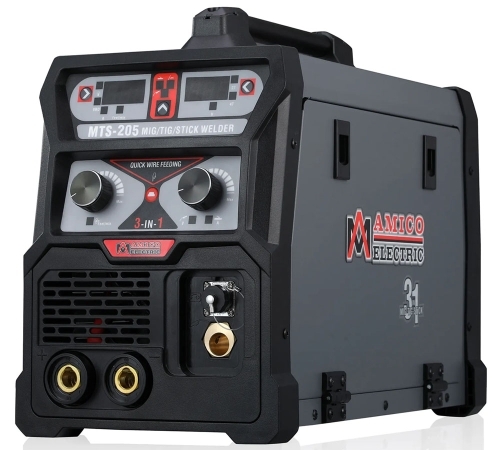
Re-baking Procedures: Restoring Basic Welding Rods to Peak Performance
Despite the best storage practices, there are instances where basic welding rods may absorb moisture, either due to accidental exposure, extended storage after opening, or simply as a precautionary measure before critical welds. In such cases, a procedure known as re-baking can restore the electrodes to their low-hydrogen condition, making them suitable for use again.
When Re-baking is Necessary
Re-baking is typically required when:
- Electrodes have been exposed to the atmosphere for longer than the manufacturer's specified limit (often 2-4 hours for low-hydrogen electrodes).
- Moisture is suspected to have entered the flux coating due to packaging damage or improper storage.
- For extremely critical applications, even electrodes from unopened packages might be re-baked as an additional safeguard.
Re-baking Temperature and Time Guidelines
The specific re-baking parameters (temperature and time) are crucial and must always follow the manufacturer's recommendations. These guidelines are designed to drive off moisture without damaging the flux coating or altering its chemical composition. General ranges for basic welding rods include temperatures between 250°C and 450°C (480°F and 840°F) for durations typically ranging from 1 to 4 hours. It is critical to use a calibrated drying oven that can maintain a consistent temperature throughout the re-baking cycle. Over-baking or baking at excessively high temperatures can compromise the flux coating, leading to poor weld performance or even new defects.
Post-Re-baking Storage
Once re-baked, the electrodes must be immediately transferred to a heated holding oven or a heated quiver maintained at a lower temperature (e.g., 70-150°C) to prevent re-absorption of moisture. They should remain in this holding condition until they are consumed. Re-baking is a restorative process, but electrodes are still susceptible to moisture after treatment. Always adhere strictly to the manufacturer's instructions for both re-baking and post-re-baking storage to ensure the optimal performance of your welding consumables. At Oldwelders, we pride ourselves on the quality of our welding materials, which are produced using excellent raw materials such as dolomite, bauxite, cryolite, silica, and fluorine ore, melted at 2000 °C to ensure superior flux properties, giving you confidence in your re-baking efforts.
Oldwelders' Commitment to Quality and Global Supply
At Oldwelders, we understand that weld quality is non-negotiable for our B2B partners. Our comprehensive range of products, including welding machines, welding wire, welding rods, and welding fluxes, is manufactured with precision and adherence to the highest international standards. Our ISO 9001 certification is a testament to our unwavering commitment to quality management systems, ensuring that every product leaving our facility meets stringent performance criteria.
Our state-of-the-art manufacturing plant, covering an area of 1000 square meters, is equipped with six advanced production lines. This allows us to maintain a robust production capacity of up to 100 tons per day, ensuring that our partners receive their orders efficiently and reliably. We specialize in providing high-quality arc welding machine and materials, catering to diverse industrial needs. We understand the importance of timely delivery, and while specific lead times can vary, we typically fulfill orders within 30 days, with a minimum order quantity (MOQ) of 1 ton designed to support industrial-scale operations.
Oldwelders serves a broad international clientele, with significant market presence in countries such as Brazil, Thailand, Australia, and Malaysia. Our global reach is built on a foundation of trust, consistency, and the superior performance of our welding solutions. Whether you require advanced welding machine or need a consistent supply of high-quality welding consumables, we are equipped to be your reliable partner in achieving excellence in every weld.
Conclusion
The proper storage and handling of basic welding rods are not merely procedural recommendations; they are critical safeguards against hydrogen cracks, ensuring the integrity and longevity of welded structures. For welding supervisors and workshop operators, implementing strict controls over electrode storage, including dry conditions, hermetically sealed packaging, and effective re-baking procedures, is paramount. These measures directly contribute to preventing costly weld failures, maintaining production schedules, and upholding the reputation for quality that defines successful industrial operations.
Oldwelders is dedicated to supporting your success by providing not only superior welding consumables and equipment but also the foundational knowledge required for their optimal use. By integrating these best practices into your daily operations, you can significantly mitigate the risk of hydrogen-induced cracking and ensure that every weld meets the highest standards of quality and reliability. Partner with Oldwelders for solutions that empower precision and performance in every aspect of your welding processes.