
Rutile Welding Rods for Vertical-Up Welds?
Are Rutile Welding Rods Right for Vertical-Up Welds?
For welding engineers and fabricators, selecting the correct electrode is paramount to achieving high-quality welds, especially when tackling challenging joint positions. Vertical-up welding, in particular, demands electrodes with specific characteristics to counteract the effects of gravity on the molten weld pool. This article delves into the properties of rutile welding rods and evaluates their suitability for vertical-up applications, offering insights to inform your procedure setup.
Oldwelders, with its comprehensive range of welding materials including welding machines, welding wire, welding rod, and welding fluxes, understands the nuances of electrode selection. Our commitment to quality ensures that professionals have access to the right tools for every welding scenario, backed by rigorous standards and extensive manufacturing capabilities.
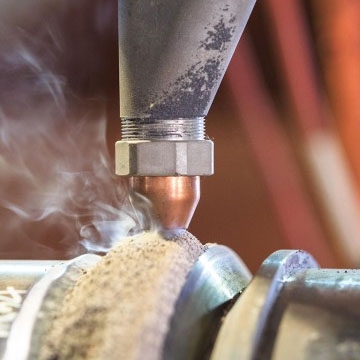
Understanding Rutile Welding Rods and Their Characteristics
Rutile welding rods, often classified as E6013 or E7014 according to AWS specifications, derive their name from the significant amount of titanium dioxide (rutile) in their flux coating. This coating plays a crucial role in defining their welding performance and resulting weld properties. These rods are widely popular for their ease of use, making them a staple in general fabrication, sheet metal work, and maintenance welding.
Composition and Arc Characteristics
The high rutile content in the flux coating contributes to a soft, stable, and easily controllable arc. Welders often describe the arc as smooth, with minimal spatter, which enhances visibility of the weld pool. This stability is particularly beneficial for less experienced welders or in situations requiring consistent bead aesthetics. The arc characteristics also allow for welding with both AC and DC current, offering versatility in equipment usage.
Slag Properties and Weld Appearance
One of the most distinctive features of rutile welding rods is their fluid, self-releasing slag. This slag forms a protective blanket over the molten metal, shielding it from atmospheric contamination, and typically detaches easily upon cooling, reducing post-weld cleaning time. The resulting weld beads are generally smooth, finely rippled, and aesthetically pleasing, making them suitable for applications where appearance is a critical factor. However, the fluidity of this slag can present challenges in certain welding positions, as we will explore.
Mechanical Properties and Applications
Welds produced with rutile electrodes generally offer good tensile strength and ductility, though they may not match the toughness of basic or low-hydrogen electrodes. They are excellent for general-purpose welding of mild steel, light structural work, and non-critical applications. Their ease of striking and re-striking the arc, coupled with good gap-bridging capabilities, makes them versatile for various joint types and plate thicknesses. At Oldwelders, we pride ourselves on providing high-quality welding consumables, manufactured in our ISO 9001 certified facility, ensuring consistent performance. Our production processes, including the melting of excellent dolomite, bauxite, cryolite, silica, and fluorine ore at 2000 °C for our flux products, underscore our commitment to superior material quality.
The Specific Challenges of Vertical-Up Welding
Vertical-up welding (3F or 3G position) is universally recognized as one of the more challenging welding orientations. The primary adversary in this position is gravity, which constantly pulls the molten weld pool downwards, threatening to cause sag, undercut, or even the complete collapse of the weld. Successfully executing a vertical-up weld requires precise control over several key parameters.
Gravity's Influence on the Molten Pool
When welding upwards, the molten metal naturally wants to flow downwards. To counteract this, the welder must manipulate the electrode in a way that allows the molten pool to solidify quickly enough to form a shelf, supporting subsequent passes. This demands a delicate balance between heat input, travel speed, and electrode manipulation.
Need for Fast-Freezing Slag and Puddle Control
Electrodes suitable for vertical-up welding typically feature a fast-freezing slag. This characteristic allows the slag to solidify rapidly, providing mechanical support to the molten metal and preventing it from sagging. Without a fast-freezing slag, the molten pool would simply run down the joint, leading to an unacceptable weld. Moreover, the welder needs exceptional puddle control to manage the size and shape of the molten pool, ensuring adequate penetration without overheating the base metal or creating excessive buildup.
Common Defects in Poorly Executed Vertical-Up Welds
If not performed correctly, vertical-up welds are prone to several defects:
- Undercut: A groove melted into the base metal adjacent to the weld toe, left unfilled by weld metal.
- Excessive Convexity: Too much weld metal piled up, creating a highly convex bead, often due to insufficient heat or improper manipulation.
- Slag Inclusions: Trapped slag within the weld metal, often resulting from poor cleaning between passes or inadequate slag control.
- Lack of Fusion: Failure of the weld metal to fuse completely with the base metal or previous weld passes.
- Porosity: Gas pockets trapped within the solidified weld metal, which can compromise strength.
These challenges highlight why electrode selection is critical. The electrode must not only provide shielding and add filler metal but also facilitate the necessary control for gravity-defying welding.
Evaluating Rutile Welding Rods for Vertical-Up Applications
Given the specific demands of vertical-up welding, the question of whether rutile welding rods are a suitable choice becomes pertinent. While rutile electrodes offer many advantages, their characteristics can present significant hurdles in this particular position.
Why Rutile Rods Can Be Challenging for Vertical-Up Welds
The primary characteristic that makes conventional rutile welding rods less ideal for vertical-up welding is their fluid slag. As discussed, a fluid slag, while excellent for easy removal and smooth bead appearance in flat or horizontal positions, struggles to provide the necessary support for the molten pool against gravity. The molten metal tends to sag and spill downwards, making it exceedingly difficult to build up a consistent, controlled weld bead. This fluidity often leads to:
- Sagging and Slag Run-Out: The molten pool and slag simply run down the joint, resulting in a poor weld profile and potential lack of fusion.
- Difficulty in Puddle Control: Managing a highly fluid puddle in an uphill direction requires exceptional skill and often results in an overly convex or uneven bead.
- Increased Risk of Defects: Undercut, slag inclusions, and lack of fusion become more prevalent due to the difficulty in maintaining a stable weld pool.
Comparison with Other Electrode Types
To put the rutile welding rod's suitability into perspective, it's helpful to compare it with other common electrode types often preferred for vertical-up applications:
- Cellulosic Electrodes (e.g., E6010, E6011): These electrodes are renowned for their deep penetration and fast-freezing, forceful arc. Their slag is minimal and freezes very quickly, allowing the welder to "shelf" the molten puddle effectively against gravity. They are excellent for root passes and situations requiring strong penetration, though the weld appearance is rougher.
- Low-Hydrogen Electrodes (e.g., E7018): Basic coated electrodes like E7018 also have a fast-freezing slag and are considered all-position electrodes, including vertical-up. They produce welds with excellent mechanical properties, high toughness, and resistance to hydrogen-induced cracking. While they require more skill to manipulate than rutile rods, their slag provides superior support for the molten pool in vertical-up positions.
While some specialized rutile electrodes (often E7014 variants or specific E6013 formulations designed for all-position welding) might offer improved performance in vertical-up scenarios, they generally still require more precise technique and may not match the ease of use or robustness of cellulosic or low-hydrogen options for this specific position. For thin gauge materials where heat input must be minimized, a very skilled welder might meticulously use a small diameter rutile electrode with specific weaving techniques, but this is an exception rather than a general recommendation for critical or heavy-duty vertical-up welds.
Optimal Rod Selection for Vertical-Up Welding and Oldwelders' Solutions
Given the inherent challenges of vertical-up welding, selecting the appropriate electrode is paramount for ensuring weld integrity, efficiency, and safety. While conventional rutile welding rods may pose difficulties, Oldwelders offers a comprehensive range of electrodes and welding fluxes designed to meet the diverse needs of modern fabrication.
Recommended Electrode Types for Vertical-Up Welding
For most vertical-up welding applications, especially those requiring structural integrity and high mechanical properties, the following electrode types are generally recommended:
- Cellulosic Electrodes (AWS E6010, E6011): These are often the go-to choice for vertical-up root passes and fill passes where deep penetration and fast-freezing slag are critical. Their forceful arc helps to drive the molten metal and slag upwards, effectively combating gravity. While they produce a rougher bead, their ability to penetrate deeply and solidify quickly makes them invaluable for robust vertical welds.
- Low-Hydrogen Electrodes (AWS E7018, E7016): These basic-coated electrodes are excellent for all-position welding, including vertical-up, offering superior mechanical properties, high ductility, and resistance to hydrogen cracking. The slag is fast-freezing and provides good support for the molten pool, though they require a slightly shorter arc length and more precise manipulation than cellulosic types. E7018 is widely favored for critical structural work.
While a standard Rutile Welding Rod like the AWS E6013 Welding Electrodes is highly versatile for flat and horizontal positions, its fluid slag makes it suboptimal for vertical-up unless specific, advanced techniques are employed on thin materials. For robust and reliable vertical-up welds, prioritising electrodes with fast-freezing slag is crucial.
Oldwelders' Commitment to Quality and Capacity
At Oldwelders, we understand that successful welding outcomes depend not only on the right electrode but also on consistent material quality and reliable supply. Our manufacturing plant, covering an area of 1000 square meters, is equipped with six production lines, enabling us to supply up to 100 tons of product per day. This significant capacity ensures that our clients, whether in Brazil, Thailand, Australia, or Malaysia, receive their orders promptly and consistently. We offer a 30-day period for our products, reflecting our confidence in their quality and performance.
Our commitment extends to the meticulous sourcing and processing of raw materials. The fluxes in our welding products are made from excellent dolomite, bauxite, cryolite, silica, fluorine ore, and other ores, melted at 2000 °C to achieve optimal composition and performance characteristics. This stringent quality control from raw material to finished product ensures that every welding rod, wire, and flux bearing the Oldwelders name meets the highest industry standards.
Beyond electrodes, Oldwelders also provides a comprehensive array of welding solutions, including various welding machine types, from arc welding machine to resistance welding machine and automatic welding machine, ensuring that our clients can source all their welding needs from a single, trusted partner.
In conclusion, while rutile welding rods excel in many applications due to their smooth arc and aesthetic welds, their fluid slag makes them generally less suitable for demanding vertical-up welding positions. For these challenging applications, electrodes with a fast-freezing slag, such as cellulosic or low-hydrogen types, are typically the preferred choice. Oldwelders stands ready to assist you in selecting the optimal welding consumables for your specific projects, leveraging our expertise and advanced manufacturing capabilities to ensure your success.