
Basic Welding Rod: Understanding Its Role & Uses
Understanding the Role and Applications of a Basic Welding Rod
In the demanding world of industrial fabrication and construction, selecting the appropriate welding consumable is paramount for ensuring structural integrity, material compatibility, and overall project success. Among the diverse array of electrodes available, the electrode known as a Basic Welding Rod stands out for its exceptional metallurgical properties and suitability for critical applications. These electrodes, often characterized by their low-hydrogen content, are engineered to deliver welds with superior mechanical strength, ductility, and resistance to cracking, making them indispensable in situations where high-quality joints are non-negotiable.
This comprehensive guide delves into the fundamental characteristics, operational considerations, and typical applications of this essential welding consumable. For professionals and procurement specialists in target markets such as Brazil, Thailand, Australia, and Malaysia, understanding the nuances of basic electrodes is key to optimizing welding processes and achieving robust, reliable outcomes.
What Defines a Basic Welding Rod?
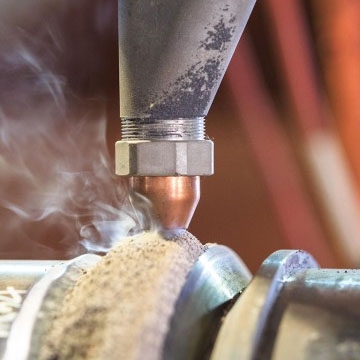
A Basic Welding Rod, commonly referred to as a low-hydrogen electrode, is distinguished primarily by its flux coating. This coating is rich in basic minerals such as calcium carbonate (limestone) and calcium fluoride (fluorspar), which are responsible for its unique properties. When these electrodes are used in arc welding, the basic flux creates a gaseous shield that effectively minimizes hydrogen absorption into the molten weld pool. Hydrogen is a significant culprit behind hydrogen embrittlement and cold cracking in welds, particularly in high-strength steels. By reducing hydrogen levels, basic electrodes significantly mitigate these risks, leading to welds with enhanced integrity.
Key Characteristics of Basic Welding Rods:
- Low Hydrogen Content: This is the most critical feature, ensuring high resistance to hydrogen-induced cracking.
- Excellent Mechanical Properties: Welds produced with basic electrodes exhibit superior tensile strength, yield strength, and impact toughness, even at sub-zero temperatures.
- Good Ductility: The resulting welds are generally more ductile, allowing for some deformation without fracturing.
- Deep Penetration: Basic electrodes typically provide good penetration, which is beneficial for thicker sections and root passes.
- All-Positional Welding: Many basic electrodes are designed for all-position welding, offering versatility in complex fabrication scenarios.
- Slag Characteristics: The slag produced is often heavy, easily detachable, and provides good protection to the weld pool during solidification.
The manufacturing process for the essential welding fluxes that coat these electrodes is meticulous. At Oldwelders, for instance, the raw materials of flux products, including excellent dolomite, bauxite, cryolite, silica, and fluorine ore, are melted at an extreme temperature of 2000 °C. This precise control over raw material quality and processing ensures the consistent performance and reliability of our welding consumables.
The Unique Composition and Properties of Basic Welding Rods
The performance of a basic welding rod is intrinsically linked to the careful balance of its core wire and flux coating. The core wire is typically made of mild steel or low-alloy steel, chosen to match the mechanical properties required for the base material being welded. However, it is the flux coating that truly dictates the electrode's behavior and the metallurgical outcome of the weld.
Detailed Flux Composition:
- Calcium Carbonate (CaCO₃) and Calcium Fluoride (CaF₂): These are the primary constituents, generating a basic slag that reacts with impurities in the weld metal, refining its microstructure and reducing oxygen and sulfur content. The calcium fluoride is particularly effective in forming a stable arc and releasing fluorine, which scavenges hydrogen.
- Deoxidizers and Denitrifiers: Elements like silicon and manganese are often added to the flux. They react with oxygen and nitrogen in the weld pool, forming stable oxides and nitrides that float into the slag, preventing porosity and improving mechanical properties.
- Alloying Elements: For welding low-alloy steels, alloying elements such as nickel, chromium, molybdenum, and vanadium may be incorporated into the flux. These transfer to the weld metal, enhancing its strength, toughness, and creep resistance.
- Arc Stabilizers: Potassium and sodium silicates are used to improve arc stability, especially when welding with alternating current (AC).
Understanding these components is crucial for welders as it directly impacts storage, handling, and welding technique. Basic electrodes are highly susceptible to moisture absorption, which can reintroduce hydrogen into the weld. Therefore, they must be stored in dry, heated ovens to maintain their low-hydrogen properties, a practice rigorously adhered to in our operations and recommended for all users of our welding materials.
Key Applications and Industries for Basic Welding Rods
Due to their superior mechanical properties and ability to produce high-integrity welds, basic welding rods are the preferred choice for critical applications across numerous heavy industries. Their suitability for demanding environments underscores their value in ensuring long-term structural reliability.
Common Applications Include:
- Heavy Fabrication and Structural Steel: Basic electrodes are extensively used for welding thick sections of structural steel in bridges, high-rise buildings, and heavy machinery frames. Their ability to minimize cracking and provide robust joints is essential for these load-bearing structures.
- Pressure Vessels and Boilers: In applications involving high pressure and temperature, such as those found in power generation and chemical processing plants, the high strength and ductility of welds produced by basic electrodes are critical for safety and operational longevity.
- Pipelines: For oil, gas, and water pipelines, especially those operating under high pressure or in challenging environments, basic rods are chosen for their ability to deliver strong, defect-free welds that can withstand significant stress and fatigue.
- Shipbuilding: The construction of marine vessels, from cargo ships to offshore platforms, relies heavily on basic electrodes for welding hull sections and other critical components, where resistance to impact and fatigue is paramount.
- Repair and Maintenance: Given their versatility and high-quality output, basic electrodes are also frequently used for the repair of heavy equipment, machinery, and worn parts, restoring them to operational integrity.
- Welding of Low-Alloy Steels: When welding specialized low-alloy steels that require specific mechanical properties or heat treatment, basic electrodes designed with appropriate alloying elements are indispensable.
To support these demanding applications, Oldwelders maintains a robust production capability. Our plant, covering an area of 1000 square meters, houses six production lines, enabling us to supply up to 100 tons of welding consumables a day. This capacity ensures that our partners in global markets, including Brazil, Thailand, Australia, and Malaysia, can rely on a consistent and timely supply of high-quality products.

Advantages, Limitations, and Best Practices for Basic Welding Rods
While the benefits of using a basic welding rod are substantial, particularly in critical applications, it is also important to acknowledge their limitations and adhere to specific best practices to maximize their effectiveness and ensure optimal weld quality.
Advantages:
- High Mechanical Properties: As noted, these electrodes produce welds with excellent strength, toughness, and ductility.
- Resistance to Cracking: The low hydrogen content significantly reduces the risk of hydrogen-induced cold cracking.
- Good Root Pass Capabilities: Many basic electrodes are well-suited for root passes, providing good penetration and fusion.
- Versatility: Can be used for a wide range of steels, including carbon, low-alloy, and some high-strength steels.
Limitations:
- Moisture Sensitivity: This is arguably the biggest drawback. Basic electrodes readily absorb moisture from the atmosphere, which can introduce hydrogen into the weld. Proper storage in heated ovens (typically at 100-150°C) is essential, and re-baking may be required if exposed for too long.
- Arc Characteristics: The arc produced by basic electrodes can be shorter and more forceful compared to rutile electrodes, requiring a skilled hand for consistent bead appearance. Slag removal, while generally good, might sometimes be more challenging in tight corners.
- Appearance: Welds made with basic electrodes may not always have the smoothest or most aesthetically pleasing finish compared to rutile types, though this is often secondary to mechanical properties in critical applications.
Best Practices for Usage:
- Proper Storage and Handling: Always store electrodes in dry, temperature-controlled environments. Follow manufacturer guidelines for re-baking if they have been exposed to atmospheric moisture.
- Clean Base Material: Ensure the workpiece is free from oil, grease, paint, rust, and excessive scale to prevent contamination of the weld pool.
- Correct Amperage and Polarity: Use the recommended amperage range and direct current reverse polarity (DCRP/DC+) for most basic electrodes to ensure proper penetration and arc stability.
- Short Arc Length: Maintain a short arc length to prevent excessive atmospheric contamination and maintain the low-hydrogen properties.
- Preheating and Post-heating: For certain high-strength steels or thick sections, preheating the base metal and applying post-weld heat treatment may be necessary to further reduce cracking risks and improve microstructure.
Partnering with Oldwelders for Quality Welding Materials
At Oldwelders, we understand the critical role that high-quality welding consumables play in the success of your projects. As an ISO 9001 certified company, our commitment to excellence is embedded in every stage of our manufacturing process, from raw material selection to final product inspection. We offer a comprehensive range of welding solutions, including welding machines, welding wires, and welding fluxes, designed to meet the diverse needs of industrial clients worldwide.
Our dedication to quality is matched by our operational efficiency. With a minimum order quantity (MOQ) of just 1 ton for certain products, we aim to support businesses of all sizes, ensuring access to premium materials. Our efficient logistics and production schedules mean that, for many orders, we strive for prompt delivery, understanding that "30 Days" from order to delivery is a crucial benchmark for our international clientele. Whether you are a fabricator in Brazil requiring robust structural electrodes or a manufacturer in Malaysia seeking reliable AWS E6013 Welding Electrodes, Oldwelders is equipped to be your trusted partner.