
Sourcing Wind Tower Welding Lines for Thick Shells
Effectively Sourcing Wind Tower Welding Lines for Thick Shell Fabrication
The global demand for renewable energy continues to accelerate, with wind power leading the charge. Central to the construction of modern wind turbines are the massive steel towers that support their rotors. As turbines grow in size and power output, the structural integrity of these towers becomes paramount, necessitating thicker steel shells and, consequently, more robust and precise welding processes. For manufacturers and project buyers, understanding how to source the right welding machine and complete production lines for these demanding applications is critical.
This guide provides a comprehensive overview for evaluating automated Wind Tower Welding cells, helping to translate complex tower geometry and stringent quality requirements into an RFQ-ready equipment specification. We delve into the technical considerations, procurement strategies, and supplier evaluation criteria essential for securing high-performance welding solutions for thick-shell wind towers.
Understanding the Demands of Thick Shell Wind Tower Welding
Fabricating wind tower sections, especially those with thick shells, presents a unique set of engineering and manufacturing challenges. These towering structures must withstand immense static and dynamic loads, including constant wind forces, vibrations, and environmental stresses. The integrity of every weld seam is therefore non-negotiable, directly impacting the tower's operational lifespan and safety.
The Specific Challenges of Thick Sections
- Material Thickness: Welding thick steel plates (often exceeding 50mm) requires high deposition rates, deep penetration, and controlled heat input to avoid defects.
- Material Properties: High-strength low-alloy (HSLA) steels are commonly used, which can be prone to hydrogen-induced cracking, lamellar tearing, and other metallurgical issues if not welded correctly.
- Distortion Control: Large heat inputs associated with thick-plate welding can lead to significant thermal distortion, requiring sophisticated techniques and equipment to mitigate.
- Fatigue Resistance: Wind towers are subject to millions of stress cycles over their lifetime. Welds must be free from defects that could act as stress concentrators, leading to fatigue failure.
- Stringent Quality Requirements: Every weld must meet rigorous international standards for mechanical properties, surface finish, and internal soundness, often verified by extensive non-destructive testing (NDT).
To address these challenges, manufacturers require welding lines that are not only powerful but also highly precise, reliable, and capable of repeatable performance. Partnering with suppliers who adhere to strict quality management systems, such as ISO 9001 certification, provides a foundational assurance of their commitment to delivering robust and compliant solutions.
Critical Welding Processes for Thick Shell Fabrication
For the primary longitudinal and circumferential seams of thick wind tower shells, specific welding processes are favored due to their efficiency and ability to produce high-quality welds:
- Submerged Arc Welding (SAW): This is the predominant method for heavy-section welding in wind tower fabrication. SAW offers high deposition rates, deep penetration, and excellent mechanical properties. It’s ideal for long, straight seams as it protects the arc from atmospheric contamination, leading to very clean welds. Advanced SAW systems often incorporate multiple wires (twin-wire, tandem-arc) to further boost productivity. For specialized applications, the use of high-quality welding fluxes like submerged arc welding flux hj431 is essential for achieving optimal metallurgical results.
- Narrow Gap Submerged Arc Welding (NG-SAW): An evolution of traditional SAW, NG-SAW is designed for exceptionally thick sections. By utilizing a much narrower groove angle, it significantly reduces the volume of welding materials needed (filler metal and flux) and minimizes heat input. This leads to less distortion, higher efficiency, and improved control over the weld pool.
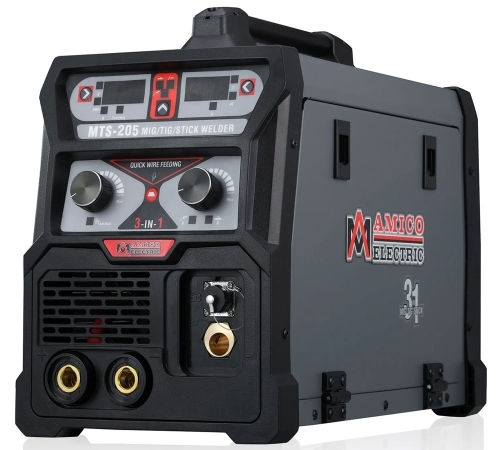
- Gas Metal Arc Welding (GMAW/MIG/MAG): While SAW handles the bulk of thick-shell welding, GMAW processes (like mig-mag-tig welding machine) might be used for tack welding, root passes in specific joint designs, or for welding thinner attachments to the tower sections.
Key Technical Specifications for Optimal Wind Tower Welding Lines
When sourcing a Wind Tower Welding line, a deep dive into technical specifications is paramount. The system must be engineered to handle the scale and precision required for thick-shell fabrication, integrating advanced automation and robust equipment.
Automation and Control Systems
Modern wind tower manufacturing relies heavily on automation to ensure consistency, repeatability, and high throughput. Key features include:
- Computer Numerical Control (CNC): For precise control over welding parameters, torch positioning, and travel speed, ensuring accurate and consistent weld beads along complex geometries.
- Seam Tracking Systems: Laser or tactile sensors are crucial for accurately following the joint line, compensating for any deviations in plate fit-up or material distortion.
- Adaptive Control: Systems that can automatically adjust welding parameters in real-time based on sensor feedback, maintaining optimal weld quality even with minor variations.
- Integrated Handling Systems: Full integration with fit-up stations, internal and external welding manipulators (column & boom), and automated growing lines for seamless production flow.
Welding Equipment Features
The core welding equipment must be heavy-duty and purpose-built for continuous operation on thick materials:
- High-Amperage Power Sources: Capable of delivering stable current and voltage for extended periods, essential for high-deposition SAW processes.
- Robust Wire Feeders: Designed to handle large diameter welding wires consistently, preventing feeding issues that could compromise arc stability.
- Flux Delivery and Recovery Systems: For SAW, efficient systems for delivering fresh flux to the weld pool and recovering unfused flux are vital for operational cleanliness and cost-effectiveness. The quality of the flux itself is critical; Oldwelders ensures this by using excellent raw materials such as dolomite, bauxite, cryolite, silica, and fluorine ore for its flux products, which are melted at 2000 °C to achieve superior metallurgical properties.
- Manipulators and Positioners: Heavy-duty turning rolls, column & boom manipulators with extended reach, and hydraulic fit-up beds are necessary for precise positioning and rotation of massive tower sections during welding.
Material Handling and Integration
The efficiency of a Wind Tower Welding line is not just about the welding itself, but also about how the large, heavy components are moved and aligned. This includes:
- Fit-Up Stations: Precise systems for aligning and tacking shell plates or tower sections before main welding.
- Section Growing Lines: Automated systems that combine individual tower sections into larger segments, ensuring concentricity and straightness.
- Internal Welding Systems: Specialized manipulators with internal welding heads for circumferential seams, often paired with external welders for simultaneous welding.
Preparing a Comprehensive Request for Quotation for Welding Systems
A well-structured Request for Quotation (RFQ) is the cornerstone of successful procurement. It ensures that potential suppliers fully understand your requirements and can propose solutions that meet your specific needs for Wind Tower Welding.
Defining the Scope and Requirements
- Tower Specifications: Clearly state the range of tower diameters, lengths, wall thicknesses, and steel grades you intend to fabricate. Include any special design features or joint types.
- Production Output: Specify target production rates, daily/monthly tonnage, and desired levels of automation. This helps suppliers size their proposed equipment appropriately.
- Quality Standards: Reference all applicable international welding codes (e.g., AWS, EN), material standards, and NDT requirements.
- Site Conditions: Provide details about the installation environment, available utilities, and space constraints.
Technical Requirements Checklist
Beyond the general scope, detail the specific technical features you expect:
- Welding Process Parameters: Desired amperage, voltage, travel speed ranges for various material thicknesses.
- Equipment Configuration: Number of welding heads, type of manipulators, power source capacities, and control system interface.
- Software Integration: Capability for data logging, process monitoring, and integration with existing MES/ERP systems.
- Safety Features: Emergency stop protocols, interlocks, fume extraction systems, and compliance with local safety regulations.
Service, Support, and Logistics
Consider the complete lifecycle of the equipment, not just its initial purchase:
- Installation and Commissioning: Clearly define the supplier's responsibilities for installation, calibration, and proving runs.
- Training: Specify the level and duration of training required for your operators and maintenance staff.
- Warranty and Spare Parts: Detail warranty terms and the availability of critical spare parts. Oldwelders, for instance, offers competitive lead times, with many orders ready to ship within 30 days, and a minimum order quantity (MOQ) of just 1 ton for its products, facilitating efficient procurement.
- Documentation: Require comprehensive manuals, circuit diagrams, and maintenance schedules.
Selecting a Reliable Partner for Your Wind Tower Welding Needs
Choosing the right supplier is as crucial as defining the technical specifications. A strong partnership ensures not only optimized equipment but also ongoing support and expertise. For Wind Tower Welding, this means finding a manufacturer with proven capabilities and a commitment to quality.
Experience and Industry Expertise
Look for suppliers with a demonstrated history in heavy fabrication and, specifically, in providing automatic welding machine lines for the wind energy sector. Their experience should reflect an understanding of the unique challenges of thick-shell welding and the stringent quality demands of wind tower components. A knowledgeable partner can offer valuable insights into process optimization and material compatibility.
Manufacturing Capabilities and Quality Assurance
Evaluate the supplier's own manufacturing facilities and their adherence to international quality standards. A robust quality management system, such as ISO 9001 certification, indicates a commitment to consistent product quality and continuous improvement. Oldwelders exemplifies this commitment; our plant covers an area of 1000 square meters and features six production lines, which can collectively supply 100 tons of product a day, demonstrating substantial manufacturing capabilities and efficiency.
Global Reach and Local Support
For international projects or manufacturers with global operations, a supplier with a strong global presence and support network is invaluable. This ensures timely delivery, local technical assistance, and an understanding of diverse market requirements. With a focus on markets such as Brazil, Thailand, Austrilia, and Malaysia, Oldwelders understands and caters to global manufacturing needs.
Customization and Flexibility
Every wind tower project may have unique requirements. A reliable partner should be able to offer customized welding solutions that precisely match your tower designs, production volumes, and budget. This includes adapting standard equipment configurations or developing bespoke systems where necessary.
After-Sales Service and Technical Support
The relationship with a supplier extends beyond the initial purchase. Excellent after-sales service, including readily available spare parts, expert technical support, and responsive maintenance, is critical for minimizing downtime and ensuring the long-term operational efficiency of your Wind Tower Welding line. Enquire about their service response times, availability of field technicians, and remote diagnostic capabilities.
In conclusion, sourcing Wind Tower Welding lines for thick shells is a complex undertaking that requires careful planning, detailed technical specification, and a strategic partnership with a capable and reliable supplier. By focusing on understanding the unique demands of thick-shell fabrication, meticulously detailing your technical requirements, and rigorously evaluating potential partners based on their experience, capabilities, and support, you can secure a welding solution that delivers superior quality, efficiency, and long-term value for your wind energy projects. Oldwelders stands ready as a professional and knowledgeable partner, offering comprehensive welding solutions tailored to the demanding requirements of the wind power industry.