
Optimize Wind Tower Welding Costs with Deposition Data
Optimize Wind Tower Welding Costs with Deposition-Rate Data
The global shift towards renewable energy sources has propelled wind power to the forefront, making efficient welding machine technologies and processes for wind tower fabrication more critical than ever. As operations leaders, you are tasked with not only meeting stringent quality standards but also driving down production costs to maintain competitiveness. A key, yet often underutilized, metric in achieving this balance is deposition rate data, which directly impacts the total cost of ownership (TCO) for your wind tower production lines. By strategically analyzing and optimizing deposition rates, manufacturers can unlock significant savings across labor, consumables, and overall operational efficiency.
At Oldwelders, we understand the complexities of heavy fabrication and the intense demands placed on modern welding materials. Our expertise is rooted in providing high-performance solutions that empower our clients, whether in Brazil, Thailand, Australia, or Malaysia, to achieve superior results. This article delves into how a focused approach on deposition-rate data can transform your wind tower welding operations from a cost center into a lean, highly efficient production hub.
The Critical Role of Deposition Rate in Wind Tower Welding Costs
Deposition rate refers to the amount of welding filler metal deposited into a weld joint over a specific period, typically measured in kilograms per hour (kg/hr) or pounds per hour (lb/hr). For large-scale projects like wind tower fabrication, where massive steel sections require extensive and often multi-pass welds, even marginal improvements in deposition rate can translate into substantial cost reductions and accelerated project timelines. Understanding and optimizing deposition rates is not merely about speed; it's about achieving significant cost reductions across the entire wind tower welding lifecycle.
Impact on Labor Costs
Labor constitutes a significant portion of welding costs. A higher deposition rate means fewer hours are required to complete a given weld joint. For example, if a welding process can deposit 5 kg/hr instead of 3 kg/hr, the time taken to deposit 100 kg of filler metal is reduced from approximately 33 hours to 20 hours. This directly cuts down on skilled labor expenses per tower. In an industry where skilled welders are a premium resource, maximizing their productivity through efficient processes is paramount.
Reducing Consumable Usage
While a higher deposition rate might seem to imply using more consumables, efficient processes often lead to optimized usage. When a weld is completed faster, there's less opportunity for rework due to inconsistencies, less waste from start-stop operations, and potentially better material utilization. High-quality welding fluxes and wires designed for high deposition can contribute to cleaner welds with fewer defects, further reducing the need for costly post-weld grinding and repair, which in turn reduces overall consumable consumption per finished product.
Optimizing Overhead and Energy Consumption
Every hour spent on the production floor incurs overhead costs, including facility rent, utilities, supervision, and administrative expenses. By reducing the total welding time per wind tower, you effectively reduce the overhead burden per unit. Furthermore, while welding machines consume significant energy, faster project completion means the equipment operates for fewer total hours to produce the same output, leading to lower overall energy bills for your wind tower welding operations. This is especially relevant for processes like Submerged Arc Welding (SAW), which is frequently used in heavy fabrication due to its high deposition capabilities, but also has significant energy demands.
Calculating Your True Cost Per Seam
Moving beyond anecdotal claims of productivity, a robust five-year Total Cost of Ownership (TCO) model provides a clear, data-driven perspective on the true economic impact of your welding investments. For wind tower fabrication, this means evaluating the cost per linear meter or per seam, factoring in all relevant variables over the expected lifespan of your equipment and processes. This approach is crucial for comparing line investments or process upgrades before capital approval or supplier negotiation.
To calculate the true cost per seam, consider the following components:
- Labor Cost: (Hourly Wage + Benefits) × (Hours per Seam / Deposition Rate).
- Consumable Cost: (Wire Cost/kg + Flux Cost/kg + Gas Cost/m³) × (kg/m of weld).
- Energy Cost: (Power Consumption of Machine/hr) × (Energy Cost/kWh) × (Hours per Seam).
- Equipment Depreciation: (Initial Equipment Cost - Salvage Value) / (Expected Lifespan in Seams).
- Maintenance & Repair: Annual M&R costs allocated per seam.
- Overhead: Fixed and variable overhead costs allocated per production hour, then per seam.
Higher deposition rates directly reduce the "Hours per Seam" variable, impacting labor, energy, and allocated overhead costs. This comprehensive calculation allows operations leaders to make informed decisions, demonstrating how an initial investment in higher-performance arc welding machine or premium consumables can lead to substantial long-term savings.
Optimizing Wind Tower Welding Processes for Maximum Efficiency
Achieving optimal deposition rates requires a multi-faceted approach, combining the right equipment, superior consumables, and skilled process management. Oldwelders provides the solutions and expertise to refine your wind tower fabrication processes.
Process Selection and Equipment
For the thick sections and long seams typical of wind towers, Submerged Arc Welding (SAW) is often the preferred method due to its high deposition rates and deep penetration. However, the specific automatic welding machine configuration, including single-wire, twin-wire, or tandem-arc setups, can significantly influence deposition. Tandem-arc SAW systems, for instance, can achieve deposition rates far exceeding single-wire processes, dramatically reducing welding time for longitudinal and circumferential seams.
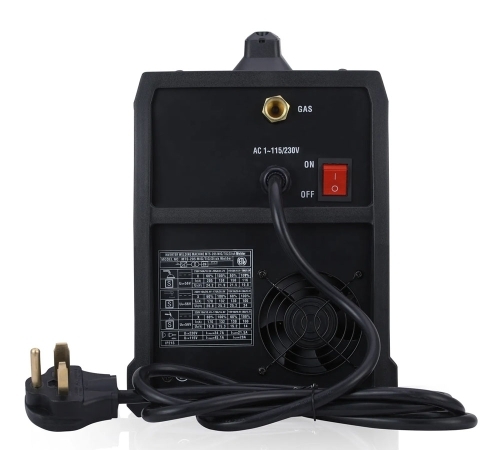
Oldwelders offers a range of robust high grade energy welding machine and specialized solutions designed to meet the rigorous demands of heavy industrial applications. Our machines are engineered for reliability and consistent performance, crucial for maintaining high deposition rates over long production runs.
Consumable Selection
The choice of welding materials—specifically the wire and flux combination—is paramount. Different wire chemistries and flux types are formulated to achieve varying deposition efficiencies and mechanical properties. For example, selecting a high-basicity flux with an appropriate wire can enhance arc stability and molten pool control, facilitating higher travel speeds and larger weld beads without compromising quality.
Our submerged arc welding flux HJ431 is an excellent example of a product engineered for high deposition rates in critical applications, delivering consistent quality and productivity. When combined with our precision-manufactured solid wire or flux-cored wire, it creates a formidable combination for maximizing throughput in wind tower welding.
Process Parameters and Training
Even with the best equipment and consumables, incorrect welding parameters can negate any potential gains. Optimizing voltage, amperage, travel speed, and electrode stick-out is crucial. Investing in operator training and continuous process monitoring ensures that these parameters are consistently adhered to, maximizing deposition rates while maintaining weld integrity. Regular calibration of equipment and ongoing quality control checks are also vital to ensure consistent performance.
Oldwelders' Commitment to Quality and Performance in Wind Tower Welding
At Oldwelders, we are not just a supplier; we are a partner dedicated to enhancing your operational efficiency and product quality. Our commitment is backed by tangible strengths and a deep understanding of industrial welding needs.
Certified Quality and Manufacturing Excellence
We operate under strict adherence to ISO 9001 standards, ensuring that every product leaving our facility meets the highest international benchmarks for quality management. This certification is a testament to our consistent processes and unwavering focus on customer satisfaction.
Our state-of-the-art plant covers an impressive area of 1000 square meters and is equipped with six production lines. This robust infrastructure enables us to maintain a substantial daily supply capacity of 100 tons, ensuring that your large-scale projects, including those in wind tower fabrication, are supported without delay. We understand time-sensitive production schedules, which is why we strive for efficient order fulfillment, typically achieving a lead time of 30 days for our products, with a minimum order quantity (MOQ) of just 1 ton to accommodate diverse project sizes.
Superior Raw Materials for Unmatched Performance
The quality of our welding fluxes begins with their raw materials. We meticulously select excellent dolomite, bauxite, cryolite, silica, fluorine ore, and other premium ores. These carefully chosen raw materials are then subjected to a high-temperature melting process at 2000 °C. This extreme thermal treatment ensures the purity and optimal chemical composition of our fluxes, which translates directly into superior arc stability, consistent mechanical properties, and, critically for wind tower welding, exceptional deposition rates and minimal spatter.
Global Reach and Support
Our commitment extends globally, with established relationships and a growing presence in key markets such as Brazil, Thailand, Australia, and Malaysia. We understand the unique challenges faced by manufacturers in these regions and tailor our solutions to meet their specific operational demands. For operations leaders in these and other regions, optimizing wind tower welding processes with accurate deposition-rate data can unlock substantial long-term savings and provide a competitive edge.
Conclusion
In the competitive landscape of wind tower fabrication, every efficiency gain translates directly into profitability. Focusing on deposition-rate data is a powerful strategy to cut costs, accelerate production, and enhance overall operational performance. By leveraging advanced welding machine technology, superior welding materials, and a data-driven approach to process optimization, manufacturers can achieve significant reductions in their total cost of ownership.
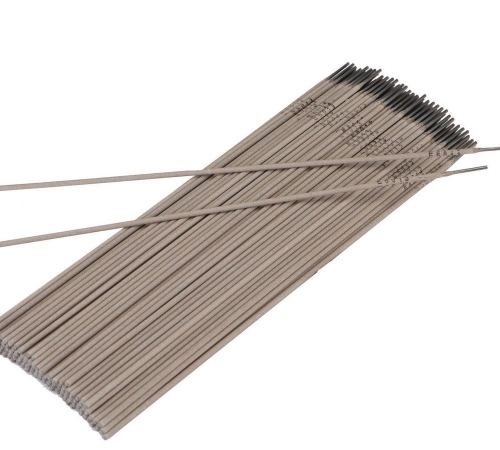
Oldwelders stands ready to be your trusted partner in this endeavor. With our ISO 9001 certified manufacturing, advanced production capabilities, and commitment to high-quality raw materials, we provide the reliable, high-performance welding solutions you need to thrive. Explore our range of welding materials, including wires, rods, and fluxes, and discover how our expertise can help you maximize efficiency and profitability in your wind tower welding operations.