
Sourcing Welding Cable for High-Amperage Welders
Optimizing Your Procurement Strategy: How to Source the Right Welding Cable for High-Amperage Welders
For any industrial operation relying on robust welding processes, the effectiveness and safety of the equipment hinge significantly on the quality of its components. Among these, the welding accessories play a crucial role, none more so than the power conductor that transmits electrical current from the power source to the electrode holder or workpiece clamp. Sourcing appropriate welding cable for high-amperage welders is a critical decision that impacts operational efficiency, safety, and long-term cost-effectiveness. This guide is designed to assist procurement teams in making informed choices, ensuring they acquire materials that meet stringent technical specifications and operational demands.
High-amperage welding applications, common in heavy fabrication, shipbuilding, and structural steelwork, demand conductors capable of safely and efficiently handling substantial electrical loads. Inadequate or improperly specified cables can lead to overheating, voltage drops, reduced weld quality, and significant safety hazards. Understanding the nuances of cable construction, material properties, and supplier capabilities is paramount for successful procurement.
Understanding Welding Cable Specifications for High-Amperage Demands
The technical specifications of these power conductors are not merely details; they are fundamental to performance. When sourcing, several key factors must be meticulously evaluated to ensure compatibility with high-amperage equipment and the specific working environment.
Cable Gauge and Current Capacity
The most fundamental aspect is the cable's gauge, which dictates its current-carrying capacity. High-amperage welders require larger gauge cables (smaller AWG or metric cross-sectional area numbers) to minimize resistance and heat generation. An undersized cable will overheat, potentially damaging the insulation and causing a significant voltage drop, which translates to reduced power at the arc and inconsistent weld quality. Procurement teams must consult manufacturer specifications for both the welding machine and the intended welding process to determine the precise amperage requirements. Factors such as the duty cycle of the welding machine and the ambient temperature of the operating environment also influence the required cable size.
Conductor Material: Copper's Role
The vast majority of high-quality welding cables utilize finely stranded copper conductors. Copper is favored for its excellent electrical conductivity, flexibility, and durability. The finer the strands, the more flexible the cable, which is a significant advantage in demanding industrial environments where cables are frequently moved and bent. While some alternatives exist, copper remains the industry standard for its superior performance in high-amperage applications. When evaluating conductor material, it is also important to consider the purity of the copper, as impurities can affect conductivity and overall performance.
Insulation and Jacket Materials: Durability and Safety
The insulation and outer jacket protect the conductor from physical damage, abrasion, chemicals, oil, and extreme temperatures. For high-amperage applications, robust insulation is critical. Common materials include:
- EPDM (Ethylene Propylene Diene Monomer): Known for excellent heat, abrasion, oil, and chemical resistance. It also maintains flexibility in cold temperatures, making it suitable for diverse environments.
- Neoprene: Offers good resistance to oil, chemicals, and flame, along with decent flexibility.
- PVC (Polyvinyl Chloride): While common, PVC is generally less flexible and less resistant to extreme temperatures and chemicals compared to EPDM or Neoprene, making it less ideal for very high-amperage, heavy-duty industrial use.
The choice of insulation material directly impacts the cable's lifespan and safety. Procurement should prioritize materials that can withstand the specific environmental challenges of their facility, ensuring compliance with relevant safety standards.

Sourcing Considerations for Reliable Welding Cable Suppliers
Beyond technical specifications, the selection of a supplier is equally important. A reliable supplier ensures consistent quality, adherence to standards, and dependable delivery. Oldwelders, for instance, emphasizes these aspects, providing assurance for global procurement needs.
Quality Certifications and Manufacturing Standards
A reputable manufacturer or supplier will hold relevant quality certifications. For example, Oldwelders operates under ISO 9001 certification, demonstrating a commitment to consistent quality management systems. This certification provides an independent assurance that the company adheres to internationally recognized standards for quality control in its production processes, including the manufacturing of various welding fluxes and other materials. Such certifications are crucial indicators of a supplier's capability to consistently deliver high-quality products that meet customer and regulatory requirements.
Production Capacity and Lead Times
For large-scale industrial operations or those with frequent procurement needs, a supplier's production capacity and ability to meet lead times are paramount. Oldwelders offers significant production capabilities; our plant covers an area of 1000 square meters and is equipped with six production lines, which collectively can supply 100 tons of product a day. This extensive capacity ensures that large orders, even those with a minimum order quantity (MOQ) starting from 1 ton, can be fulfilled efficiently. While general lead times are 30 days, specific project requirements can be discussed to align with production schedules, serving markets such as Brazil, Thailand, Australia, and Malaysia effectively.
Raw Material Quality and Traceability
The quality of the final product is inherently linked to the quality of its raw materials. For components like welding fluxes, the company utilizes excellent dolomite, bauxite, cryolite, silica, fluorine ore, and other carefully selected ores, which are melted at 2000 °C to achieve superior properties. While this specific detail pertains to flux products, it reflects a broader commitment to raw material excellence across all product lines, including welding wire, welding rod, and the electrode products, underscoring a meticulous approach to material selection that extends to the conductors and insulation materials used in our cables. Procurement teams should inquire about the raw material sourcing policies and traceability systems of potential suppliers.
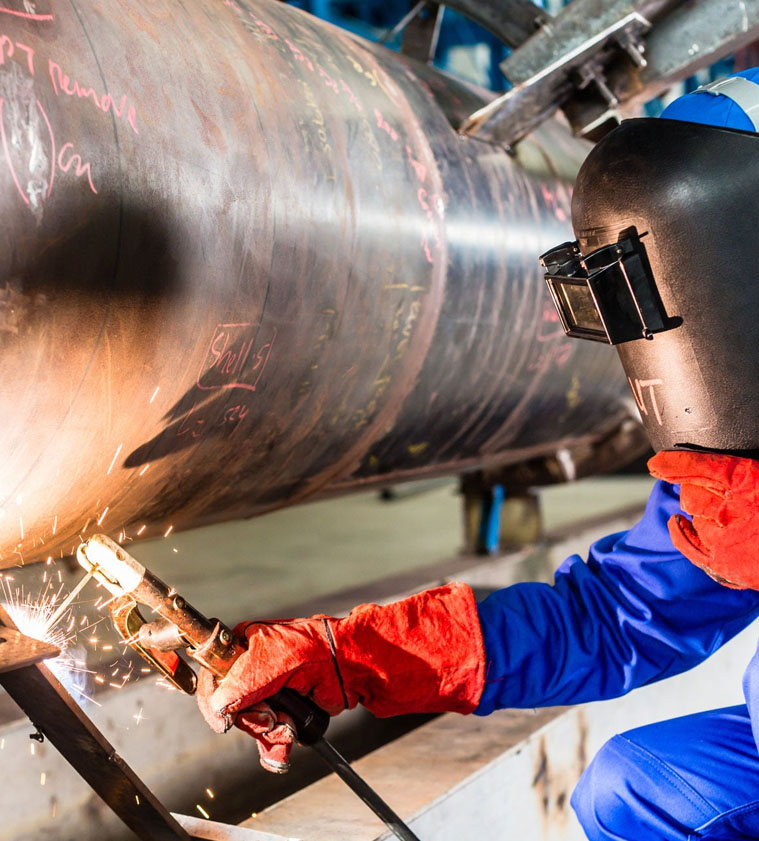
Technical Considerations for High-Performance Welding Cable
Beyond the basic specifications, advanced technical considerations can further optimize the performance and longevity of these critical leads in high-amperage applications.
Flexibility and Fatigue Resistance
In industrial settings, cables are often subjected to repeated bending, pulling, and abrasion. High flexibility, achieved through fine stranding of copper wire, is crucial not only for ease of use but also for resistance to fatigue. A flexible cable is less prone to internal conductor breakage or insulation cracking over time, especially in dynamic environments where automatic welding machine systems or robotic welders operate. Procurement professionals should look for cables designed for maximum flexibility without compromising current-carrying capacity.
Temperature Rating
All cables have a maximum operating temperature rating. For high-amperage welding, the cable itself generates heat due to resistance, and it may also be exposed to high ambient temperatures or radiant heat from the welding process. Selecting a cable with an appropriate temperature rating ensures that the insulation and conductor materials maintain their integrity under these conditions, preventing premature degradation and potential failure. This is particularly important for specialized applications, such as those involving high grade energy welding machine systems.
Environmental Resistance
The specific conditions of the welding environment dictate the required resistance properties of the cable jacket. Factors to consider include exposure to oils, greases, chemicals, UV radiation, ozone, moisture, and extreme hot or cold temperatures. For example, in outdoor applications, UV resistance is critical to prevent the jacket from becoming brittle and cracking. In shipyards or heavy manufacturing, resistance to oils and chemicals might be prioritized. A comprehensive understanding of the operational environment will guide the selection of the most suitable jacket material.
Procurement Best Practices for Welding Cable
Implementing structured procurement practices can streamline the sourcing process and ensure the acquisition of optimal products.
Detailed RFQ Preparation
When preparing a Request for Quotation (RFQ), provide comprehensive details regarding your technical requirements. This should include:
- Required gauge/cross-sectional area (AWG or mm²)
- Amperage rating and duty cycle
- Conductor material (e.g., stranded copper, oxygen-free copper)
- Insulation and jacket material (e.g., EPDM, Neoprene)
- Temperature rating
- Environmental resistance specifications (oil, chemical, abrasion, UV, flame)
- Required length and termination specifications (if applicable)
- Relevant industry standards (e.g., UL, CSA, IEC)
- Quantity and desired delivery timelines
Clarity in the RFQ minimizes misunderstandings and ensures that suppliers can provide accurate and competitive bids. For specialized welding processes, such as those performed by an arc welding machine or a resistance welding machine, specific cable requirements may vary, necessitating careful consideration of the application.
Supplier Evaluation and Audits
Beyond reviewing certifications, conduct thorough evaluations of potential suppliers. This can include factory audits to assess manufacturing processes, quality control procedures, and adherence to safety standards. Requesting samples for testing can also provide valuable insights into the actual performance and durability of the product. Engage with suppliers who demonstrate transparency and a willingness to provide detailed technical data and support.
Long-Term Partnership Approach
For critical components like these power conductors, fostering long-term relationships with reliable suppliers offers numerous benefits. It can lead to better pricing, preferential lead times, and enhanced technical support. A strong partnership ensures that the supplier understands your evolving needs and can proactively recommend solutions or improvements. This is particularly relevant for businesses operating in target markets such as Brazil, Thailand, Australia, and Malaysia, where consistent supply chain reliability is key.
Conclusion
Sourcing the correct welding cable for high-amperage welders is a strategic decision that underpins operational safety, efficiency, and ultimately, profitability. By meticulously considering technical specifications, evaluating supplier capabilities, and adhering to robust procurement best practices, procurement teams can ensure they acquire high-quality, durable, and reliable cables that perform optimally in demanding industrial environments. Partnering with reputable manufacturers like Oldwelders, who combine certified quality, substantial production capacity, and a commitment to material excellence, provides a solid foundation for meeting your industrial welding needs.