
Shielded Arc Electrode: Weld Protection Explained
Understanding How a Shielded Arc Electrode Provides Critical Weld Protection
In the expansive world of metal fabrication, the integrity of a weld joint is paramount. Achieving this integrity often relies on the precise application of various welding processes, with Shielded Metal Arc Welding (SMAW), commonly known as stick welding, remaining a cornerstone due to its versatility and robustness. At the heart of SMAW lies the electrode, a consumable rod that not only supplies filler metal but, more importantly, plays a sophisticated role in protecting the molten weld pool from atmospheric contamination. For welding engineers and fabricators, grasping the fundamental mechanisms by which a Shielded Arc Electrode safeguards the weld is essential for ensuring high-quality, durable results.
Oldwelders specializes in providing a comprehensive range of welding materials, including premium electrodes, designed to meet the rigorous demands of modern industrial applications. Our commitment to excellence is deeply rooted in our ISO 9001 certification, underscoring our dedication to consistent quality in every product we manufacture. This article delves into the intricate protective functions of the electrode, offering insights into its composition and how it contributes to the strength and longevity of welded structures.
The Core Principle of Shielded Metal Arc Welding (SMAW)
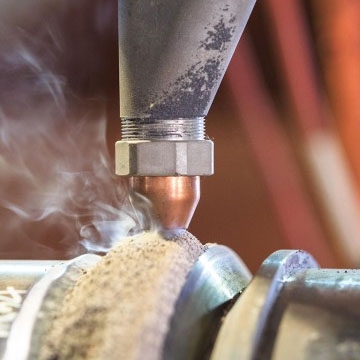
Shielded Metal Arc Welding is a process that uses an electric arc between a consumable electrode and the workpiece to melt and join metals. The heat generated by the arc melts both the electrode and the base metal, forming a molten weld pool. As the electrode is consumed, its core wire contributes filler metal to the joint, while its external coating undergoes a series of chemical and physical transformations that are critical for weld protection.
Without adequate protection, the molten weld pool would react readily with oxygen and nitrogen present in the surrounding atmosphere. These reactions would lead to porosity, embrittlement, and reduced mechanical properties in the final weld. The ingenious design of the Shielded Arc Electrode coating is precisely what prevents these detrimental interactions, creating a localized, controlled environment around the arc and weld pool.
The Multifaceted Protection from the Shielded Arc Electrode Coating
The chemical composition of the electrode coating is complex and proprietary to each manufacturer, but its primary functions are universal: to create a protective gas shield, form a slag layer, stabilize the arc, and, in some cases, introduce alloying elements. Understanding these functions is key to appreciating the engineering behind every quality electrode.
Gaseous Shielding: Displacing Atmospheric Contaminants
One of the immediate and most critical protective actions of the electrode coating occurs as soon as the arc is struck. The intense heat of the arc causes the organic and inorganic compounds within the coating to decompose and vaporize. This decomposition generates a cloud of inert or reducing gases, such as carbon dioxide, carbon monoxide, and hydrogen (in controlled amounts).
This gaseous shield envelops the arc and the molten weld pool, effectively displacing the surrounding air. By preventing oxygen and nitrogen from coming into contact with the molten metal, the gaseous shield acts as the first line of defense against atmospheric contamination. Nitrogen, for instance, can cause porosity and increase the hardness and brittleness of the weld metal, while oxygen can lead to oxidation and poor mechanical properties. The consistent and stable generation of this gas shield is a hallmark of a well-engineered electrode, ensuring a clean and sound weld deposit.
Slag Formation: A Liquid Blanket of Protection
In addition to providing a gaseous shield, the electrode coating also melts to form a layer of molten slag that covers the weld pool. This slag is typically composed of metallic oxides and silicates, which are lighter than the molten metal and float on top of the weld pool. The slag serves several vital protective roles:
- Physical Barrier: The molten slag acts as a physical barrier, further isolating the weld pool from exposure to the atmosphere. It continues to protect the metal as it solidifies and cools, a phase where the metal is still susceptible to oxidation and contamination.
- Slower Cooling Rate: The slag blanket insulates the weld, slowing down its cooling rate. This controlled cooling is crucial for allowing dissolved gases to escape, reducing the risk of porosity, and promoting a more favorable microstructure in the solidified weld metal, which can improve ductility and toughness.
- Shape and Contour Control: The viscosity and surface tension of the molten slag help to shape the weld bead, influencing its profile and appearance. This can be particularly beneficial in out-of-position welding, where the slag helps to hold the molten metal in place against gravity.
- Scavenging Impurities: Components within the slag can react with and absorb impurities from the molten metal, such as sulfur and phosphorus, effectively cleaning the weld pool and improving the metallurgical quality of the weld.
Once the weld has cooled sufficiently, the solidified slag can be easily removed, revealing a clean and protected weld bead. The ease of slag removal is often an indicator of electrode quality and formulation.
Arc Stabilization and Alloying Elements
Beyond shielding and slag formation, the electrode coating also contributes to arc stability. Ionizing elements within the coating, such as potassium and sodium, help to maintain a smooth and stable arc by promoting electrical conductivity across the arc gap. A stable arc is crucial for consistent heat input and a uniform weld bead.
Furthermore, some electrode coatings are formulated to introduce specific alloying elements into the weld metal. These elements can enhance the mechanical properties of the weld, such as strength, hardness, toughness, or corrosion resistance, making the weld metal match or even exceed the properties of the base material. The precise control over these alloying additions is a testament to the advanced material science involved in electrode manufacturing.
Oldwelders' Commitment to Quality and Performance
At Oldwelders, we understand that the performance of a Shielded Arc Electrode directly impacts the success of your projects. Our unwavering commitment to quality is reflected in our manufacturing processes and the meticulous selection of raw materials. Our state-of-the-art production facility, spanning 1000 square meters and housing six production lines, boasts an impressive daily capacity of 100 tons. This allows us to consistently meet the demands of our global clientele while maintaining stringent quality control.
The raw materials utilized in our welding fluxes—a critical component of our electrodes—are sourced for their exceptional purity and performance. We use excellent dolomite, bauxite, cryolite, silica, and fluorine ore, which are carefully melted at 2000 °C to create the highest quality welding fluxes. This precision in material processing ensures that our electrodes provide superior arc stability, consistent shielding, and optimal slag formation, leading to sound and reliable welds every time.
We proudly serve diverse markets globally, including Brazil, Thailand, Australia, and Malaysia, providing tailored solutions for various industrial applications. Our flexible manufacturing capabilities enable us to support businesses with a minimum order quantity (MOQ) of just 1 ton, and for many custom orders, we maintain a competitive lead time of 30 days. Whether you require standard welding rods or specialized consumables, Oldwelders delivers products engineered for excellence.
Selecting the Optimal Shielded Arc Electrode for Your Application
Choosing the correct electrode is paramount for achieving desired weld quality and efficiency. Several factors influence this selection:
- Base Metal Type: The type of metal being welded (e.g., mild steel, stainless steel, cast iron) dictates the electrode's core wire composition.
- Welding Position: Electrodes are designed for specific welding positions (flat, horizontal, vertical, overhead). Some are all-position, while others are limited.
- Power Source: Electrodes are formulated for AC, DC+, or DC- power sources, or a combination thereof.
- Mechanical Property Requirements: The desired strength, ductility, and toughness of the weld metal will guide the selection of an electrode with appropriate alloying elements.
- Joint Design and Thickness: The geometry of the joint and the thickness of the base materials can influence the choice of electrode diameter and type to ensure proper penetration and fill.
For instance, an AWS E6013 Welding Electrode is known for its versatility and smooth arc, suitable for general purpose welding, while other types are designed for high-strength or specific metallurgical properties. Consulting with our knowledgeable team can assist in identifying the ideal electrode from our extensive product line, which also includes various welding machine options and other essential welding accessories.
Conclusion
The Shielded Arc Electrode is far more than just a source of filler metal; it is a meticulously engineered component that performs multiple critical functions to protect the molten weld pool and ensure the integrity of the finished weld. Through its ability to generate a protective gaseous shield, form a robust slag layer, stabilize the arc, and introduce beneficial alloying elements, the electrode safeguards the weld from atmospheric contamination and contributes significantly to its mechanical properties and longevity.
At Oldwelders, we are dedicated to manufacturing high-performance welding consumables that empower fabricators and engineers to achieve superior results. Our commitment to ISO 9001 standards, coupled with our advanced production capabilities and premium raw materials, ensures that every electrode we produce delivers consistent quality and reliability. By understanding the protective mechanisms of these vital tools, you can make informed decisions to optimize your welding operations and achieve durable, high-quality welds.