
Shielded Arc Electrode: Preventing Porosity by Matching Coating
Optimizing Your Welds: Preventing Porosity by Matching Shielded Arc Electrode Coating to Polarity
Porosity stands as one of the most common and critical defects encountered in welding, significantly compromising the structural integrity and aesthetic appeal of a weldment. It manifests as small voids or gas pockets within the solidified weld metal, which are typically caused by gases becoming entrapped during solidification. These gases originate from various sources, including atmospheric contamination, moisture in the welding materials, or improper shielding. For welders and quality assurance teams, understanding and mitigating porosity is paramount to ensuring durable and reliable joints. Before considering changes to consumables, a thorough review of process parameters, particularly the interaction between the shielded arc electrode coating and electrode polarity, can often provide effective and immediate solutions.
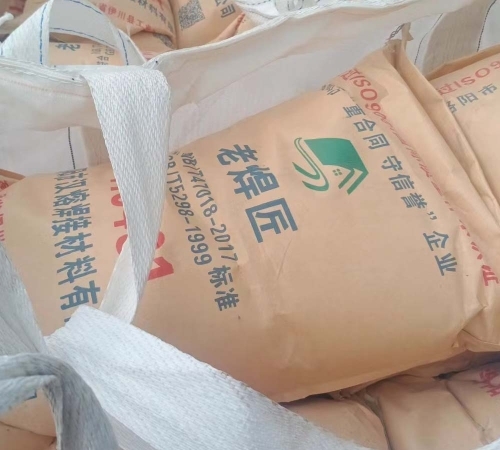
At Oldwelders, we understand the intricate science behind flawless welds. As an ISO 9001 certified manufacturer, our commitment to quality extends from producing superior welding machines and electrodes to providing expert knowledge that empowers our customers. Our state-of-the-art plant, covering an area of 1000 square meters and equipped with six production lines, is designed to supply up to 100 tons of welding fluxes a day. The raw materials for our flux products, such as excellent dolomite, bauxite, cryolite, silica, and fluorine ore, are melted at 2000 °C to ensure exceptional purity and performance. This rigorous production process guarantees the quality of our products, which are trusted in diverse markets including Brazil, Thailand, Australia, and Malaysia.
Understanding Porosity and Its Causes in Welding
Porosity, fundamentally, is the presence of gas pockets within the solidified weld metal. These pockets weaken the weld, reduce its fatigue strength, and can serve as initiation points for cracks under stress. Identifying the root causes is the first step toward prevention. Common culprits include:
- Inadequate Shielding Gas: Insufficient flow, drafts, or improper setup can lead to atmospheric contamination (nitrogen, oxygen) entering the weld pool.
- Moisture Contamination: Moisture, either in the electrode coating, base metal, or shielding gas, decomposes under arc heat to produce hydrogen, a major cause of porosity. Hydrogen is highly soluble in molten metal but has low solubility in solid metal, leading to its expulsion as gas bubbles during solidification.
- Base Metal Contaminants: Rust, oil, grease, paint, or excessive scale on the base metal can decompose during welding, releasing gases that become trapped.
- Incorrect Welding Parameters: Travel speed too fast or too slow, incorrect current, or improper arc length can all contribute to poor gas shielding and inadequate time for gases to escape.
- Insufficient Deoxidizers: The absence or insufficient amount of deoxidizing elements (like silicon and manganese) in the electrode or filler metal can lead to the formation of gas oxides, increasing porosity.
While many factors contribute to porosity, a critical and often overlooked aspect is the interaction between the shielded arc electrode coating and the selected polarity. This relationship directly influences arc stability, penetration, and the molten pool's behavior, all of which are vital for preventing gas entrapment.
The Critical Role of Shielded Arc Electrode Coatings
The coating on a Shielded Arc Electrode is far more than just a binder for core wire. It performs several vital functions during the welding process, directly impacting weld quality and the potential for porosity. These functions include:
- Arc Stabilization: Coatings contain ionizing elements that make the arc more stable and easier to strike.
- Shielding Gas Generation: As the coating burns, it produces a gas shield around the arc and weld pool, protecting the molten metal from atmospheric contamination. This is crucial for preventing oxygen and nitrogen from dissolving into the weld.
- Slag Formation: The molten coating forms a slag layer over the solidifying weld metal. This slag protects the hot metal from the atmosphere, slows down cooling (allowing more time for gases to escape), and refines the weld metal.
- Deoxidizers and Alloying Elements: Many coatings contain deoxidizers (e.g., silicon, manganese) to scavenge oxygen from the weld pool, preventing oxide inclusions and gas formation. Alloying elements can also be introduced to enhance mechanical properties.
- Controlling Penetration and Bead Shape: Coating type significantly influences the arc force and metal transfer, thereby affecting penetration depth and bead profile.
Different types of electrode coatings, such as cellulosic, rutile, and basic, are designed for specific applications and exhibit distinct behaviors:
- Cellulosic (e.g., E6010, E6011): These electrodes contain a high percentage of organic cellulose. They produce a deep penetrating arc, a fast-freezing slag, and a significant amount of hydrogen in the arc atmosphere due to the decomposition of cellulose. While excellent for root passes and out-of-position welding, the hydrogen generation makes them more susceptible to hydrogen-induced porosity if not managed correctly.
- Rutile (e.g., E6013, E7014): Characterized by a high titanium dioxide content, rutile electrodes offer a smooth, stable arc, easy slag removal, and good bead appearance. They are forgiving and suitable for general-purpose welding, but their relatively fluid slag can sometimes trap gas if cooling is too rapid or parameters are off. They produce less hydrogen than cellulosic types.
- Basic (e.g., E7018, E7024): These coatings are rich in calcium carbonate and fluorides (limestone and fluorspar). Basic electrodes produce a tough, ductile weld metal with low hydrogen content, making them ideal for critical applications where hydrogen-induced cracking and porosity must be minimized. They require careful handling and storage to prevent moisture pick-up.
The choice of coating directly influences how the electrode interacts with different polarities, and understanding this interaction is key to preventing defects.
Polarity Selection: DC+ vs. DC- vs. AC
The choice of welding current (Direct Current Electrode Positive - DCEP or DC+, Direct Current Electrode Negative - DCEN or DC-, or Alternating Current - AC) profoundly affects the welding arc's characteristics, including heat distribution, penetration, and deposition rate. This selection is crucial when pairing with a specific shielded arc electrode to achieve optimal results and avoid porosity.
Direct Current Electrode Positive (DCEP / DC+)
In DCEP, the electrode is connected to the positive terminal of the arc welding machine, and the work piece to the negative. This configuration directs approximately two-thirds of the arc heat to the electrode and one-third to the work piece. DCEP typically results in:
- Deep Penetration: The concentrated heat at the electrode tip leads to a stronger, more focused arc, driving deeper penetration into the base metal.
- Stable Arc: Generally provides a very stable arc due to the consistent flow of electrons from the work to the electrode.
- Good Cleaning Action: The electron flow from the work piece helps to clean the surface, beneficial for removing light oxides.
For electrodes like E7018 (low hydrogen/basic), DCEP is the preferred polarity. The deep penetration helps to drive out gases, and the stable arc supports the transfer of low-hydrogen weld metal, minimizing porosity risks associated with hydrogen.
Direct Current Electrode Negative (DCEN / DC-)
Conversely, in DCEN, the electrode is connected to the negative terminal and the work piece to the positive. Here, approximately two-thirds of the arc heat is concentrated on the work piece, and one-third on the electrode. DCEN offers:
- Faster Melt-off Rate: The electrode melts faster due to less heat concentration, leading to higher deposition rates.
- Shallower Penetration: The heat is more spread out on the work piece, resulting in broader and shallower penetration.
- Less Base Metal Dilution: Beneficial for surfacing or when minimizing mixing with the base metal is desired.
Electrodes like E6010 and E6011 (cellulosic) can be run on DCEN for certain applications, especially where a faster melt rate and less penetration are needed, such as thin sheet metal. However, due to the inherent hydrogen liberation with cellulosic electrodes, careful technique is required to prevent porosity. Other electrodes, like certain rutile types (e.g., E6013), can also be used with DCEN for specific applications requiring a smoother, softer arc and minimal penetration.
Alternating Current (AC)
AC welding involves a rapid reversal of current direction, typically 50 or 60 times per second. This constant switching between DCEP and DCEN characteristics offers:
- Arc Blow Mitigation: AC helps to counteract magnetic arc blow, which can be a problem with DC welding in certain joint configurations or with magnetic materials.
- Intermediate Penetration and Deposition: AC generally provides a balance between the penetration of DCEP and the deposition rate of DCEN.
- Versatility: Suitable for a wide range of applications and electrodes that are designed for AC operation.
Many rutile electrodes (E6013) and some basic electrodes (E7018-AC) are formulated to run effectively on AC. AC can be particularly useful in preventing porosity in situations where arc blow might disrupt the shielding gas or weld pool, leading to gas entrapment. However, AC arcs can sometimes be less stable than DC, requiring electrodes with specific arc stabilizers in their coatings.
Matching Electrode Type to Polarity for Optimal Results and Porosity Prevention
The synergy between the shielded arc electrode’s coating type and the chosen polarity is fundamental to achieving high-quality, porosity-free welds. Misalignment in this pairing can exacerbate porosity issues, while correct matching significantly enhances the chances of a sound weld.
Cellulosic Electrodes (e.g., E6010, E6011)
- Recommended Polarity: Primarily DCEP (DC+), though E6011 is AC-compatible.
- Why: DCEP provides the deep penetration and forceful arc characteristic of cellulosic electrodes. This deep penetration helps to burn out contaminants and produce a clean root pass. While these electrodes generate a significant amount of hydrogen, the forceful arc and fast-freezing slag help to expel some of these gases before solidification.
- Porosity Prevention: When using cellulosic electrodes, ensure proper joint preparation to remove moisture and contaminants. Maintain a short arc length to reduce exposure to the atmosphere. For E6011 on AC, the arc blow mitigation can be beneficial, but consistent travel speed is crucial to allow gases to escape.
Rutile Electrodes (e.g., E6013)
- Recommended Polarity: AC or DCEN (DC-).
- Why: Rutile coatings are designed for a smooth, stable arc, making them highly versatile. On AC, they benefit from arc stability and ease of striking. On DCEN, they offer a soft arc, shallow penetration, and good bead appearance, which is ideal for thin materials or where cosmetic appearance is critical. The lower heat input on the electrode (with DCEN) can also contribute to a smoother metal transfer.
- Porosity Prevention: Rutile electrodes are generally less prone to hydrogen porosity than cellulosic types. However, their fluid slag can sometimes trap gases. To prevent this, ensure adequate travel speed to allow the gas to escape before the slag solidifies. Proper pre-cleaning of the base metal is also essential, as the softer arc has less cleaning action than DCEP. For general-purpose welding, an AWS E6013 welding electrode is an excellent choice due to its versatility across different polarities.
Basic Electrodes (e.g., E7018)
- Recommended Polarity: DCEP (DC+), though some variants are AC-compatible (e.g., E7018-AC).
- Why: Basic electrodes are formulated to produce low-hydrogen weld deposits, critical for high-strength steels and structural applications where hydrogen-induced cracking and porosity are major concerns. DCEP provides the necessary deep penetration and stable arc for these electrodes, ensuring the robust weld metal properties are achieved. The arc force helps to drive out any potential gas entrapment.
- Porosity Prevention: The primary concern with basic electrodes is moisture absorption, which can negate their low-hydrogen benefits. Always store these electrodes in heated ovens according to manufacturer specifications. If they become damp, re-bake them. Maintain a short arc length and proper travel speed. The deep penetration of DCEP helps in gas expulsion, but inadequate pre-heat or excessive travel speed can still lead to issues. Oldwelders ensures the integrity of our welding fluxes and electrodes from manufacturing, where our raw materials are melted at 2000 °C, through to delivery, with a minimum order quantity (MOQ) of 1 ton and a lead time of 30 days to countries like Brazil and Australia.
Practical Steps to Minimize Porosity and Enhance Weld Quality
Beyond matching the shielded arc electrode and polarity, several practical steps can be implemented to further reduce the risk of porosity and improve overall weld quality:
1. Thorough Surface Preparation
Cleanliness is paramount. Before welding, ensure the base metal is free from rust, scale, oil, grease, paint, and excessive moisture. These contaminants decompose under arc heat, releasing gases that can become trapped in the weld pool. Grinding, wire brushing, or solvent cleaning are effective methods. For specific applications requiring welding fluxes, ensure they are applied correctly and are free from contaminants.
2. Proper Electrode Storage and Handling
Moisture is a primary enemy, especially for low-hydrogen electrodes. Store electrodes in dry, controlled environments, preferably in heated ovens to prevent moisture absorption. Follow manufacturer recommendations for storage temperatures and re-baking procedures for any electrodes that have been exposed to humidity. This is particularly vital for basic electrodes, where the low-hydrogen characteristic is critical.
3. Optimize Welding Parameters
- Current: Use the manufacturer's recommended amperage range for the specific electrode and diameter. Too low current can lead to an unstable arc and poor fusion, while too high current can cause excessive spatter, overheating, and difficulty controlling the weld pool.
- Arc Length: Maintain a consistent and appropriate arc length. Too long an arc exposes the weld pool to the atmosphere for a longer duration, increasing the risk of contamination and porosity. A short, tight arc provides better shielding.
- Travel Speed: Ensure a consistent travel speed. Too fast a speed doesn't allow sufficient time for gases to escape before the weld metal solidifies. Too slow a speed can lead to excessive heat input, a very fluid weld pool that struggles to hold its shape, or even burn-through, which can also trap gases.
- Electrode Angle: Maintain the correct electrode angle (typically a slight drag or push angle, depending on the process and material) to ensure proper shielding gas coverage and optimal weld pool control.
4. Environmental Control
Minimize drafts in the welding area, which can disrupt the shielding gas and expose the molten weld pool to atmospheric contaminants. Consider using screens or tents in windy conditions. Ensure adequate ventilation to remove welding fumes without creating excessive drafts.
5. Use High-Quality Welding Consumables
Always use high-quality welding electrodes, wires, and fluxes from reputable suppliers. Inferior materials may contain impurities or have coatings that are prone to moisture absorption or generate excessive gases. Oldwelders is dedicated to providing premium MIG-MAG-TIG welding machines and high-grade consumables, ensuring consistent performance and reliability for our global customers.
6. Operator Skill and Training
Experienced and well-trained welders are crucial for preventing defects. Regular training and adherence to established welding procedures can significantly reduce the occurrence of porosity. Practice in controlling arc length, travel speed, and electrode manipulation is key.
Conclusion
Preventing porosity in welding is a multifaceted endeavor that requires a comprehensive understanding of metallurgy, process parameters, and consumable characteristics. Among the various preventative measures, correctly matching the shielded arc electrode coating type to the appropriate polarity stands out as a fundamental principle that directly influences weld integrity. By understanding how cellulosic, rutile, and basic electrodes behave under DCEP, DCEN, or AC currents, welders and QA teams can make informed decisions that optimize arc stability, penetration, and gas expulsion, thereby significantly reducing the risk of porosity.
At Oldwelders, we pride ourselves on being more than just a supplier; we are a partner in your welding success. Our commitment to ISO 9001 standards, coupled with our rigorous manufacturing processes and extensive quality control, ensures that every product, from welding machines to welding fluxes, meets the highest industry benchmarks. With a minimum order quantity of just 1 ton and efficient lead times, typically 30 days, we are equipped to support your operations worldwide, delivering the reliable, high-performance welding solutions your business demands.