
Covered Electrode Checks for Stable Arc Welding
Ensuring Arc Stability: Essential Checks for Your Covered Electrode
Arc instability is a persistent challenge in Shielded Metal Arc Welding (SMAW), leading to inconsistent weld quality, increased rework, and reduced productivity. For shop supervisors and welders, understanding the root causes and implementing effective corrective actions is paramount. While various factors can contribute to erratic arc behavior, the covered electrode itself often plays a more significant role than commonly perceived. This comprehensive guide will delve into the critical checks and considerations for your covered electrode to help diagnose and resolve arc instability, ensuring a smoother, more reliable welding process.
At Oldwelders, we understand the demands of industrial welding. As an ISO 9001 certified manufacturer, our commitment to quality extends to every aspect of our welding materials, including welding rods and fluxes. Our detailed insights are designed to empower your team with the knowledge to optimize your welding operations.
The Critical Role of the Covered Electrode in Arc Stability
The covered electrode is far more than just a consumable; it is a meticulously engineered component designed to facilitate a stable arc, protect the weld pool, and contribute to the mechanical properties of the finished joint. Its core wire conducts the welding current, while the flux coating performs several vital functions:
- Arc Stabilization: The flux contains ionizing agents that help to sustain a steady arc by providing conductive paths for the welding current.
- Shielding Gas Generation: As the flux melts, it decomposes to produce shielding gases, displacing atmospheric oxygen and nitrogen that could contaminate the weld.
- Slag Formation: The molten flux forms a protective slag layer over the weld pool, which insulates the weld, slows its cooling rate to prevent cracking, and helps to shape the bead.
- Deoxidization and Alloying: Certain elements in the flux act as deoxidizers, cleaning the weld metal, while others introduce alloying elements to enhance material properties.
Any compromise to the integrity or composition of the covered electrode can directly impair these functions, leading to an unstable arc. This instability manifests as erratic arc wander, sputtering, excessive spatter, and difficulty in maintaining a consistent arc length. Ultimately, this results in poor penetration, porosity, undercutting, and other defects that compromise weld strength and appearance.
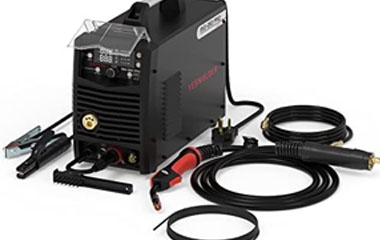
Identifying Covered Electrode Issues That Lead to Arc Instability
Diagnosing arc instability often begins with inspecting the covered electrode itself. Several common issues can arise, each contributing to erratic arc behavior.
Moisture Contamination of the Flux Coating
Perhaps the most prevalent cause of arc instability related to electrodes is moisture absorption. The flux coating of many electrodes, particularly those designed for low-hydrogen applications, is hygroscopic, meaning it readily absorbs moisture from the atmosphere. When a moisture-laden electrode is used:
- The absorbed water vaporizes rapidly in the intense heat of the arc, leading to excessive hydrogen gas in the arc column.
- This hydrogen can cause arc sputtering, porosity in the weld metal, and an erratic arc that is difficult to control.
- In severe cases, hydrogen can also lead to hydrogen-induced cracking (HIC), a delayed fracture mechanism in the finished weld.
It is crucial to store electrodes in dry, temperature-controlled environments, and to re-bake them according to manufacturer specifications if they have been exposed to moisture.
Damaged or Chipped Flux Coating
The flux coating is delicate and can be damaged during handling, transport, or storage. Cracks, chips, or areas where the coating has flaked off can severely impact arc stability:
- A compromised coating disrupts the uniform flow of shielding gases, allowing atmospheric contamination into the arc zone.
- The absence of flux in certain areas means a loss of arc stabilizers, leading to an inconsistent arc path.
- This often results in localized porosity, poor slag coverage, and increased spatter, making it challenging to achieve a smooth, consistent bead.
Visually inspecting each electrode for coating integrity before use is a simple yet effective preventative measure.
Improper Electrode Composition or Type
Using the wrong type of covered electrode for a specific application or base metal can also manifest as arc instability. Different electrodes are formulated with varying flux compositions to suit different welding positions, current types (AC/DC), and base metals:
- An electrode designed for DC welding might perform poorly or erratically with an AC arc welding machine, and vice versa.
- Attempting to weld in an out-of-position scenario with a flat-position-only electrode will lead to poor puddle control and an unstable arc.
- The chemical composition of the flux also affects the electrical characteristics of the arc, with certain formulations providing inherently more stable arcs for specific processes.
Always consult welding procedure specifications (WPS) or electrode manufacturer guidelines to ensure the correct electrode type is selected for the job.
Oxidation or Rust on the Core Wire
While less common with properly stored electrodes, oxidation or rust on the exposed core wire can also affect arc initiation and stability. Rust acts as an electrical insulator, making it harder to strike an arc and potentially leading to an erratic start. Once the arc is established, contaminants might also interfere with the arc column.
Comprehensive Inspection and Storage for Optimal Covered Electrode Performance
Proactive measures in electrode handling and inspection are vital for maintaining arc stability and weld quality. Implementing a robust protocol for managing your covered electrode inventory can significantly reduce issues related to arc instability.
Pre-Use Visual Inspection Protocol
Before any welding machine is fired up, a quick visual inspection of the electrode can prevent many headaches:
- Examine the Flux Coating: Look for any signs of chipping, cracking, or flaking. The coating should be uniform and intact along the entire length of the electrode. Pay close attention to the striking end and the holder end.
- Check for Moisture: While not always visible, a dull, chalky appearance or excessive dust on the coating can indicate moisture absorption. If in doubt, follow re-baking procedures.
- Assess Core Wire Condition: Ensure the core wire is clean and free from rust or contaminants.
- Verify Electrode Type and Size: Confirm that the electrode type (e.g., E6010, E7018) and diameter match the welding procedure requirements.
Proper Storage and Re-Baking Procedures
Effective storage is the cornerstone of electrode quality. Oldwelders emphasizes the importance of adherence to manufacturer guidelines:
- Hermetically Sealed Packaging: Electrodes should be stored in their original, sealed packaging until ready for use.
- Storage Ovens/Cabinets: Once opened, electrodes, especially low-hydrogen types, must be stored in heated welding accessories such as electrode ovens or warm storage cabinets to maintain dryness at recommended temperatures (e.g., 250-300°F or 120-150°C).
- Re-Baking: If electrodes have been exposed to the atmosphere for longer than permitted "exposure times" (often 4-9 hours for low-hydrogen types), they must be re-baked in a specialized oven. Re-baking temperatures and durations (e.g., 650-800°F or 340-430°C for 1-2 hours) are critical and must strictly follow the manufacturer's specifications to drive out moisture without damaging the flux. Never re-bake more than the manufacturer allows, as it can degrade the flux properties.
Handling Best Practices
Even with proper storage, careless handling can damage electrodes:
- Avoid dropping or bending electrodes.
- Do not allow electrodes to come into contact with grease, oil, or other contaminants.
- Transport electrodes in appropriate containers to prevent damage.
Advanced Troubleshooting: Beyond the Covered Electrode
While the covered electrode is often a primary suspect for arc instability, it's essential to remember that other factors in the welding setup can contribute. A holistic troubleshooting approach is always best.
Welding Machine Settings and Condition
The welding machine itself plays a crucial role. Issues with power supply, current, and voltage settings can directly impact arc stability:
- Amperage and Voltage: Too low amperage can lead to an unstable, difficult-to-maintain arc, while too high can cause excessive spatter and burn-through. Voltage settings also need to be within the electrode's recommended range.
- Polarity: Incorrect polarity (DC+ vs. DC- or AC) for the specific electrode type will lead to severe arc instability.
- Machine Malfunctions: Faulty internal components, loose connections, or inadequate grounding within the arc welding machine can cause erratic power delivery to the arc. Regularly inspect cables, connections, and grounding clamps.
Workpiece Contamination
The condition of the base metal significantly affects arc stability and weld quality. Rust, paint, oil, grease, moisture, or mill scale on the workpiece can contaminate the weld pool and interfere with the arc, causing porosity, lack of fusion, and an unstable arc. Always ensure the joint area is clean and dry before welding.
Welder Technique
Even with perfect equipment and electrodes, poor technique can lead to arc instability. Factors such as:
- Arc Length: Maintaining a consistent, short arc length is crucial for most SMAW processes. Too long an arc leads to instability, increased spatter, and reduced shielding.
- Travel Speed: Inconsistent travel speed can cause variations in penetration and bead profile, affecting arc stability.
- Electrode Angle: The correct electrode angle ensures proper shielding gas coverage and slag removal.
Experienced welders are adept at recognizing and correcting these technique-related issues quickly.
Partnering with Oldwelders for Reliable Welding Materials
At Oldwelders, we are dedicated to providing high-quality welding materials and equipment that meet the stringent demands of industrial applications. Our commitment to quality is evident in our ISO 9001 certification, ensuring that every product, from welding machine to welding rod, adheres to global standards.
Our manufacturing facility, spanning 1000 square meters, houses six production lines with the capacity to supply up to 100 tons of product per day. This robust infrastructure allows us to consistently meet the demands of our diverse clientele in markets such as Brazil, Thailand, Australia, and Malaysia. For our welding fluxes and flux-cored products, we utilize excellent raw materials like dolomite, bauxite, cryolite, silica, and fluorine ore, which are melted at precise temperatures of 2000 °C to ensure superior performance and arc stability.
We understand that B2B clients require dependable supply chains. With a minimum order quantity of just 1 ton and a lead time of 30 days for most orders, we are structured to support your production schedules efficiently. When you choose Oldwelders, you are partnering with a manufacturer that prioritizes consistency, quality, and customer satisfaction, helping you to mitigate issues like arc instability and achieve optimal welding results. Our range of AWS E6013 Welding Electrodes, for instance, are manufactured to provide excellent arc stability and ease of use across various applications.
Resolving arc instability often comes down to a systematic process of elimination, starting with the most direct component: the covered electrode. By meticulously inspecting, storing, and handling your electrodes, and by ensuring all other welding parameters are correctly set, you can significantly enhance arc stability and the overall quality of your welds. Oldwelders is here to support your operations with superior welding products and expertise, ensuring your team has the resources needed for consistent, high-quality output.