
SAW Flux: Recycled-Flux Limits for Multi-Pass Welds
Establishing Recycled Flux Limits for Multi-Pass Welds with Submerged Arc Welding Flux
For production managers and SAW line operators, optimizing consumable usage without compromising weld quality is a continuous challenge. Submerged Arc Welding (SAW) is renowned for its high deposition rates and deep penetration, making it indispensable in heavy fabrication industries. A key consumable in this process is the welding fluxes, which shields the weld pool, deoxidizes the molten metal, and influences the final weld metallurgy. Given the volume of flux consumed in high-production environments, the practice of recycling spent flux presents a compelling opportunity for cost reduction and waste minimization.
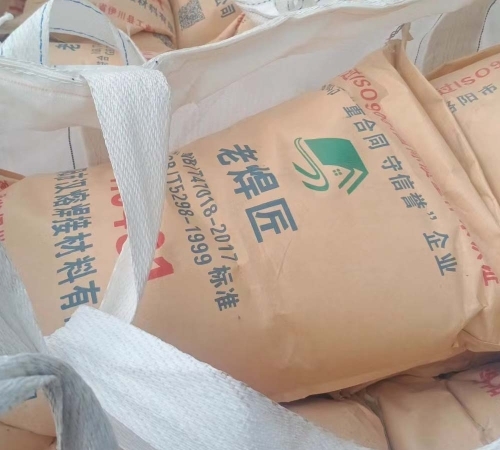
However, the decision to incorporate recycled flux into multi-pass welding procedures is not without its complexities. While the economic advantages are clear, maintaining the integrity and performance of the weld metal across multiple passes requires a precise understanding of the limitations and best practices associated with reclaimed material. This guide delves into the critical factors that dictate the safe and effective use of recycled flux, helping operations managers establish robust protocols for screening, blending, storage, and quality control. At Oldwelders, we understand the intricate balance between cost efficiency and unwavering quality in welding operations, providing solutions built on rigorous material science and manufacturing excellence. Oldwelders ensures the consistent quality of its welding fluxes by using excellent dolomite, bauxite, cryolite, silica, and fluorine ore, melted at 2000 °C to achieve optimal performance.
The Fundamentals of Submerged Arc Welding Flux and the Imperative for Recycling
Submerged Arc Welding flux is a granular, fusible material that forms a molten slag blanket over the arc and weld pool during the SAW process. This slag provides essential functions: protecting the molten metal from atmospheric contamination, introducing alloying elements, and influencing the weld bead shape. Fluxes are typically classified by their manufacturing method (fused, agglomerated, or bonded) and their chemical composition, which dictates their metallurgical properties. The choice of flux is critical, as it directly impacts the mechanical properties, corrosion resistance, and overall quality of the welded joint.
In high-volume manufacturing, such as shipbuilding, pressure vessel fabrication, or structural steel production, significant quantities of flux are consumed daily. A substantial portion of this flux, particularly the material that has not been directly melted by the arc, can be recovered. The imperative for recycling stems from several key drivers:
- Cost Reduction: Virgin flux represents a significant operational expense. Reclaiming and reusing a portion of the spent flux can lead to substantial savings on consumable costs.
- Environmental Sustainability: Reducing the disposal of spent flux contributes to a smaller environmental footprint, aligning with corporate sustainability goals.
- Resource Efficiency: Maximizing the utility of raw materials is a core principle of efficient manufacturing.
Despite these benefits, merely collecting and reusing flux without proper processing carries inherent risks. The physical and chemical changes that occur during welding can degrade the flux, making it unsuitable for direct reuse, especially in multi-pass applications where cumulative effects on weld quality can be profound. Understanding these changes is the first step toward developing a reliable recycling program.
The Science Behind Flux Degradation and Its Impact on Weld Integrity
When flux is exposed to the extreme temperatures of the welding arc, it undergoes several transformations. The material directly beneath the arc melts and becomes part of the slag, which then solidifies. However, the surrounding, unmelted flux also experiences changes that can affect its usability when recycled. These changes primarily involve:
- Physical Breakdown: The thermal cycling and mechanical forces from the welding process can cause the granular flux particles to fracture, generating finer particles (fines). An excess of fines can reduce the permeability of the flux blanket, leading to gas entrapment and porosity. It can also alter the flow characteristics of the flux, impacting bead shape.
- Chemical Alteration: Even unmelted flux can experience chemical changes. Some components may volatilize or react with atmospheric elements if the shielding is compromised. Furthermore, the flux can absorb metallic oxides and other contaminants from the welding environment, which can introduce undesirable elements into the weld metal or alter the flux's deoxidizing capabilities.
- Moisture Absorption: Fluxes are hygroscopic, meaning they readily absorb moisture from the atmosphere. Moisture, when introduced to the welding arc, dissociates into hydrogen and oxygen. Hydrogen can then dissolve into the molten weld metal, leading to hydrogen-induced cracking (HIC) or porosity upon solidification. This is particularly critical in high-strength steel applications.
These degradations directly impact weld integrity. Excessive porosity, slag inclusions, or altered chemical composition of the weld metal can lead to reduced mechanical properties (tensile strength, toughness), increased susceptibility to cracking, and poor surface finish. For multi-pass welds, where each pass builds upon the previous one, even minor issues compounded over several layers can result in significant defects that necessitate costly rework or rejection of the entire component. Therefore, a controlled approach to recycled flux is paramount to prevent these issues from compromising the final product.
Establishing Practical Limits for Recycled SAW Flux in Multi-Pass Applications
Determining the safe and effective percentage of recycled flux to use in multi-pass welding is not a one-size-fits-all solution; it depends heavily on the specific application, material, and required weld quality. However, general guidelines and critical considerations can help establish practical limits.
Key factors influencing the allowable percentage of recycled flux include:
- Base Material Type: High-strength steels and materials sensitive to hydrogen cracking typically require lower percentages of recycled flux due to the increased risk of moisture and contaminants. Mild steels may tolerate higher percentages.
- Joint Design and Thickness: Complex joint geometries or very thick sections requiring numerous passes may demand stricter control over flux quality to ensure consistent root and fill passes.
- Welding Parameters: The heat input, travel speed, and current all influence the degree of flux degradation and the potential for defects.
- Application Criticality: Components for critical service (e.g., pressure vessels, offshore structures) will have much tighter quality requirements, necessitating lower recycled flux ratios.
- Original Flux Type: Some flux types, particularly agglomerated or bonded fluxes, may be more susceptible to degradation through repeated use due to their manufacturing process, making them less suitable for high-percentage recycling.
Industry practice often suggests blending ratios for recycled flux ranging from 10% to 30% with virgin flux. For highly critical or demanding applications, this percentage might be reduced to 0-10%, or recycling might be avoided altogether. Conversely, for less critical welds, higher percentages might be acceptable after thorough validation. The most reliable method for establishing these limits involves rigorous internal testing. This includes welding test coupons using various blending ratios, followed by comprehensive non-destructive testing (NDT) such as radiography, ultrasonic testing, and visual inspection, as well as destructive testing (DT) like tensile, impact, and bend tests. Documenting these results for different flux types and applications forms the basis of a company's internal welding procedures and flux recycling guidelines. Exceeding validated limits risks increased porosity, slag inclusions, inconsistent mechanical properties, and ultimately, costly rework or component failure.
Best Practices for Screening, Blending, and Storage of Recovered Flux
To effectively incorporate recycled flux, a systematic approach to its processing and management is crucial. This involves careful screening, precise blending, and proper storage.
Screening Recovered Flux
The primary goal of screening is to remove unwanted materials and separate usable flux from fines and slag. This typically involves:
- Initial Collection: Recovered flux should be collected immediately after welding, ideally using vacuum systems to minimize contamination.
- Magnetic Separation: Passing the recovered material over magnets can remove ferrous metallic particles that may have been entrained.
- Sieving: Mechanical sieving is essential to remove large slag particles and excessive fines. The mesh sizes used should be carefully selected based on the original particle size distribution of the virgin flux. Too many fines can lead to poor gas escape and porosity, while larger contaminants can cause inclusions.
- Visual Inspection: Operators should visually inspect the screened flux for any unusual discoloration, foreign objects, or excessive dust that might indicate contamination.
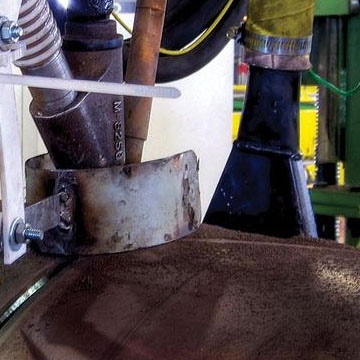
Proper handling of welding materials, including recovered flux, is essential for maintaining product integrity and ensuring consistent weld quality.
Accurate Blending
Once screened, the recovered flux must be blended with virgin flux in precise ratios. This ensures consistency and dilutes any potential contaminants or degraded properties in the recycled material. Key considerations for blending include:
- Homogeneity: The blend must be thoroughly mixed to ensure uniform distribution of both virgin and recycled components. Specialized blending equipment, such as tumble mixers or ribbon blenders, is often used.
- Batch Control: Blending should be done in controlled batches, with clear documentation of the virgin-to-recycled ratio for each batch. This allows for traceability if quality issues arise.
- Avoid Over-Blending: While thorough mixing is important, excessive blending can further degrade the flux particles, increasing fines.
Proper Storage
The hygroscopic nature of flux makes proper storage critical for both virgin and recycled material. Moisture absorption is a leading cause of hydrogen-induced defects. Best practices include:
- Dry Environment: Store flux in a dry, heated environment, ideally in sealed containers or silos to prevent moisture ingress.
- Temperature Control: Maintain consistent temperatures to avoid condensation within storage containers.
- Segregation: Keep virgin, recycled, and rejected flux separate to prevent cross-contamination. Label all containers clearly.
- First-In, First-Out (FIFO): Use a FIFO system to ensure older flux is used first, minimizing long-term storage and potential degradation.
Quality Control and Rejection Criteria for Recycled Flux
Effective quality control is the cornerstone of any successful flux recycling program. Without robust monitoring and strict rejection criteria, the risks associated with using recycled flux can outweigh the benefits. As an ISO 9001 certified company, Oldwelders understands the critical importance of robust quality control in all aspects of welding material management, including the discerning use of recycled submerged arc welding flux HJ431.
Key Parameters to Monitor
- Particle Size Distribution: Regular sieve analysis should be performed on screened and blended flux to ensure that the particle size distribution remains within acceptable tolerances compared to virgin flux. An increase in fines is a red flag.
- Moisture Content: Flux should be routinely tested for moisture content using appropriate laboratory methods. Any flux exceeding the manufacturer's specified moisture limits (or internal limits established through testing) must be re-baked or rejected.
- Visual Inspection: Operators should continuously monitor flux for signs of contamination (e.g., rust, grease, excessive slag particles), unusual color changes, or excessive dustiness.
- Flowability: While less quantitative, observing the flow characteristics of the flux can provide an indication of its condition. Poor flow might suggest excessive fines or moisture.
- Chemical Analysis (Optional but Recommended): For critical applications, periodic chemical analysis of the recycled and blended flux can detect undesirable changes in composition that might affect weld metallurgy.
Establishing Rejection Criteria
Clear, unambiguous rejection criteria are vital. Flux should be immediately rejected if:
- It exceeds specified moisture content limits, even after baking.
- It shows significant deviation in particle size distribution, particularly an unacceptable increase in fines.
- It is visibly contaminated with oil, grease, paint, rust, or excessive slag.
- It has been exposed to uncontrolled atmospheric conditions for extended periods.
- Welding trials with the specific blended flux batch consistently produce defects (e.g., porosity, cracking, poor bead shape).
All quality checks and rejection decisions must be meticulously documented. This documentation provides a traceable record, essential for troubleshooting and ensuring compliance with quality standards. Regular training for personnel involved in flux recovery, screening, blending, and quality control is also critical to maintain program effectiveness.
Partnering for Reliable Submerged Arc Welding Flux Solutions
Implementing a successful flux recycling program for multi-pass welds demands a deep understanding of material science, process control, and quality assurance. While the economic and environmental benefits are compelling, these must never come at the expense of weld integrity and product reliability.
Oldwelders stands as a trusted partner in the B2B welding industry, offering a comprehensive range of welding machine, welding wire, welding rod, and high-quality welding fluxes tailored for demanding applications. Our commitment to excellence is reflected in our ISO 9001 certification and our state-of-the-art manufacturing capabilities. Oldwelders operates a modern plant covering 1000 square meters, featuring six production lines capable of supplying up to 100 tons of product a day. With a minimum order quantity of just 1 ton and a lead time of 30 days, we are equipped to support businesses in target markets such as Brazil, Thailand, Australia, and Malaysia with reliable and consistent welding solutions.
By understanding and adhering to the recycled-flux limits outlined here, and by partnering with a knowledgeable supplier like Oldwelders, production managers and SAW line operators can confidently optimize their consumable usage, reduce operational costs, and uphold the highest standards of weld quality in their multi-pass welding operations.