
Optimize Welding Costs with Durable Electrode Holders
Optimizing Your Welding Operations by Reducing Electrode Holder Replacement Costs
For fabrication managers and import buyers, the total cost of ownership extends far beyond the initial purchase price of welding equipment. While low-price options for components like the electrode holder might seem appealing upfront, they often lead to escalating replacement costs, increased downtime, and potential safety hazards. This article delves into how a strategic approach to selecting heavy-duty holders can significantly cut long-term operational expenses and enhance overall productivity within your welding operations.
At Oldwelders, we understand the critical role each component plays in maintaining efficient and safe welding environments. Our commitment to quality, backed by welding materials expertise and ISO 9001 certification, ensures that our products meet the rigorous demands of industrial use across target markets including Brazil, Thailand, Australia, and Malaysia.
Understanding the True Cost of Electrode Holder Replacements
The perceived savings from purchasing cheaper electrode holders can quickly evaporate when considering their accelerated wear and tear. Frequent replacements are not just about the cost of a new unit; they encompass a broader range of expenses that impact your bottom line:
- Downtime Costs: Every minute a welder spends replacing a faulty holder is a minute of lost productivity. This downtime can disrupt production schedules, delay project completion, and incur significant labor costs without any output.
- Labor Expenses: Beyond the direct downtime, the labor involved in sourcing, purchasing, and installing replacement parts adds to the operational overhead. Skilled welders should be focused on welding, not on equipment maintenance due to premature failure.
- Inventory Management: Maintaining a larger inventory of replacement holders to compensate for their shorter lifespan ties up capital and requires additional storage space and administrative effort.
- Quality and Rework: A compromised holder can lead to poor electrical contact, overheating, and inconsistent arc stability, potentially resulting in substandard welds that require costly rework or even material scrap.
- Safety Risks: Overheating, arc flash, or mechanical failure of a low-quality holder poses direct safety risks to your welding personnel. Investing in reliable equipment is an investment in worker safety.
By evaluating these hidden costs, it becomes clear that the initial investment in a robust, high-quality electrode holder offers substantial long-term savings and operational advantages.
Key Factors Influencing Electrode Holder Durability and Performance
When selecting an electrode holder, several critical design and material factors contribute to its overall durability and performance, directly impacting its lifespan and your replacement costs:
Material Quality and Construction
The choice of materials is paramount. Heavy-duty holders typically feature bodies constructed from high-grade, impact-resistant composite materials or insulated brass, designed to withstand the harsh conditions of welding environments. Springs and jaws, which bear the most stress, are often made from hardened copper alloys or brass for superior conductivity and resistance to deformation.
Insulation and Heat Resistance
Effective insulation is crucial for both safety and longevity. High-quality holders use heat-resistant, non-conductive materials that prevent electrical leakage and protect the user from heat transfer. This insulation also helps maintain the integrity of the holder's internal components, preventing premature failure due to excessive heat buildup.
Electrode Grip and Contact
A secure grip on the electrode is essential for consistent electrical contact and arc stability. Holders with strong spring mechanisms and precisely machined jaws ensure a tight, reliable connection, minimizing resistance and preventing overheating at the contact points. This reduces wear on both the holder and the electrode itself.
Ergonomics and Design
While often overlooked in discussions of durability, ergonomic design plays a role. A well-balanced holder that reduces welder fatigue can indirectly contribute to its lifespan by minimizing accidental drops or improper handling. Features like comfortable handles and easy-to-operate jaws enhance user experience and encourage proper usage, further extending the tool's life.
Oldwelders' Commitment to Quality and Reliability
At Oldwelders, we pride ourselves on delivering welding solutions that stand the test of time and demanding industrial applications. Our focus on quality extends across our entire product range, from welding machines to welding fluxes, ensuring that every component contributes to your operational efficiency.
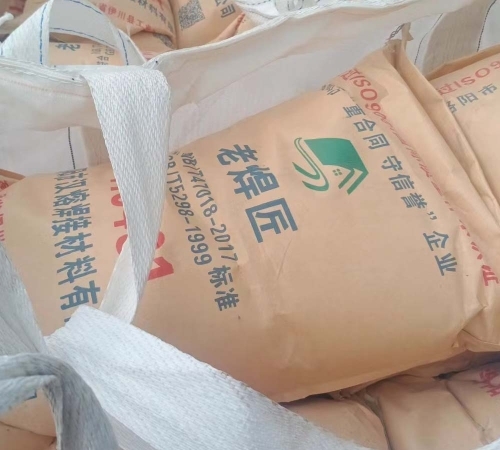
Our manufacturing processes adhere to stringent quality controls, exemplified by our ISO 9001 certification. This internationally recognized standard reflects our unwavering commitment to producing reliable products. For instance, our expertise in welding fluxes, where raw materials like excellent dolomite, bauxite, cryolite, silica, and fluorine ore are melted at 2000 °C, showcases our dedication to material science and precision engineering. This same dedication is applied to all our accessories, including robust electrode holders.
Our expansive plant, covering an area of 1000 square meters and housing six production lines, is capable of supplying up to 100 tons of product daily. This significant capacity ensures that we can meet the demands of large-scale industrial clients, providing consistent supply and reliable lead times, typically within 30 days for many orders. We also accommodate diverse project sizes with a minimum order quantity starting from 1 ton, demonstrating our flexibility as a B2B partner.
When you choose Oldwelders, you are partnering with a supplier that understands the long-term value of quality. Our products are engineered not just to perform, but to endure, thereby helping you significantly reduce the frequency and cost of replacing essential welding tools.

Selecting the Right Electrode Holder for Your Specific Needs
Choosing the appropriate holder involves more than just selecting a durable model; it requires matching the tool to the specific welding application and environment. Considerations include:
- Amperage Rating: Ensure the holder's amperage rating matches or exceeds the maximum current you will be using. Using an under-rated holder can lead to overheating, premature failure, and safety hazards.
- Electrode Size Compatibility: Verify that the holder can securely grip the range of electrode diameters you typically use. A poor grip will lead to poor contact and inefficiency.
- Duty Cycle: For high-production environments with continuous welding, a holder designed for heavy-duty cycle applications will be more appropriate and last longer.
- Environmental Factors: Consider the workplace conditions. For environments with high humidity, dust, or corrosive elements, choose holders with enhanced sealing and corrosion-resistant materials.
- Weight and Balance: While durability is key, the weight and balance of the holder can impact welder fatigue. A well-balanced, albeit heavy-duty, holder can still be comfortable for extended periods of use.
By carefully considering these factors, you can make an informed decision that balances initial cost with long-term performance and reduced replacement frequency.
Maximizing the Lifespan of Your Welding Tools
Even the most robust electrode holder benefits from proper care and maintenance. Implementing a few simple practices can further extend the life of your welding tools and prevent unnecessary replacements:
- Regular Cleaning: Periodically clean the holder's jaws and contact points to remove spatter, slag, and dirt. This ensures optimal electrical conductivity and prevents buildup that can impede the grip.
- Inspect for Wear: Before each use, quickly inspect the holder for any signs of wear, such as damaged insulation, loose connections, or deformed jaws. Address minor issues promptly to prevent major failures.
- Avoid Overheating: Operate the holder within its specified amperage rating. If it becomes excessively hot during use, allow it to cool down or investigate potential issues with the welding circuit.
- Proper Storage: Store holders in a clean, dry place, away from extreme temperatures and corrosive substances. Protect them from physical impact that could damage the insulation or internal components.
- Replace Worn Parts: While the goal is to cut replacement costs, sometimes individual parts like springs or insulation covers may need replacing. Timely replacement of these smaller components can extend the life of the entire holder.
By integrating these practices into your operational routine, you can ensure that your investment in high-quality welding equipment continues to pay dividends through extended service life and consistent performance.
Partnering for Long-Term Welding Efficiency
Choosing the right supplier for your welding accessories is a strategic decision that impacts your operational efficiency and profitability. Oldwelders offers a comprehensive range of welding solutions, including various types of welding accessories, designed to meet the rigorous demands of industrial use.
Our commitment to providing durable, high-performance products, coupled with our robust manufacturing capabilities and ISO 9001 quality assurance, positions us as a trusted partner in minimizing your total cost of ownership. By investing in quality from the outset, you not only reduce the frequency and expense of replacing components but also enhance the safety and productivity of your welding operations.
For fabrication managers and import buyers seeking to optimize their welding processes and reduce long-term operational costs, Oldwelders provides the expertise and reliable products necessary to achieve these goals. Let us help you equip your team with tools that not only perform exceptionally but also stand the test of time.