
Optimal Selection for Steel Pipe SAW Projects
Optimizing Your Pipeline Projects with the Right Steel Pipe SAW Selection
For procurement managers and EPC buyers involved in large-scale infrastructure projects, the selection of materials is paramount. Among these, Submerged Arc Welded (SAW) steel pipe stands out as a critical component, particularly for pipelines transporting oil, gas, water, and other vital resources across vast distances. The integrity, longevity, and performance of an entire pipeline system hinge significantly on the quality and specifications of the SAW pipe utilized. This comprehensive guide aims to equip buyers with the knowledge necessary to define a technically complete SAW pipe specification and evaluate qualified suppliers effectively.
The demand for high-performance piping solutions necessitates a deep understanding of manufacturing processes, material science, and quality assurance protocols. Selecting the appropriate Steel Pipe SAW requires diligent consideration of various factors, from metallurgical properties to the supplier's production capabilities and adherence to international standards. This article will delve into these crucial aspects, offering insights to streamline your procurement process and ensure project success.
Understanding Submerged Arc Welded (SAW) Pipe for Critical Applications
Submerged Arc Welding (SAW) is a high-quality, high-deposition rate welding process commonly used in the fabrication of large-diameter steel pipes. This method is distinguished by its ability to produce robust, durable welds, making SAW pipes ideal for demanding applications such as high-pressure gas transmission lines, crude oil pipelines, and structural applications where reliability is non-negotiable. The process involves an arc submerged beneath a blanket of granular flux, shielding the weld area from atmospheric contamination and resulting in a smooth, consistent weld bead.
Two primary types of SAW pipes are prevalent in the industry: Longitudinal SAW (LSAW) and Helical/Spiral SAW (HSAW or SSAW). LSAW pipes are manufactured from a single steel plate, which is pressed into a circular shape and then welded longitudinally. This method is typically preferred for very large diameter pipes and applications requiring extremely high pressure resistance. HSAW pipes, conversely, are formed by spiraling a continuous steel coil into a pipe shape and welding the helical seam. HSAW pipes offer cost-effectiveness for certain applications and can be produced in continuous lengths. Understanding the nuances of each manufacturing process is fundamental to matching the pipe type with the specific demands of your pipeline project.
The choice between LSAW and HSAW often depends on factors such such as pipe diameter, wall thickness, project budget, and specific operational pressures. Both types, when manufactured to stringent standards, provide exceptional performance and structural integrity. The consistent quality achievable with submerged arc welding ensures that these pipes can withstand the rigorous conditions encountered in long-distance pipeline infrastructure.
Key Technical Considerations for Specifying SAW Steel Pipe
The technical specification of welding materials and SAW steel pipe is a complex undertaking that impacts both performance and cost. Procurement managers must carefully define several critical parameters to ensure the pipe meets the project's exact requirements. Here are the primary considerations:
Material Grade and Standards
The steel grade is perhaps the most fundamental specification. Common standards include API 5L (for line pipe applications in the petroleum and natural gas industries), ASTM (for general structural and pressure applications), and EN standards. Each standard specifies mechanical properties such as yield strength, tensile strength, and impact toughness, which are crucial for the pipe's ability to resist internal pressure and external forces. For critical applications, grades like API 5L X60, X65, X70, and X80 are frequently specified, each offering increasing strength levels. It is imperative to stipulate the exact standard and grade, along with any supplementary requirements (e.g., sour service resistance, low-temperature toughness).
Dimensions: Diameter and Wall Thickness
Pipe diameter and wall thickness are determined by the volumetric flow rate requirements and the maximum anticipated operating pressure. Larger diameters and thicker walls generally correspond to higher material costs and heavier pipes, impacting transportation and installation. Precise specification is vital to avoid over-engineering or, more critically, under-engineering, which could lead to safety hazards or operational failures. Wall thickness variations and tolerances must also be clearly defined according to relevant industry standards.
Surface Protection and Coatings
For buried or submerged pipelines, external corrosion protection is essential. This often involves specifying external coatings such as 3-layer polyethylene (3LPE), 3-layer polypropylene (3LPP), fusion-bonded epoxy (FBE), or coal tar epoxy. Internal coatings may also be required to reduce friction, prevent internal corrosion, or protect product purity. The type and application method of these coatings must be meticulously detailed to ensure long-term integrity and performance in diverse environmental conditions.
Non-Destructive Testing (NDT) Requirements
Comprehensive NDT protocols are necessary to verify the structural integrity of the welds and the base material. This includes radiography, ultrasonic testing, magnetic particle inspection, and visual inspection. The frequency and type of NDT should align with the criticality of the application and international best practices. A robust NDT regime ensures that any defects are identified and rectified before the pipe is deployed, mitigating the risk of future failures.
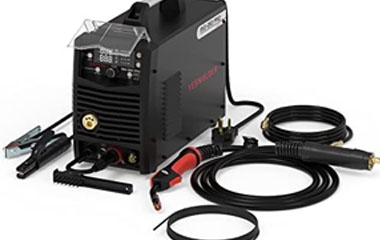
The Critical Role of Welding Fluxes in SAW Pipe Manufacturing
While the steel itself is fundamental, the quality of the submerged arc weld is equally important for the overall integrity of SAW pipes. This is where welding fluxes become indispensable. In the SAW process, the flux not only shields the molten weld pool from atmospheric contamination but also influences the weld's chemical composition, mechanical properties, and bead shape. The correct selection of welding flux is crucial for achieving optimal weld quality, especially when working with high-strength steel grades.
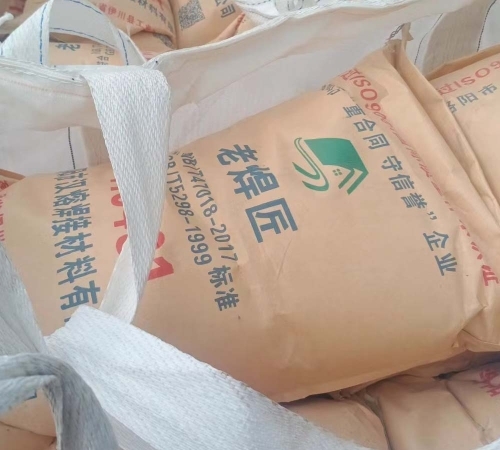
Oldwelders understands the intricate demands of SAW pipe production. Our commitment to excellence is reflected in the superior quality of our welding fluxes. We utilize excellent raw materials such as dolomite, bauxite, cryolite, silica, and fluorine ore, which are meticulously melted at precisely 2000 °C to create fluxes with consistent performance characteristics. This stringent material selection and manufacturing process ensures that our fluxes contribute to welds that meet the rigorous standards required for pipeline applications, including those in target markets like Brazil, Thailand, Australia, and Malaysia.
Different types of fluxes, such as fused and agglomerated fluxes, offer distinct advantages. Fused fluxes are produced by melting all ingredients together, resulting in a homogeneous, non-hygroscopic product. Agglomerated fluxes are bonded with a ceramic binder, allowing for greater flexibility in alloying elements and improved weldability. The choice of flux depends on the specific steel grade, welding parameters, and desired weld properties, including impact toughness, tensile strength, and crack resistance. Our expertise in developing and supplying high-quality fluxes ensures that manufacturers can achieve superior weld integrity, which is paramount for the long-term reliability of any SAW pipeline project.
Ensuring Supplier Quality and Reliable Procurement for Your Pipeline
Beyond technical specifications, the capabilities and reliability of your chosen supplier are critical to the success of your pipeline project. A qualified supplier must demonstrate adherence to international quality standards, possess robust production capabilities, and offer consistent service.
Certifications and Quality Management Systems
A non-negotiable requirement for any reputable SAW pipe supplier is certification to ISO 9001. This internationally recognized standard for quality management systems provides assurance that the supplier consistently meets customer and regulatory requirements. Oldwelders is an ISO 9001 certified company, underscoring our unwavering commitment to quality across all our products and processes, including our range of welding machine and welding consumables. This certification is a fundamental trust signal for procurement managers seeking dependable partners.
Production Capacity and Lead Times
Large-scale pipeline projects demand significant volumes of pipe within tight deadlines. A supplier's production capacity is therefore a key differentiator. Our plant, covering an area of 1000 square meters, houses six production lines, enabling us to supply up to 100 tons of flux products a day. This substantial capacity ensures that even large orders can be fulfilled efficiently. Furthermore, our typical lead time of 30 days for orders, coupled with a minimum order quantity (MOQ) of just 1 ton, provides flexibility and responsiveness for projects of varying scales. Such operational efficiency is vital for maintaining project schedules and avoiding costly delays.
Experience and Global Reach
Suppliers with extensive experience in the pipeline industry and a proven track record of serving diverse markets bring invaluable expertise. Oldwelders has established a strong presence in key global markets, including Brazil, Thailand, Australia, and Malaysia. This international experience demonstrates our capability to navigate diverse logistical challenges and meet region-specific requirements, providing confidence to buyers worldwide. Our understanding of global market demands allows us to provide tailored solutions that align with local regulations and project specifications.
Oldwelders: Your Partner in High-Quality Welding Solutions for SAW Pipelines
Choosing the correct SAW steel pipe for your pipeline project is a decision that impacts long-term operational efficiency, safety, and profitability. By meticulously considering material specifications, welding processes, and supplier capabilities, procurement managers and EPC buyers can make informed decisions that safeguard their investments.
At Oldwelders, we pride ourselves on being a professional and knowledgeable B2B partner, offering a comprehensive range of welding solutions. Our product portfolio, encompassing welding machines, welding wires, welding rods, and high-quality welding fluxes, is designed to support the demanding requirements of SAW pipe manufacturing and other critical welding applications. Our ISO 9001 certification and robust production capabilities, including a daily capacity of 100 tons from our 1000 square meter facility with six production lines, underscore our commitment to delivering excellence.
We understand that the success of your pipeline project relies on the quality of every component. Our dedication to superior raw materials, advanced manufacturing processes, and rigorous quality control ensures that our products consistently meet and exceed industry standards. Whether your project is in Brazil, Thailand, Australia, Malaysia, or elsewhere, Oldwelders is equipped to provide the reliable, high-performance welding materials you need to ensure the integrity and longevity of your SAW pipelines. Partner with us to achieve unparalleled quality and efficiency in your next pipeline endeavor.