
How to Verify Steel Pipe SAW Suppliers for Mill Capability
How to Properly Verify a Steel Pipe SAW Supplier's Mill Capability
Selecting a supplier for large-diameter longitudinal or helical Submerged Arc Welded (SAW) pipes is a high-stakes decision. These components are foundational to major infrastructure projects, from pipelines to structural engineering, where failure is not an option. While a supplier's quote and datasheets provide a starting point, they don't reveal the full picture of their manufacturing competence. A thorough verification of their mill capabilities is essential to mitigate risk and ensure the long-term integrity of your project. This involves a deep dive into their quality systems, production processes, material sourcing, and testing protocols. For any project involving Steel Pipe SAW, this due diligence is the most critical step before awarding a contract.
This guide outlines the key areas to investigate when auditing a potential supplier. By focusing on tangible evidence and asking the right questions, you can distinguish a truly capable manufacturer from one that simply looks good on paper.
Foundational Checks: Verifying Certifications and Quality Management Systems
Before you even step into the mill, your verification process should begin with a review of the supplier's documentation. Certifications are the most immediate indicator of a commitment to international standards and consistent quality. Don't just look for a logo on their website; request the actual certification documents and verify their validity and scope.
Key Certifications to Look For:
- ISO 9001:2015: This is the global standard for a Quality Management System (QMS). A valid ISO 9001 certificate demonstrates that the supplier has established and maintains processes for consistent production, customer satisfaction, and continual improvement. As an ISO 9001 certified company ourselves, we at Oldwelders understand the rigorous audits and process controls required to maintain this standard. It's a baseline, not a luxury. Ask the supplier for their QMS manual and records of internal audits and management reviews.
- API Specification Q1 / 5L: For pipes intended for the oil and gas industry, certification from the American Petroleum Institute (API) is non-negotiable. API 5L specifies the requirements for the manufacture of two product specification levels (PSL 1 and PSL 2) of seamless and welded steel pipes. API Q1 is the quality management standard that underpins it. Verify that their certification is current and covers the specific pipe grades and sizes you require.
- CE Marking / EN 10219: For pipes used in structural applications within the European Union, compliance with standards like EN 10219 and the corresponding CE mark is mandatory. This indicates conformity with European health, safety, and environmental protection standards.
Beyond the certificates themselves, investigate the supplier's traceability system. How do they track a specific pipe back to the raw steel coil or plate it was made from, including the heat number and material test reports? A robust QMS will have a clear, documented traceability procedure that can be demonstrated during an audit.
Assessing Raw Material Sourcing and Handling
The final pipe is only as good as the steel plate it's made from. A capable supplier will have stringent controls over their raw material sourcing and incoming inspection. Your audit should scrutinize this part of their supply chain.
Questions to Ask:
- Who are your steel plate suppliers? Are they reputable, certified mills? A manufacturer using low-cost, uncertified steel is introducing a massive and unacceptable risk.
- What is your incoming inspection process? They should be able to show you procedures for verifying the dimensions, surface quality, and chemical composition of every incoming steel plate or coil. Request to see Mill Test Certificates (MTCs) for recent batches and verify that they match the specified standard (e.g., API 5L, ASTM A53).
- How are materials stored and handled? Proper storage prevents corrosion, contamination, and physical damage. Look for clean, organized storage yards where materials are kept off the ground and properly segregated by heat number and grade.
This focus on raw material integrity is a principle we apply to our own manufacturing. The performance of our welding fluxes is directly dependent on the purity of the raw materials we use—excellent dolomite, bauxite, cryolite, and silica, which are melted at 2000 °C to ensure consistency. A pipe manufacturer must apply the same level of discipline to their primary raw material: steel.
Evaluating Production Line and Mill Capacity
A physical tour of the mill is indispensable. This is where you can verify the supplier's claimed capacity and assess the condition and sophistication of their equipment. A well-maintained and logically organized production line is a strong indicator of a professional operation.
Key Stages to Inspect:
- Plate Preparation: Examine the equipment for plate edge milling or planing. Precisely prepared edges are crucial for achieving proper fit-up and a sound weld. Uneven or poorly prepared edges are a major red flag.
- Forming Process: Observe the forming presses (for LSAW) or rolling machines (for SSAW/HSAW). Is the equipment modern and well-maintained? How do they control the pipe's diameter and roundness during formation? Inconsistent forming leads to problems in the welding stage.
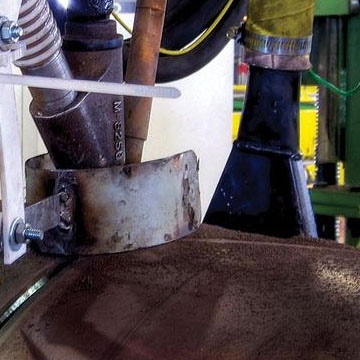
- Welding Stations: This is the heart of the Steel Pipe SAW process. Inspect the welding gantries. Are they using multi-wire systems for higher productivity and better weld quality? Look at the flux handling systems—are they clean and free from contamination?
- Sizing and Straightening: After welding, the pipe goes through a sizing mill or expander to achieve final dimensional accuracy and is then straightened. Check the condition of this equipment and the supplier's process for measuring and controlling final dimensions.
When discussing capacity, look for transparent and verifiable figures. For instance, at Oldwelders, we can state clearly that our plant covers 1000 square meters and has six production lines, enabling a supply of 100 tons of consumables per day. Your pipe supplier should be able to provide similar, concrete data about their own output, supported by production records. This is vital for ensuring they can meet the delivery schedule for your project without compromising quality.
The Critical Role of the Welding Process and Consumables
The weld seam is the most critical element of a SAW pipe. The integrity of this seam depends entirely on the control of the welding process and the quality of the consumables used. This is an area where your technical expertise is most needed during the audit.
Verifying Welding Excellence:
- Welding Procedure Specification (WPS): Request the WPS for the specific material grade and thickness you require. This document details all the essential variables: welding current, voltage, travel speed, wire type and diameter, and flux type.
- Procedure Qualification Record (PQR): The PQR is the evidence that proves the WPS can produce a weld that meets the required mechanical properties. Review the PQR to confirm they have successfully qualified a procedure that matches your needs.
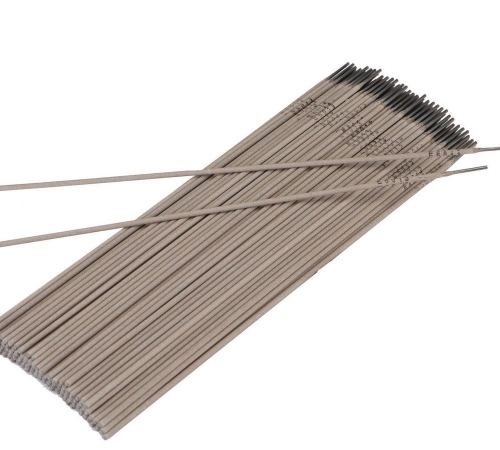
- Consumable Control: How are welding consumables stored and handled? Submerged arc flux is hygroscopic (it absorbs moisture), and moisture in the weld can lead to hydrogen cracking. Look for a dedicated, temperature-controlled storage area for flux. Ask about their flux baking or re-drying procedures. A submerged arc welding flux hj431 of high quality can be rendered useless by improper storage.
- Operator Qualification: Are the welding machine operators certified? Ask to see their welder qualification test records (WQTRs).
The choice of welding consumables, including the solid wire and flux combination, is paramount. A sophisticated supplier will have a deep understanding of how different consumables affect the final weld's mechanical properties, such as toughness at low temperatures. Their choice should be deliberate and backed by testing, not just based on cost.
Non-Destructive Testing (NDT) and Quality Control Protocols
Manufacturing a pipe is one thing; proving it is free of defects is another. A top-tier supplier invests heavily in NDT and mechanical testing facilities. Your audit must verify that their testing capabilities are real, calibrated, and used consistently.
Essential Testing to Verify:
- Automated Ultrasonic Testing (AUT): This is the primary method for inspecting the entire length of the weld seam for internal defects. Observe the AUT system in operation. Ask about their calibration procedures and the qualification level of their NDT technicians (e.g., ASNT Level II or III).
- Radiographic Testing (RT) or Real-Time Radioscopy (RTR): X-ray inspection is typically used to inspect the pipe ends and to investigate any ambiguous signals from the AUT system. Verify they have the equipment and certified personnel to perform and interpret these tests.
- Hydrostatic Testing: Every pipe should be subjected to a hydrostatic test, where it is filled with water and pressurized to a level specified by the standard. This test proves the pipe's strength and leak-tightness. Witness a test in person if possible.
- Mechanical Testing Laboratory: A capable mill will have an in-house laboratory for conducting destructive tests on samples from the pipe, such as tensile tests, Charpy V-notch impact tests, and drop-weight tear tests. Review their lab equipment, calibration records, and test reports.
Logistics and Supply Chain Reliability
Finally, a great product is useless if it doesn't arrive on time and in good condition. Assess the supplier's logistical capabilities and experience with international shipping, especially to your region.
Look for clear and transparent commercial terms. Well-defined policies on lead times and order quantities, such as our own standard 30-day lead time and 1-ton minimum order quantity at Oldwelders, are signs of a mature and organized operation. Ask for evidence of their shipping experience to your country or region. A supplier with a proven track record of shipping to demanding markets, such as our clients in Brazil, Thailand, Australia, and Malaysia, has already navigated the complexities of international logistics and customs.
By conducting a thorough, evidence-based audit across these key areas, you can confidently verify a Steel Pipe SAW supplier's true capabilities. This rigorous approach protects your project, your investment, and your reputation, ensuring you partner with a manufacturer that can deliver quality and reliability from raw material to final delivery.