
How to Source Steel Pipe SAW for Pipeline Projects
How to Effectively Source Steel Pipe SAW for Major Pipeline Projects
For procurement managers and engineers overseeing large-scale pipeline projects, the selection of materials is a foundational decision with long-term consequences. Among the most critical components is the line pipe itself. Sourcing high-quality Steel Pipe SAW (Submerged Arc Welded) requires a meticulous qualification process that goes far beyond a simple price comparison. Ensuring a supplier can meet stringent technical specifications, maintain consistent quality, and adhere to demanding project timelines is paramount to avoiding costly delays and ensuring operational integrity.
This guide provides a practical framework for procurement teams to navigate the complexities of sourcing submerged arc welded pipe. We will move beyond basic product listings to explore the essential steps of supplier vetting, document verification, and RFQ preparation, empowering you to build a reliable and resilient supply chain for your next critical infrastructure project.
Understanding the Critical Role of Submerged Arc Welding in Pipeline Construction
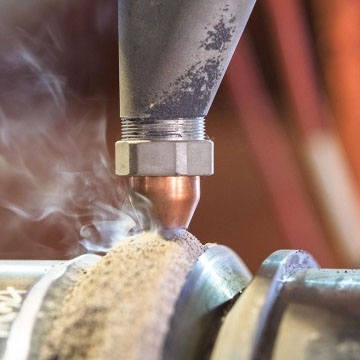
Submerged Arc Welding (SAW) is a high-productivity, automated welding process favored for manufacturing large-diameter, thick-walled steel pipes used in oil, gas, and water transportation. The process involves forming a weld under a blanket of granular, fusible flux. The flux shields the arc and the molten weld pool from atmospheric contamination, resulting in a high-quality, uniform weld bead with excellent mechanical properties and minimal spatter.
There are two primary types of SAW pipes relevant to pipeline projects:
- Longitudinal Submerged Arc Welded (LSAW) Pipe: Manufactured by forming steel plates into a cylindrical shape and then welding a single longitudinal seam. LSAW pipes are known for their excellent dimensional accuracy and are often used in demanding applications requiring high strength and toughness.
- Spiral Submerged Arc Welded (SSAW) Pipe: Produced by helically winding a steel strip and welding the edges continuously. SSAW manufacturing allows for a wide range of diameters and is a cost-effective solution for large-volume projects, particularly for low-pressure applications.
The choice between LSAW and SSAW depends on project-specific requirements, including operating pressure, environmental conditions, and budget. Regardless of the type, the integrity of the weld is non-negotiable, making the quality of the manufacturing process and the associated welding materials a primary focus during procurement.
Key Criteria for Vetting Potential Pipe Suppliers
Identifying a capable supplier involves a deep dive into their operational capabilities, quality control systems, and historical performance. Generic supplier lists are insufficient; you need documented proof of competence. Use the following criteria to build your supplier shortlist and mitigate qualification risk before issuing a final RFQ.
Verifying Quality Management and Certifications
A supplier's commitment to quality is best evidenced by their certifications and the robustness of their Quality Management System (QMS). Do not simply accept a list of certifications at face value—request the documentation and verify its validity.
- ISO 9001:2015: This is the baseline requirement. An ISO 9001 certification demonstrates that the supplier has a structured, audited system for managing quality across their processes. As an ISO 9001 certified company ourselves, we understand the rigor involved in maintaining this standard, which governs everything from raw material intake to final inspection and dispatch.
- API Specification 5L: This is the global standard for line pipe. Ensure the supplier is certified to produce pipes compliant with the specific grade (e.g., X52, X65, X70) and Product Specification Level (PSL-1 or PSL-2) your project requires. PSL-2 involves more stringent testing and traceability requirements.
- Mill Test Reports (MTRs): Request sample MTRs for previous, similar projects. An MTR provides a certified record of a material's chemical and mechanical properties, confirming it meets the required standards. Scrutinize these documents for completeness and consistency.
Assessing Manufacturing Capacity and Technical Capabilities
A supplier must have the physical infrastructure and technical expertise to handle the scale and complexity of your project. A supplier's promises must be backed by tangible assets and proven output.
Investigate their plant and equipment. A well-organized facility is a strong indicator of a professional operation. For example, a plant covering 1000 square meters with six distinct production lines indicates a significant investment in infrastructure. Ask for details about their production capacity. A manufacturer capable of supplying 100 tons per day demonstrates the ability to meet the demanding schedules of large-scale infrastructure projects without becoming a bottleneck. This capacity ensures that your project timeline is protected against supply-side delays.
Reviewing Material Traceability and Testing Records
Full traceability from raw material to finished product is non-negotiable for critical pipeline components. Your supplier must be able to demonstrate a clear chain of custody for all materials used. This includes:
- Steel Coil/Plate Origin: Where do they source their raw steel? Reputable mills provide detailed certification for their products.
- Welding Consumable Records: What welding fluxes and wires do they use? These have a direct impact on weld quality. A vertically integrated or highly selective supplier will have full control over these inputs.
- Non-Destructive Testing (NDT) Records: Review their procedures and records for NDT methods like X-ray, ultrasonic, and hydrostatic testing. These tests are essential for identifying hidden defects in the weld seam and pipe body.
Crafting a Comprehensive Request for Quotation (RFQ)
Once you have a shortlist of qualified suppliers, the next step is to issue a detailed RFQ. The more specific your RFQ, the more accurate and comparable the quotations will be. Ambiguity at this stage leads to risk and potential change orders later.
Your RFQ for Steel Pipe SAW should include:
- Detailed Pipe Specifications:
- Standard and Grade: e.g., API 5L Grade X60 PSL-2.
- Pipe Type: LSAW or SSAW.
- Dimensions: Outer Diameter (OD), Wall Thickness (WT), and Length.
- End Finish: Beveled for welding or plain end.
- Quantity and Delivery Schedule:
- Total quantity required (in meters, feet, or number of lengths).
- Phased delivery schedule aligned with your project milestones.
- Coating and Lining Requirements:
- External coating specifications (e.g., 3LPE, FBE) for corrosion protection.
- Internal lining requirements, if any.
- Testing and Inspection Requirements:
- Specify all required NDT and destructive tests.
- State requirements for third-party inspection (TPI) and any specific hold points for witness testing.
- Documentation Package:
- List all required documents, including MTRs, NDT reports, hydrostatic test certificates, and traceability records.
By providing this level of detail, you ensure that all suppliers are quoting on a like-for-like basis, making your evaluation process more efficient and transparent.
The Overlooked Impact of Welding Consumables on Project Success
While the pipe itself is the primary focus, the quality of the submerged arc welding process hinges on the consumables used: the welding wire and, critically, the flux. The flux is not merely a shielding agent; its chemical composition directly influences the mechanical properties, toughness, and chemical purity of the final weld metal.
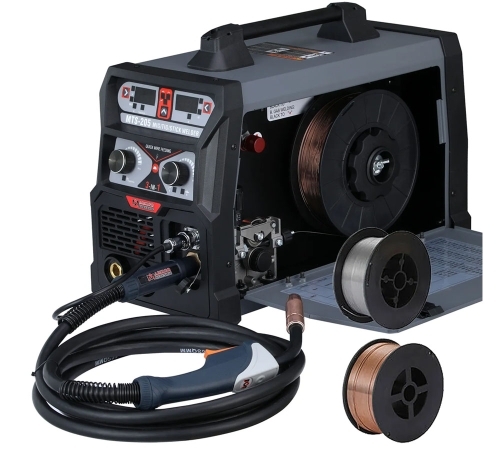
A superior welding flux is manufactured from carefully selected raw materials, such as high-purity dolomite, bauxite, cryolite, and silica. At our facility, these ores are melted at temperatures exceeding 2000°C to create a homogenous, glassy flux with consistent properties. This process ensures that every batch delivers predictable performance, contributing to a sound and reliable weld seam. When evaluating a Steel Pipe SAW supplier, it's wise to inquire about their sourcing and quality control for these essential welding consumables. A vertically integrated supplier or one with a dedicated, high-quality partner for consumables like a an effective welding machine offers an additional layer of quality assurance.
Navigating Logistics for International Pipeline Projects
For global projects, logistics and supply chain management are as critical as manufacturing. Your supplier evaluation must extend to their experience in exporting to your region and handling complex international shipping.
Key logistical considerations include:
- Lead Time: Clarify the production lead time from order confirmation to ex-works readiness. A typical lead time, such as 30 days for standard orders, provides a good benchmark for planning.
- Shipping Experience: A supplier with a track record of shipping to markets like Brazil, Thailand, Australia, and Malaysia demonstrates familiarity with the documentation, customs, and logistical challenges of international freight.
- Packaging: Large-diameter pipes require specialized handling and protection to prevent damage during transit. Inquire about their standard export packaging methods, including end caps, bundling, and protection for coated surfaces.
- Minimum Order Quantity (MOQ): While large projects require massive volumes, understanding a supplier's flexibility is important. A reasonable MOQ, such as 1 ton, can be advantageous for securing smaller quantities for preliminary work, testing, or repairs.
Partnering for Long-Term Project Integrity
Sourcing Steel Pipe SAW is a strategic decision that impacts project safety, budget, and timeline. The process demands a rigorous, evidence-based approach to supplier qualification. By focusing on verifiable certifications, assessing true manufacturing capacity, and scrutinizing quality control from raw materials to final inspection, procurement teams can significantly reduce risk.
Choosing a partner who not only manufactures pipe but also possesses deep expertise in the underlying welding technologies provides a distinct advantage. A knowledgeable supplier can offer valuable insights into material selection, welding procedures, and quality assurance, ensuring that the final product delivers uncompromising performance for decades to come.