
How to Compare Quotes from a Chinese Flux Supplier
How to Accurately Compare Quotes from a Chinese Flux Supplier
For international procurement managers, sourcing welding consumables like flux from China offers significant cost advantages. However, the initial quote is merely the starting point. A low per-unit price can be misleading if it inflates later with unforeseen transport, customs, and handling fees. To make a truly informed purchasing decision, you must compare offers on a total delivered-cost basis. This comprehensive approach ensures transparency, prevents budget overruns, and helps you identify a truly valuable and reliable partner.
Evaluating a potential partner goes beyond the numbers on an invoice. It involves assessing their production capabilities, quality management systems, and logistical expertise. A dependable supplier provides not just a product, but a streamlined procurement experience from factory floor to your warehouse door. This guide will walk you through the critical steps of deconstructing quotations, calculating your true landed cost, and vetting suppliers to ensure you secure the best long-term value for your operations.
Beyond the Unit Price: Deconstructing the Supplier's Quotation
When you receive a quotation from a potential welding flux supplier, the first number you see is the unit price. While important, this figure is only one piece of a much larger puzzle. To accurately compare offers, you must understand the Incoterms (International Commercial Terms) used, as they define who is responsible for costs and risks at each stage of the shipping process.
The most common Incoterms you will encounter are:
- EXW (Ex Works): This is the most basic price. The seller's only responsibility is to make the goods available at their factory or warehouse. The buyer is responsible for all subsequent costs, including loading the goods onto a truck, export customs clearance, international shipping, insurance, import customs, and final delivery. An EXW price will always appear the lowest, but it carries the highest logistical burden and cost uncertainty for the buyer.
- FOB (Free On Board): This is a very common term in international trade. The supplier is responsible for all costs to get the goods loaded onto the vessel at the designated port of origin in China. This includes local transport to the port, export customs clearance, and port handling charges. Once the goods are on the ship, the responsibility for cost and risk transfers to the buyer. You will need to arrange and pay for the ocean freight, insurance, and all destination charges.
- CIF (Cost, Insurance, and Freight): With a CIF quote, the supplier's price includes the cost of the goods, the marine insurance, and the freight charges to your destination port. This simplifies the process for the buyer, as the supplier handles the main shipping leg. However, it's crucial to remember that the buyer's responsibility begins once the goods arrive at the destination port. You will still be responsible for import duties, taxes, port handling fees at your end, and inland transportation to your facility.
When comparing quotes, always ensure you are comparing like-for-like Incoterms. A CIF quote will naturally be higher than an FOB quote from the same supplier, but it includes more services. Ask potential suppliers to provide quotes for multiple Incoterms so you can analyze which option gives you the best balance of cost control and convenience.
Calculating Your Landed Cost: A Step-by-Step Framework
The landed cost is the total cost of a product once it has arrived at your doorstep. It is the most accurate measure for comparing international sourcing options because it encompasses every expense along the supply chain. Calculating it requires diligence, but it protects your budget from surprises.
Here is a framework to calculate your total landed cost:
1. Product Cost (The 'A' Component)
This is the base price from your supplier. It's the unit price multiplied by the quantity. When discussing quantity, it's important to understand a supplier's Minimum Order Quantity (MOQ). For instance, at Oldwelders, our MOQ for welding fluxes is 1 ton. This ensures that production runs are efficient and cost-effective, a benefit that is passed on to our customers.
2. Logistics and Shipping Costs (The 'B' Component)
This is often the most complex part of the calculation.
- Inland Freight (Origin): Cost to transport goods from the factory to the port of departure (covered by the seller in FOB and CIF terms).
- Export Handling & Customs: Fees for processing documentation and clearing goods for export (covered by the seller in FOB and CIF).
- Ocean/Air Freight: The main transportation cost from the port of origin to the port of destination.
- Insurance: Coverage against loss or damage during transit. While included in CIF, you may want to purchase your own supplementary policy for greater coverage.
3. Destination and Import Costs (The 'C' Component)
Once the shipment arrives in your country, another set of costs begins:
- Import Duties: Taxes levied by your government on imported goods. This is typically a percentage of the goods' value and varies widely by country and product classification (HS Code).
- Taxes (VAT/GST): Value-Added Tax or Goods and Services Tax applicable in your country.
- Customs Brokerage Fees: The fee paid to a licensed broker to handle customs clearance on your behalf.
- Port/Terminal Handling Charges (THC): Fees charged by the destination port for handling the container.
- Inland Freight (Destination): The cost to transport the goods from the destination port to your final warehouse or facility.
Landed Cost Formula: Product Cost (A) + Logistics & Shipping (B) + Destination & Import Costs (C) = Total Landed Cost.
By breaking down every potential expense, you can build a comprehensive spreadsheet to compare different suppliers. This detailed analysis will often reveal that a supplier with a slightly higher FOB price may actually be more cost-effective overall due to more efficient logistics or better packaging that reduces damage.
Vetting Supplier Capabilities to Ensure Cost-Effectiveness
A low landed cost is meaningless if the product quality is inconsistent or the supplier cannot meet your delivery schedule. Vetting a potential partner's operational capabilities is just as important as analyzing their price. This is where a professional B2B buyer looks beyond the quote to the substance of the company they are dealing with.
Production Capacity and Lead Time
Can the supplier handle your volume, both now and in the future? A supplier's capacity directly impacts their ability to deliver on time. Ask for details about their facility. For example, Oldwelders operates a 1000-square-meter plant with six production lines, enabling a supply capacity of 100 tons per day. This robust infrastructure ensures we can meet large-scale orders and maintain our standard 30-day lead time, providing our clients with reliable scheduling. When a supplier can confidently state their capacity, it demonstrates a level of operational maturity that is essential for a stable supply chain.
Quality Management and Raw Materials
Consistent quality is the cornerstone of effective welding operations. Inquire about quality certifications. An ISO 9001 certification, for instance, is a critical trust signal. It indicates that the supplier has a documented and audited quality management system in place, covering everything from raw material inspection to final product testing. This reduces your risk of receiving a substandard batch that could cause costly rework or joint failures.
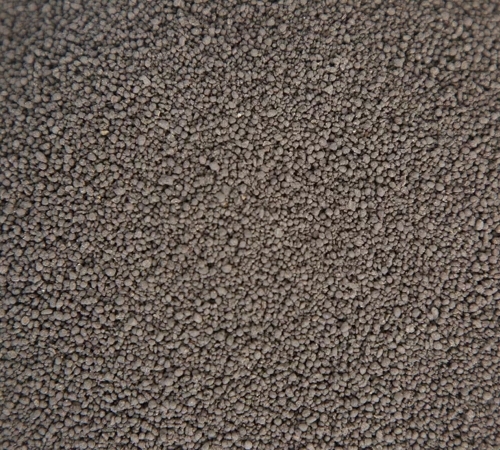
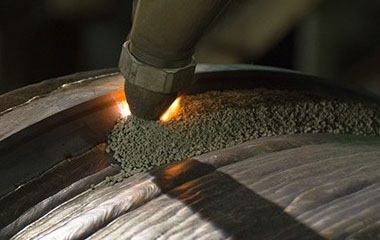
The quality of the raw materials is also paramount. Our flux products are produced using excellent dolomite, bauxite, cryolite, silica, and fluorine ore, which are melted at a precise 2000 °C. This meticulous process ensures the final product, such as our popular submerged arc welding flux hj431, has the correct chemical composition and physical properties for superior performance.
Market Experience
Has the supplier exported to your region before? A supplier with experience shipping to markets like Brazil, Thailand, Australia, and Malaysia understands the specific documentation, packaging, and logistical requirements for those regions. This experience can prevent costly delays in customs and ensure a smoother delivery process. An experienced global partner is a valuable asset in navigating the complexities of international trade.
Common Pitfalls in Sourcing and How to Avoid Them
Navigating the global sourcing landscape can be challenging. Even seasoned procurement managers can encounter pitfalls that disrupt supply chains and inflate costs. Awareness is the first step toward mitigation.
1. Hidden Costs
The most common pitfall is the emergence of unexpected fees. These can include excessive terminal handling charges, documentation amendment fees, or demurrage charges if your container is not picked up from the port on time. Avoidance Strategy: Work with your supplier and a reputable freight forwarder or customs broker to get a detailed breakdown of all anticipated charges at the destination. A transparent welding materials supplier will be upfront about what their quote includes and excludes.
2. Inconsistent Product Quality
Receiving a trial order that meets specifications perfectly, only to find that the quality of subsequent bulk orders declines, is a major risk. This can happen with suppliers who lack robust quality control systems. Avoidance Strategy: Prioritize suppliers with internationally recognized certifications like ISO 9001. Ask for batch test certificates or a Certificate of Analysis (COA) with each shipment. This documentation provides objective data on the product's chemical and physical properties, ensuring it meets your standards every time.
3. Communication Barriers and Delays
Time zone differences and language barriers can lead to misunderstandings and slow response times. A simple question can take days to resolve, delaying production or shipping decisions. Avoidance Strategy: Partner with a supplier that has a professional, English-speaking sales and support team. Evaluate their responsiveness during the initial inquiry phase. A supplier who is quick and clear in their communication before the sale is likely to maintain that standard after you become a customer.
Choosing the right Chinese flux supplier is a strategic decision that impacts not just your material costs, but your operational efficiency and product quality. By moving beyond the surface-level unit price and conducting a thorough analysis of landed costs and supplier capabilities, you can build a resilient and cost-effective supply chain. A partnership with a knowledgeable and well-equipped manufacturer provides a foundation for long-term success and growth.