
How to Choose Bulk Welding Supplies for Resale
How to Choose the Right Bulk Welding Supplies for Your Resale Business
For distributors, retailers, and procurement managers, building a successful inventory of welding products hinges on a strategic approach to sourcing. The decision to invest in bulk welding supplies is about more than just securing a lower unit cost; it's about establishing a reliable, profitable, and reputable product line that meets the diverse needs of your end customers. A poorly chosen assortment can lead to dead stock and missed opportunities, while a partnership with the right supplier can become a cornerstone of your business growth.
This guide provides a comprehensive framework for evaluating and selecting welding consumables and equipment for resale. We will explore how to assess your target market, what to look for in a quality-focused supplier, how to structure your core product assortment, and the critical logistical factors that ensure a smooth supply chain from the factory to your warehouse.
Assessing Your Target Market's Core Needs
Before you can build a purchase order, you must first understand who you are selling to. The welding industry is not monolithic; the needs of a small-scale fabrication shop are vastly different from those of a large industrial construction firm. A thorough market analysis will prevent you from overstocking on niche products while understocking on high-demand essentials.
Identify Key Industries in Your Region
Start by identifying the dominant industries in your sales territory. Are you located in an area with a strong presence in:
- Heavy Construction & Infrastructure: This sector demands robust equipment and high-deposition consumables for structural steel work. Products like high-strength flux-cored wire and submerged arc welding fluxes are often standard.
- Automotive Manufacturing & Repair: Precision and finish are key. This market relies heavily on MIG welding for both robotic and manual applications, requiring a consistent supply of quality solid wires and shielding gases.
- General Fabrication & Maintenance: These customers represent a broad segment that requires versatility. They often purchase a mix of stick electrodes, such as the widely used aws e6013 welding electrodes, and smaller, more portable welding machines for on-site repairs.
- Shipbuilding and Marine: This industry requires products with specific certifications and excellent resistance to corrosion and environmental stressors. Flux-cored and shielded metal arc welding are common processes.
Understanding these segments allows you to tailor your inventory. For instance, if your market is dominated by general repair shops, a deep inventory of various stick electrodes is more critical than stocking highly specialized wires for automated systems.
Analyze Competitor Offerings
Review what your local competitors are offering. What brands do they carry? What product categories do they emphasize? This analysis can reveal gaps in the market that you can fill. Perhaps no one is offering a comprehensive range of high-quality welding fluxes, or there is an opportunity to introduce a more cost-effective line of inverter-based welding machines.
Evaluating Supplier Quality and Production Capability
Once you understand what to sell, the next critical step is choosing who to buy from. For B2B partnerships, a supplier's reliability, quality control, and production scale are paramount. A cheap price from an unreliable source can quickly be offset by stockouts, product defects, and damage to your reputation.
Look for Verifiable Quality Certifications
Reputable manufacturers adhere to international standards for quality management. One of the most important credentials to look for is ISO 9001 certification. This standard ensures that the supplier has a robust and documented quality management system in place, covering everything from raw material inspection to final product testing and continuous improvement. Partnering with an ISO 9001-certified manufacturer provides a strong assurance of consistency and professionalism, reducing your risk of receiving substandard products.
Assess Manufacturing Infrastructure and Capacity
A supplier's ability to meet your demands, especially as your business grows, depends on their production capabilities. Don't hesitate to ask for details about their facility. A supplier with a large, well-equipped plant is better positioned to handle large-volume orders and maintain consistent lead times. For example, a facility that covers 1000 square meters and has a daily production capacity of 100 tons demonstrates the scale required for a dependable B2B supply chain. Furthermore, inquire about their manufacturing processes. The quality of welding consumables like fluxes is directly tied to the raw materials used—such as dolomite, bauxite, and silica—and the precision of the production, including critical steps like melting ores at temperatures up to 2000°C to ensure purity and performance.
Building Your Core Product Assortment
With a clear understanding of your market and criteria for a quality supplier, you can begin to define your initial product assortment. A balanced inventory includes high-turnover consumables, essential equipment, and complementary accessories.
Welding Consumables: The Foundation of Your Inventory
Consumables are the lifeblood of any welding supply business, generating repeat purchases. Your core offering should include:
- Welding Electrodes (Rods): The most common type is shielded metal arc welding (SMAW) electrodes. You should stock a variety of general-purpose rods (like E6013 and E7018) in different diameters to cover most maintenance, repair, and fabrication applications.
- Welding Wires: This category includes MIG (solid) wires and flux-cored wires. Solid wires are essential for automotive and manufacturing sectors, while flux-cored wires are popular in construction for their high deposition rates and outdoor usability.
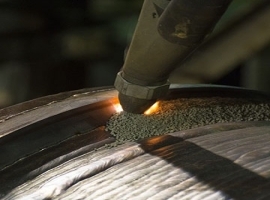
- Welding Fluxes: Primarily used in submerged arc welding (SAW), these granular materials are critical for heavy industrial applications like pressure vessel and pipeline manufacturing. Offering specific types, like a high-performance submerged arc welding flux hj431, can attract specialized industrial clients.
Welding Machines: The Capital Investment
While consumables drive volume, welding machines represent a higher-value sale. A good reseller strategy involves offering a tiered selection of equipment to cater to different budgets and needs. Your lineup should include:
- Entry-Level Machines: Simple, portable arc welders and small MIG units are perfect for hobbyists, small repair shops, and maintenance teams.
- Professional & Industrial Machines: More powerful and feature-rich multi-process units, such as a mig-mag-tig welding machine, appeal to professional fabricators and manufacturing facilities that require versatility and advanced controls.
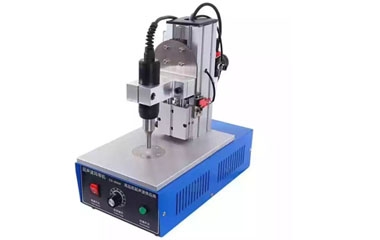
- Specialized Equipment: Depending on your market, you may consider stocking specialized machines like resistance welders or even plastic welding equipment to capture niche segments.
Logistics and Supply Chain Considerations for Bulk Orders
Sourcing bulk welding supplies, especially from an international manufacturer, requires careful planning around logistics and supply chain management. A smooth process ensures your inventory remains stocked and your capital isn't tied up in transit delays.
Clarify MOQ, Lead Times, and Payment Terms
Before committing to a supplier, have a transparent discussion about their commercial terms. Key points to clarify include:
- Minimum Order Quantity (MOQ): This is the smallest order a manufacturer will accept. For bulk industrial products, this is often measured in weight. A typical MOQ might be 1 ton, which is a manageable quantity for a distributor to stock.
- Production Lead Time: This is the time from when you place an order to when it is ready for shipment. A standard lead time of around 30 days is common, allowing the manufacturer to schedule production efficiently. Understanding this timeline is crucial for your inventory planning.
- Payment Terms: Discuss the payment schedule, such as the percentage required upfront and the balance due upon shipment. Clear terms prevent financial misunderstandings.
Packaging and International Shipping
Product integrity during transit is non-negotiable. Welding consumables, in particular, must be protected from moisture and physical damage. Ensure your supplier uses robust, sea-worthy packaging, such as vacuum-sealed foil bags for electrodes and reinforced pallets for heavy goods. This is especially important when shipping to distant markets like Brazil, Australia, Thailand, or Malaysia, where goods will spend considerable time in transit. Discuss shipping options (FOB, CIF) and work with a reliable freight forwarder to manage customs clearance and final delivery.
Building a Long-Term Replenishment Strategy
The most successful reseller-supplier relationships are long-term partnerships. Work with your supplier to establish a replenishment schedule based on your sales forecasts. A proactive supplier can help you manage your stock levels, notify you of production schedules, and provide technical support for their products. This collaborative approach transforms the relationship from a simple transaction into a strategic alliance, ensuring you always have the right products on hand to serve your customers and grow your business.
By carefully considering your market, vetting your supplier's capabilities, strategically building your product mix, and managing logistics, you can successfully launch and scale a profitable business centered on high-quality bulk welding supplies.