
How a Covered Electrode Coating Protects Welds
How Does a Covered Electrode Coating Protect the Weld?
For welding engineers and fabricators, understanding the intricate mechanisms behind successful welding operations is paramount. One of the most crucial, yet often underestimated, components is the coating of a covered electrode. Far more than a mere wrapper, this coating is a sophisticated chemical blend designed to perform multiple vital functions, ensuring the integrity and quality of the final weld. The protective layer actively participates in the welding process, transforming into a gas shield and a slag layer that collectively safeguard the molten weld pool from atmospheric contamination and stabilize the arc.
At Oldwelders, our commitment to providing high-quality welding materials is underpinned by a deep understanding of these fundamental principles. Our ISO 9001 certification reflects our dedication to quality management systems that ensure every product, from welding machine to welding rod, meets stringent industry standards. This focus on quality extends directly to the formulation and production of our welding fluxes, which are critical components in many electrode coatings. We utilize excellent raw materials such as dolomite, bauxite, cryolite, silica, and fluorine ore, melted at 2000 °C, to produce fluxes that deliver superior performance and protection.
The Essential Functions of Electrode Coatings
The coating on a covered electrode is a complex formulation engineered to fulfill several critical roles during the welding process. These functions are interdependent and collectively contribute to the stability of the arc, the protection of the weld pool, and the metallurgical properties of the deposited metal.
Gas Shielding for Weld Pool Protection
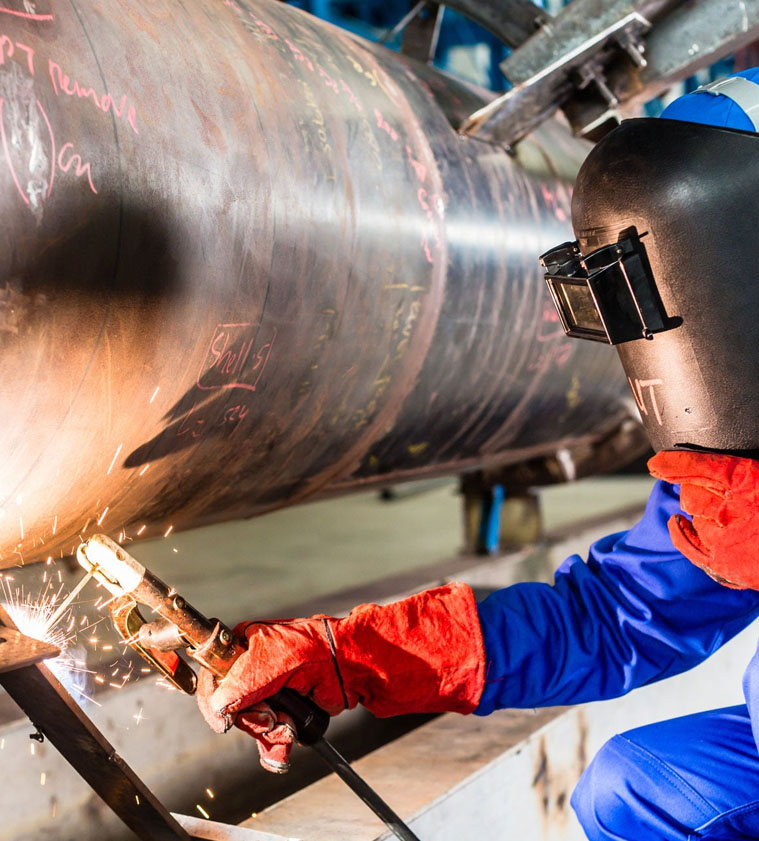
One of the primary functions of the electrode coating is to generate a protective gas shield around the arc and the molten weld pool. As the electrode heats, organic and inorganic compounds within the coating decompose, releasing gases such as carbon dioxide (CO2), carbon monoxide (CO), hydrogen (H2), and water vapor. These gases are heavier than air and effectively displace atmospheric oxygen and nitrogen from the welding zone. Oxygen can cause porosity and oxidation in the weld, leading to brittle joints. Nitrogen can form nitrides, which also embrittle the weld metal. By creating an inert or reducing atmosphere, the gas shield prevents these harmful reactions, preserving the metallurgical integrity of the weld.
Slag Formation and Its Dual Role
Simultaneously with gas generation, the coating melts to form a layer of molten slag that floats on top of the weld pool. This slag serves several crucial purposes:
- Physical Protection: The molten slag acts as a physical barrier, further shielding the weld pool from the surrounding atmosphere. It prevents direct contact with oxygen and nitrogen, augmenting the protection provided by the gas shield.
- Heat Retention: The slag layer insulates the molten metal, slowing down its cooling rate. This controlled cooling is vital for allowing dissolved gases to escape and for promoting a finer, more desirable grain structure in the solidified weld metal, which enhances mechanical properties.
- Refinement and Alloying: The slag can absorb impurities from the weld metal, such as sulfur and phosphorus, effectively cleaning the weld. Furthermore, specific elements within the coating, such as manganese, silicon, and various ferroalloys, can transfer into the weld pool through the slag. This process, known as alloying, allows for precise control over the metallurgical composition and mechanical properties of the weld, tailoring it for specific applications.
Arc Stabilization and Penetration Control
The coating also plays a significant role in arc stability. Elements like potassium and sodium, often present as silicates or carbonates in the coating, ionize readily in the arc, creating a stable plasma. This stable arc ensures consistent heat input, which is essential for uniform penetration and bead shape. The type and thickness of the coating can also influence arc characteristics, determining whether the arc is soft or forceful, which in turn affects penetration and the amount of spatter.
Chemical Composition and Its Impact
The specific chemical composition of the electrode coating is meticulously engineered to achieve the desired welding characteristics and weld metal properties. Different types of covered electrodes, such as rutile, basic, cellulosic, and acid, derive their unique properties from distinct coating formulations.
Key Constituents and Their Contributions:
- Cellulose: Found in cellulosic electrodes (e.g., E6010, E6011), it decomposes to produce large volumes of shielding gases, primarily hydrogen and carbon monoxide. This results in a deep penetrating arc suitable for root passes and welding in all positions. The high hydrogen content contributes to weld pool fluidity and fast freezing, but also requires careful consideration for hydrogen-induced cracking in certain steels.
- Rutile (Titanium Dioxide): Common in rutile electrodes (e.g., AWS E6013 welding electrodes), it provides a smooth, stable arc and an easily removable, viscous slag. Rutile coatings are known for their user-friendliness, good bead appearance, and excellent all-position welding capabilities, making them popular for general fabrication.
- Basic (Lime/Fluoride): Characterized by high concentrations of calcium carbonate (lime) and calcium fluoride (fluorspar), these coatings (e.g., E7018) produce a low-hydrogen weld metal with excellent mechanical properties, including high toughness and ductility. The slag is typically fluid and heavy, providing excellent protection against atmospheric contamination. Basic electrodes are preferred for welding high-strength steels and critical applications where hydrogen cracking is a concern.
- Silicates and Carbonates: These act as slag formers and arc stabilizers. Potassium and sodium silicates are often used as binders to hold the coating to the core wire.
- Ferroalloys: Manganese, silicon, chromium, nickel, and molybdenum are added to the coating in the form of ferroalloys to enhance the strength, toughness, corrosion resistance, or other specific properties of the weld metal.
Oldwelders leverages its extensive experience in welding fluxes production, utilizing premium raw materials like excellent dolomite, bauxite, and cryolite. Our plant, covering an area of 1000 square meters and equipped with six production lines, has the capacity to supply 100 tons of flux products a day. This robust production capability ensures that the high-quality fluxes essential for consistent electrode coating performance are readily available for our customers, including those in target markets such as Brazil, Thailand, Australia, and Malaysia.
The Protective Shielding Process During Welding
The protection offered by the electrode coating is a dynamic process that unfolds in distinct stages as welding progresses.
Initiation of the Arc and Coating Decomposition
When the arc is struck, the intense heat rapidly melts the tip of the electrode core wire and simultaneously heats the surrounding coating. The organic components in the coating quickly decompose, releasing the initial burst of shielding gases. These gases immediately begin to form a protective envelope around the nascent weld pool.
Formation of Gas and Slag Layers
As welding continues, the coating melts at a controlled rate, slightly slower than the core wire. This ensures that the coating extends beyond the molten tip of the wire, creating a "cup" or "crater" that helps to direct the shielding gases and contain the molten slag. The inorganic components of the coating melt to form the liquid slag layer, which flows over the molten weld pool. This dual action of gas and slag provides comprehensive protection against atmospheric ingress.
Refinement and Alloying in the Weld Pool
Within the molten pool, the slag facilitates metallurgical reactions. Impurities are absorbed into the slag, and alloying elements transfer from the slag into the weld metal. The slag also helps to shape the weld bead and control its solidification, promoting a sound, defect-free structure. The controlled cooling under the insulating slag layer minimizes thermal stresses and the risk of solidification cracking.
Solidification and Slag Removal
As the weld metal solidifies, the slag solidifies on its surface. This solid slag continues to protect the cooling weld metal from oxidation until it is cool enough to be exposed to air without harm. Once the weld has sufficiently cooled, the slag is typically brittle and can be easily chipped away, revealing the finished weld bead. The ease of slag removal is an important characteristic, and well-formulated coatings ensure minimal effort is required.
Benefits of Optimal Coating Performance
The effective performance of a covered electrode coating directly translates into significant benefits for the final weld and the overall fabrication process.
Superior Weld Quality and Integrity
The primary benefit is the production of high-quality welds free from defects such as porosity, inclusions, and oxidation. The robust shielding provided by the gas and slag layers ensures a clean weld metal, leading to excellent mechanical properties. This is critical for structural applications and components subjected to high stresses.
Enhanced Mechanical Properties
Through precise alloying elements incorporated into the coating, the weld metal can achieve specific mechanical properties, including increased tensile strength, yield strength, toughness, and ductility. For instance, low-hydrogen electrodes with basic coatings are crucial for welding critical components where resistance to hydrogen-induced cracking is paramount.
Versatility Across Applications
The diverse range of electrode coatings available allows for versatility in welding various materials and in different positions. Whether it's deep penetration for root passes, smooth beads for aesthetic finishes, or high-strength deposits for demanding structures, there is a covered electrode designed for the task. This versatility is further supported by our range of automatic welding machine options, which can be paired with appropriate electrodes for high-volume production.
Improved Welder Productivity and Efficiency
A well-designed electrode coating contributes to a stable arc, easy slag removal, and consistent weld bead appearance, which reduces the need for rework. This directly translates to improved welder productivity and efficiency, lowering overall fabrication costs. Our products, including various welding wire and welding rod options, are engineered to enhance these aspects of welding operations.
Selecting the Right Electrode for Your Application
Choosing the correct covered electrode is a critical decision that depends on several factors, including the base metal type, joint design, welding position, required mechanical properties, and environmental conditions. Understanding the role of the coating is fundamental to making an informed selection.
Oldwelders offers a comprehensive range of welding consumables and equipment, designed to meet the rigorous demands of industrial welding. Our minimum order quantity for many products is 1 ton, signifying our capacity to support both small and large-scale projects. With a standard lead time of 30 days, we ensure reliable and timely delivery of your essential welding supplies, whether you are in Brazil, Thailand, Australia, Malaysia, or elsewhere globally.
When evaluating electrodes, consider the following:
- Base Metal Compatibility: Ensure the electrode's chemical composition is compatible with the base metal to achieve desired metallurgical bonds and prevent defects.
- Mechanical Property Requirements: Select an electrode coating that will impart the necessary strength, toughness, and ductility to the weld metal for the intended application.
- Welding Position: Some coatings are better suited for specific positions (e.g., cellulosic electrodes for vertical down, rutile for all-position).
- Hydrogen Content: For critical applications or welding high-strength steels, low-hydrogen electrodes (basic coatings) are essential to prevent hydrogen-induced cracking.
- Ease of Use and Slag Removability: For general fabrication, electrodes with user-friendly characteristics and easy slag removal can significantly improve productivity.
Our team of experts is available to assist you in selecting the optimal welding solution, from understanding the nuances of a covered electrode to choosing the right arc welding machine for your specific needs. We pride ourselves on being a knowledgeable partner in the welding industry, providing not just products, but also insights into how they perform under various conditions.
In conclusion, the coating on a covered electrode is an ingeniously designed component that provides multifaceted protection to the weld. Through gas shielding, slag formation, arc stabilization, and alloying, it ensures the creation of strong, durable, and defect-free welds. A thorough understanding of its functions and careful selection of the appropriate electrode are indispensable for achieving optimal welding results in any industrial application.
===BODY===