
Field Limits of Covered Electrodes in Wet & Windy Weather
Why Wet and Windy Conditions Challenge Covered Electrode Performance
Shielded Metal Arc Welding (SMAW), commonly known as stick welding, is renowned for its versatility, portability, and effectiveness in a wide range of industrial applications. The core of this process is the covered electrode, a consumable that provides both the filler metal and the necessary shielding for the weld pool. While its robustness is a key advantage, especially in field fabrication and repair, project supervisors must understand its operational boundaries. In outdoor environments, particularly those exposed to rain, humidity, and high winds, the integrity of a weld can be significantly compromised if proper precautions are not taken. This article explores the specific limitations of using a covered electrode in adverse weather and outlines the best practices required to maintain weld quality and structural safety.
The Critical Function of the Electrode's Flux Coating
To understand why moisture and wind are such significant threats, it's essential to first appreciate the complex role of the flux coating on a stick electrode. This coating is far more than just a protective layer; it is a carefully engineered chemical system designed to perform several critical tasks simultaneously during the welding process.
- Shielding Gas Generation: As the electrode burns, the coating decomposes in the heat of the arc, releasing a cloud of inert or active gases. This gas cloud displaces the surrounding atmosphere—primarily nitrogen and oxygen—from the molten weld pool. Without this shield, the molten metal would react with the air, leading to severe porosity and brittleness.
- Slag Formation: The melted flux creates a liquid slag that floats on top of the molten weld pool. This slag layer protects the cooling weld metal from atmospheric contamination, helps shape the weld bead, and can influence the cooling rate, which affects the final mechanical properties of the weld.
- Arc Stabilization: The coating contains ionizing elements that help establish and maintain a stable, consistent electric arc between the electrode tip and the workpiece. A stable arc is crucial for smooth metal transfer and consistent heat input.
- Alloying and Deoxidation: The flux can contain deoxidizers to purify the weld metal and specific alloying elements to enhance the final weld's strength, toughness, or corrosion resistance.
When environmental factors like moisture or wind interfere with these functions, the carefully balanced system breaks down, leading to a host of weld defects and potential joint failures.
How Moisture Compromises Covered Electrode Integrity
Moisture is arguably the greatest enemy of a quality stick weld, especially when using low-hydrogen electrodes. The flux coatings on many electrodes are hygroscopic, meaning they readily absorb moisture from the air. When a damp electrode is used, the intense heat of the arc (which can exceed 2000 °C) breaks down the water (H₂O) into its components: hydrogen and oxygen.
The Danger of Hydrogen-Induced Cracking
The primary concern with moisture is the introduction of diffusible hydrogen into the weld metal and the heat-affected zone (HAZ). While some hydrogen escapes, a significant amount can become trapped within the atomic structure of the cooling steel. As the metal cools and transforms, this trapped hydrogen can cause immense internal pressure, leading to microscopic cracks. This phenomenon, known as hydrogen-induced cracking (HIC) or cold cracking, is particularly dangerous because the cracks may not appear for hours or even days after the weld is completed, potentially passing initial visual inspection only to fail catastrophically under load.
High-strength steels and thick sections are especially susceptible to HIC. This makes proper electrode handling a non-negotiable aspect of quality control in structural steel, pressure vessel, and pipeline fabrication.
Other Moisture-Related Defects
Beyond the critical risk of hydrogen cracking, excess moisture in the flux coating can cause a range of other visible and non-visible weld defects:
- Porosity: The rapid formation of steam within the arc can create gas bubbles that get trapped in the solidifying weld metal, resulting in surface or subsurface porosity. This weakens the weld's cross-section and can act as a stress concentrator.
- Arc Instability: A wet coating will not burn evenly, leading to an erratic, unstable arc. This makes it difficult for the welder to control the weld pool, resulting in inconsistent bead shape, poor fusion, and excessive spatter.
- Slag Inclusions: An unstable arc and turbulent weld pool can cause droplets of slag to become trapped within the weld metal instead of floating to the surface, creating internal discontinuities that compromise joint strength.
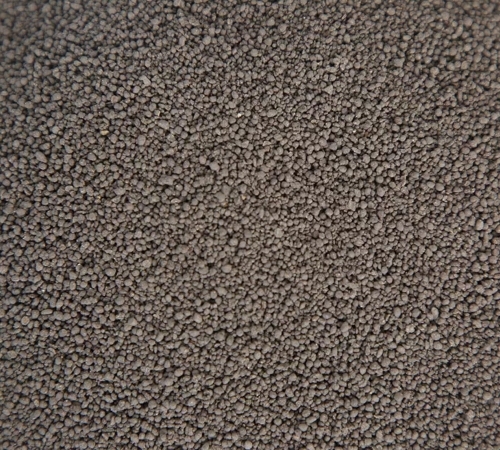
At Oldwelders, our production process for welding fluxes and electrodes begins with excellent raw materials like dolomite and bauxite, which are melted at 2000 °C. This meticulous, high-temperature process is designed to create a chemically stable flux with minimal potential for hydrogen, but this inherent quality must be protected through proper handling in the field.
The Impact of Wind on the Shielding Gas Envelope
While moisture attacks the electrode from the inside out, wind disrupts the welding process from the outside in. The protective gas cloud generated by the flux coating is crucial for isolating the molten weld pool from the atmosphere. Even a moderate breeze can be enough to blow this fragile shield away, exposing the weld to contamination.
Atmospheric Contamination
When the shielding is compromised, atmospheric gases—approximately 78% nitrogen and 21% oxygen—are drawn into the arc and the molten weld pool. This has immediate and detrimental effects:
- Nitrogen Embrittlement: Nitrogen absorption can form hard, brittle iron nitrides in the weld metal, severely reducing its ductility and toughness. This makes the weld more susceptible to cracking under stress or in low-temperature service.
- Oxidation and Porosity: Oxygen reacts with elements in the molten steel, forming oxides and carbon monoxide. If this gas doesn't escape before the metal solidifies, it results in widespread porosity.
Practical Welding Challenges
For the welder, working in windy conditions presents immediate control issues. The wind can cause the arc to wander or even extinguish, a phenomenon known as "arc blow." This makes it nearly impossible to maintain a consistent travel speed and arc length, leading to an uneven weld bead with poor tie-in at the toes of the weld. The result is a weld of inconsistent quality and appearance, which is often a cause for rejection during inspection.
Best Practices for Field Welding in Adverse Conditions
Given these challenges, site supervisors and project managers must implement strict process controls to mitigate the risks associated with wet and windy environments. Success depends not just on welder skill, but on a systematic approach to material handling and site preparation.
Proper Storage and Handling of Electrodes
Controlling moisture begins the moment the electrodes arrive on site. As an ISO 9001 certified manufacturer, we ensure our products are packaged to maintain their factory-fresh condition, but on-site procedures are critical.
- Keep Sealed: Leave electrodes in their original, hermetically sealed packaging until they are ready to be used.
- Use Rod Ovens: Once opened, low-hydrogen electrodes (such as aws e6013 welding electrodes and E7018) must be stored in a heated holding oven at the manufacturer's recommended temperature (typically 120-150 °C) to prevent moisture absorption.
- Re-baking: If electrodes are suspected of having been exposed to moisture, they must be re-baked in a re-baking oven at a higher temperature (e.g., 250-400 °C) for a specified time before being transferred to a holding oven. Always follow the manufacturer’s specific instructions.
- Limit Exposure: Welders should only carry enough electrodes for a few hours of work, often in a heated portable quiver. Any unused electrodes at the end of a shift should be returned to the holding oven.
Site Preparation and Wind Protection
Controlling the welding environment is just as important as controlling the consumables. Simple and effective measures can make a significant difference.
- Windbreaks: Erecting portable screens, tarps, or temporary walls around the work area is the most common method for shielding the arc from wind. Even simple barriers can be highly effective.
- Welding Habitats: For critical projects or in consistently windy locations, using enclosed, positive-pressure welding habitats provides the ultimate level of environmental control.
- Pre-heating: In damp or cold conditions, pre-heating the base metal before welding helps to drive off any surface condensation, reducing the risk of hydrogen entering the weld from the workpiece itself.
Knowing When to Consider Alternative Processes
While a covered electrode is incredibly versatile, there are situations where the environmental conditions are so severe that another process becomes a more reliable and cost-effective choice. Gas-shielded processes like MIG (GMAW) and TIG (GTAW) are generally unsuitable for windy field conditions unless extensive habitats are used. However, some self-shielded or dual-shielded processes offer superior resistance to wind.
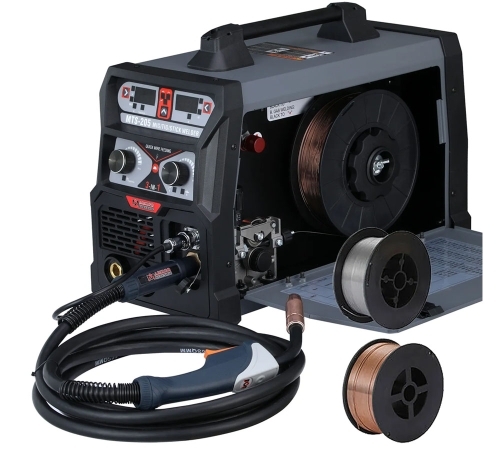
Flux-Cored Arc Welding (FCAW): This process uses a tubular wire filled with flux. The self-shielded version (FCAW-S) generates its own protective gas shield from the flux core, similar to a stick electrode but with a higher deposition rate and a more robust shielding action that can often tolerate more wind. The gas-shielded version (FCAW-G) provides an additional layer of protection from an external shielding gas. Exploring options like a quality flux-cored wire can be a practical solution for projects facing persistent wind issues.
Conclusion: Plan for the Environment to Ensure Weld Integrity
The success of field welding projects hinges on a realistic understanding of the tools and their limitations. The covered electrode remains a cornerstone of the industry due to its adaptability and simplicity. However, its performance is directly tied to the integrity of its flux coating, which is vulnerable to both moisture and wind. By implementing rigorous procedures for storage, handling, and site protection, project teams can effectively mitigate these environmental risks and produce sound, reliable welds.
With experience serving diverse markets from the humid climates of Brazil and Thailand to the expansive project sites in Australia, Oldwelders understands the real-world challenges of field fabrication. For expert guidance on selecting the right welding materials and developing robust procedures for your specific environmental conditions, contact our team of specialists today.