
Cold Saws for High-Integrity Steel Structure SAW
Why Precision Cutting is Crucial for High-Integrity Steel Structure SAW
In the world of heavy steel fabrication, every step in the process chain contributes to the final integrity of the structure. From the quality of the raw steel to the final coat of paint, no detail is too small. However, one of the most critical yet sometimes overlooked stages is the initial cut. The method used to cut structural I-beams, H-beams, and channels directly impacts the efficiency, cost, and, most importantly, the quality of the subsequent welding process. For fabricators specializing in large-scale projects, understanding the link between a clean cut and a sound weld is paramount. This brings us to a common question in the industry: are cold saws the superior choice for preparing structural beams, particularly for demanding applications that utilize submerged arc welding (SAW)?
The answer lies not just in the speed of the cut, but in the metallurgical and dimensional precision it delivers. A poor cut creates downstream problems that compound, leading to increased prep time, excessive consumable usage, and potential weld defects. Conversely, a perfect cut sets the stage for a seamless, high-quality welding operation, saving time and resources while ensuring the finished product meets stringent engineering standards. This article explores the differences between common cutting methods and makes the case for why the precision of cold sawing is a significant advantage for any fabrication shop focused on high-quality Steel Structure SAW.
Understanding Cutting Methods for Structural Steel
Before highlighting the benefits of a specific method, it's essential to understand the primary options available to fabricators for cutting heavy structural members. Each has its own set of advantages and disadvantages related to speed, cost, precision, and the finish of the cut edge.
Abrasive Saws
Abrasive saws, or chop saws, use a consumable abrasive disc spinning at high speed to grind through the metal. They are a common sight in many shops due to their relatively low initial investment cost.
- Process: The saw works through friction, generating immense heat to burn and abrade its way through the steel.
- Result: This method is fast but notoriously imprecise. The extreme heat creates a large Heat-Affected Zone (HAZ), which can alter the mechanical properties of the steel near the cut. The finished edge is often rough, with significant burrs and slag that require extensive secondary grinding and cleanup before welding. The cut is rarely perfectly square, which complicates joint fit-up.
Band Saws
Horizontal and vertical band saws are workhorses in the fabrication industry. They use a long, continuous blade with teeth to cut through the material. They are versatile and can handle very large workpieces.
- Process: The blade's teeth remove material in a more traditional cutting action compared to abrasive saws. Coolant is often used to manage heat and prolong blade life.
- Result: Band saws produce a much better finish than abrasive saws, with less heat input and a smaller HAZ. However, blade wander can be an issue on very thick sections, potentially leading to a cut that is not perfectly perpendicular to the beam's face. While better than an abrasive cut, some minor prep work may still be necessary.
Cold Saws
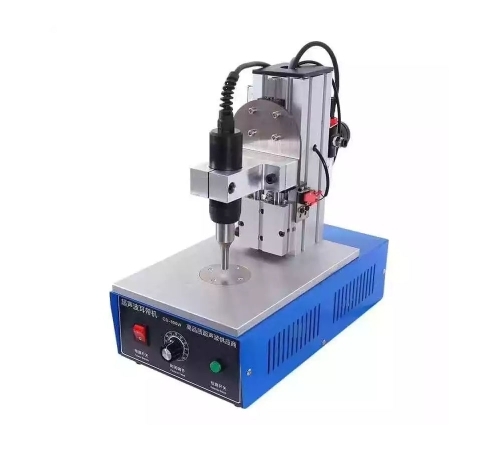
Circular cold saws are high-precision machines that use a toothed, high-speed steel (HSS) or carbide-tipped blade that rotates at a much lower RPM than an abrasive saw. They are designed for accuracy and surface finish.
- Process: The saw blade's teeth mill or shear the material, producing a true chip. A flood coolant system is integral to the process, continuously lubricating the blade and workpiece. This keeps both the blade and the material cool, virtually eliminating heat transfer into the steel.
- Result: The outcome is a perfectly square, mirror-like finish with no burrs and, critically, no HAZ. The dimensional accuracy is exceptionally high. The workpiece is ready for welding immediately after cutting, with no need for secondary grinding or deburring operations.
The Cold Saw Advantage: Precision and Minimal Heat
The term "cold saw" directly refers to its primary operational benefit: the cutting process generates minimal heat. By using a low RPM and a robust flood coolant system, the heat is transferred to the chips and the coolant, not absorbed by the structural beam. This has profound implications for the fabrication workflow.
Elimination of the Heat-Affected Zone (HAZ)
The HAZ created by abrasive saws or plasma/oxy-fuel cutting can change the microstructure of the steel, potentially hardening it and making it more brittle. This can compromise the integrity of the material at the most critical point: the weld joint. A cold saw completely avoids this issue, ensuring the steel's properties right up to the cut edge remain exactly as specified by the mill. For engineered structures where material specifications are non-negotiable, this is a significant advantage.
Superior Dimensional Accuracy and Surface Finish
A cold saw cut is characterized by its precision. The rigid construction of the machine and the nature of the milling-style cut produce an exceptionally flat and square surface. This is vital for joint fit-up. When two beams are brought together for a butt joint or T-joint, a perfectly square edge ensures there are no gaps. This tight fit-up is the foundation of a strong, consistent weld. The finish is so clean that it often requires no post-cut processing, allowing the part to move directly from the saw to the welding station.
The Impact of Cut Quality on Submerged Arc Welding (SAW)
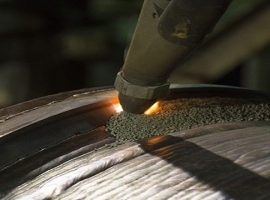
Submerged Arc Welding is a high-deposition, automated or semi-automated process favored for long, continuous welds in heavy structural fabrication. Its effectiveness, however, is highly dependent on the preparation of the joint. This is where the choice of cutting method becomes critically important.
A precise, square cut from a cold saw creates the ideal conditions for a successful SAW procedure. A perfect fit-up means:
- Consistent Root Opening: An even, minimal gap (or no gap for a square butt joint) allows for predictable and complete weld penetration. Gaps resulting from an angled or rough cut require the welder or automated system to compensate, which can lead to inconsistencies like lack of fusion or burn-through.
- Reduced Filler Metal Consumption: Large, uneven gaps must be filled with weld metal, which increases the consumption of expensive welding materials and adds to the overall cost of the project. A tight fit-up is the most economical joint design.
- Minimized Distortion: The more weld metal required to fill a joint, the more heat is introduced into the assembly, increasing the likelihood of warping and distortion. A clean, tight joint requires less weld volume and therefore less heat input.
At Oldwelders, we understand that weld quality is a system. It begins with proper preparation and ends with high-quality consumables. Our commitment to quality is validated by our ISO 9001 certification, ensuring that every batch of our welding flux and wire meets exacting standards. This dedication to quality complements the precision achieved by fabricators who invest in superior cutting methods, ensuring the final weld is as strong and reliable as the steel it joins.
Optimizing Your Fabrication Workflow: From Cut to Weld
While a cold saw may have a higher initial acquisition cost than an abrasive saw, its value becomes clear when analyzing the total fabrication workflow. The time saved by eliminating secondary operations like grinding and deburring can be substantial, especially in high-volume production environments. This time savings translates directly into lower labor costs and increased throughput.
Consider the journey of a structural beam through a fabrication shop:
- Abrasive Saw Workflow: Cut -> Move to Deburring Station -> Grind Face Square -> Clean Slag -> Move to Welding Station -> Weld (with potential difficulty managing gaps).
- Cold Saw Workflow: Cut -> Move to Welding Station -> Weld.
The streamlined process not only accelerates production but also creates a cleaner, safer work environment by reducing the dust and sparks associated with grinding. This efficiency is critical for fabricators serving demanding markets in Brazil, Thailand, Australia, and Malaysia, where project deadlines are tight and quality cannot be compromised.
To support such large-scale operations, a reliable supply chain is essential. Our 1000 square meter production facility, equipped with six dedicated production lines, has the capacity to supply up to 100 tons of high-performance welding fluxes per day. This ensures that even the largest structural steel projects have a consistent and dependable source of certified consumables. Our standard lead time is 30 days with a minimum order quantity of 1 ton, providing clear and predictable logistics for your project planning.
Partnering with a Reliable Consumables Supplier for Steel Structure SAW
So, are cold saws better for structural beams? For applications demanding the highest levels of precision and weld integrity, particularly those using an automated Steel Structure SAW process, the answer is a definitive yes. The initial investment pays dividends through improved quality, reduced labor costs, and increased production speed.
However, the perfect cut is only half of the equation. It must be paired with welding consumables that deliver consistent performance and flawless results. A high-quality flux is essential for the SAW process; it shields the arc, stabilizes it, and influences the chemical composition and mechanical properties of the finished weld. Our flux products, such as our high-performance submerged arc welding flux hj431, are produced from premium raw materials like dolomite, bauxite, and cryolite, which are melted at 2000 °C to create a homogenous, glass-like substance with precisely controlled properties.
Choosing the right equipment, from the saw that makes the first cut to the powerful welding machine that lays the final bead, is fundamental to success in steel fabrication. By prioritizing precision at every stage and partnering with a supplier that guarantees the quality of its consumables, you build a foundation of excellence that ensures the strength and longevity of your structural steel projects.