
Calculating Landed Cost for Steel Pipe SAW Shipments
Understanding the True Landed Cost of Steel Pipe SAW Shipments
For purchasing managers navigating the global market for industrial materials, acquiring welding materials like Steel Pipe SAW goes far beyond comparing ex-works prices. A comprehensive understanding of the total landed cost is crucial for accurate budgeting, competitive analysis, and successful procurement. This involves meticulously accounting for every expenditure from the supplier's factory gate to your final destination, ensuring there are no hidden surprises that erode profit margins or delay projects. At Oldwelders, with our ISO 9001 certification, we recognize the importance of transparency and precision in every aspect of the supply chain, extending our commitment to quality beyond our own welding fluxes and welding machine offerings.
This guide aims to deconstruct the various components that contribute to the landed cost of Steel Pipe SAW, providing purchasing managers with a robust framework for evaluating quotations from diverse global suppliers. By understanding these variables, you can make informed decisions that optimize your procurement strategy, whether you are sourcing for projects in Brazil, Thailand, Australia, or Malaysia.
Understanding the Foundation: Ex-Works Price for Steel Pipe SAW
The ex-works (EXW) price is the initial cost quoted by the manufacturer for the Steel Pipe SAW itself, ready for collection at their premises. While seemingly straightforward, several factors influence this base price, and understanding them is vital for a realistic cost assessment.
Raw Material Volatility and Quality
The core cost of Steel Pipe SAW is heavily dependent on the price of steel coils, which are subject to global market fluctuations. Beyond the base commodity, the quality and specific properties required for the pipe also play a significant role. For instance, pipes intended for high-pressure applications or corrosive environments will demand higher-grade steel alloys, increasing the ex-works price. Oldwelders understands the critical role of raw materials in welding applications. Our own flux products, for example, are made from excellent dolomite, bauxite, cryolite, silica, and fluorine ore, melted at 2000 °C to ensure superior performance. This dedication to material quality is a standard we expect throughout the entire manufacturing process that ultimately delivers your Steel Pipe SAW.
Manufacturing Processes and Overhead
The submerged arc welding (SAW) process itself is a highly efficient method for producing large-diameter, thick-walled pipes, but the sophistication of the manufacturing plant, labor costs, and energy expenditures all factor into the ex-works price. Suppliers with advanced automation and stringent quality control processes, such as those adhering to international standards like ISO 9001, might have slightly higher initial costs but often deliver superior reliability and consistency, reducing long-term risks and hidden costs associated with defects or failures.
Minimum Order Quantity (MOQ) Considerations
Manufacturers often impose a minimum order quantity (MOQ) to optimize their production runs. For Oldwelders, we have flexible solutions, with a minimum order quantity starting from just 1 ton. While this offers flexibility, purchasing quantities below a supplier's typical production batch for Steel Pipe SAW might incur a premium or lead to longer lead times. It is crucial to clarify the supplier's MOQ and how your desired quantity aligns with it. Larger orders generally benefit from economies of scale, leading to a lower per-unit cost.
Supplier's Profit Margins and Market Positioning
Finally, the supplier's own business model, competitive landscape, and desired profit margins will influence the ex-works price. Established manufacturers with strong reputations for quality and reliability, particularly those with significant production capacity such as Oldwelders, whose plant covers an area of 1000 square meters and has six production lines capable of supplying 100 tons a day, may command a price that reflects their expertise and operational efficiency. It’s important to balance cost considerations with the assurance of a dependable supplier.

Navigating the Global Supply Chain: Freight and Logistics for Steel Pipe SAW
Once the Steel Pipe SAW leaves the factory, a new set of costs emerges, often significantly impacting the total landed price. These are primarily related to freight, handling, and transportation logistics.
Incoterms and Their Impact
The chosen Incoterm (International Commercial Term) dictates where the cost and risk transfer from the seller to the buyer. Understanding these terms is paramount:
- EXW (Ex Works): The buyer bears all costs and risks from the seller's factory.
- FOB (Free On Board): Seller pays for transportation to the port of shipment and loading onto the vessel. Buyer takes over costs and risks once goods are on board.
- CIF (Cost, Insurance, and Freight): Seller pays for cost, insurance, and freight to the named port of destination. Risk transfers once goods are on board the vessel at the port of shipment.
- DDP (Delivered Duty Paid): Seller bears all costs and risks, including duties and taxes, until the goods are delivered to the buyer's specified destination. This offers the least risk for the buyer but often comes with a higher upfront cost from the seller.
Selecting the appropriate Incoterm can significantly shift the cost burden and administrative responsibility, making it a critical decision in your procurement strategy for Steel Pipe SAW.
Modes of Transportation
The method of transport heavily influences both cost and delivery time. Large-diameter Steel Pipe SAW is typically shipped via:
- Sea Freight: Most cost-effective for large volumes and heavy items, especially for intercontinental shipments to markets like Australia or Brazil. However, it has the longest transit times.
- Rail Freight: Efficient for inland transport over long distances in certain regions.
- Road Freight: Used for shorter distances, from ports to final destinations, or for regional deliveries.
- Air Freight: Rarely used for Steel Pipe SAW due to prohibitive costs and size/weight limitations, reserved only for extreme urgency.
Consider the dimensions and weight of your Steel Pipe SAW order. Oversized pipes may require specialized handling and larger vessels or vehicles, adding to the freight costs.
Port Charges and Handling Fees
At both the origin and destination ports, various charges accrue, including terminal handling charges (THC), wharfage fees, storage (demurrage for vessels, detention for containers), and loading/unloading costs. These can vary significantly by port and country, necessitating detailed quotes from your freight forwarder.
Last-Mile Delivery
The final leg of the journey, from the destination port or airport to your facility, involves domestic transportation. Factors such as road conditions, tolls, fuel prices, and the availability of specialized transport equipment (e.g., for oversized pipes) will influence this cost. When sourcing submerged arc welding flux hj431 or other consumables, these logistics are equally important to consider for overall operational efficiency.
Unpacking Regulatory Realities: Duties, Taxes, and Compliance for Steel Pipe SAW
Importing Steel Pipe SAW across international borders involves a complex web of duties, taxes, and regulatory compliance. These costs can be substantial and often overlooked in initial pricing comparisons.
Customs Duties and Tariffs
Each country imposes its own customs duties or tariffs on imported goods. These rates vary widely based on the product's Harmonized System (HS) code, country of origin, and existing trade agreements. For example, importing Steel Pipe SAW into Thailand might incur different tariffs than importing into Malaysia due to regional trade blocs or bilateral agreements. It’s crucial to accurately classify the Steel Pipe SAW and research the applicable tariff rates for your specific destination.
Value Added Tax (VAT) or Goods and Services Tax (GST)
Most countries levy a consumption tax, such as VAT or GST, on imported goods. This tax is typically calculated on the CIF value of the goods plus any applicable duties. While often recoverable for businesses, it represents a significant cash flow outlay that must be budgeted for. Understanding local tax regulations is key to avoiding unexpected expenses.
Anti-Dumping and Countervailing Duties
In some cases, governments may impose anti-dumping duties (ADD) or countervailing duties (CVD) on specific products, including steel products, to protect domestic industries from unfair trade practices. These duties can significantly increase the landed cost and are often subject to change. Staying informed about trade policy developments is essential for purchasing managers.
Import Licenses and Documentation
Certain products or countries may require specific import licenses or permits. The documentation required for customs clearance can be extensive, including commercial invoices, packing lists, bills of lading, certificates of origin, and product specifications. Errors or omissions in documentation can lead to delays, fines, and increased costs. Working with experienced customs brokers can streamline this process, especially for complex items like Steel Pipe SAW.
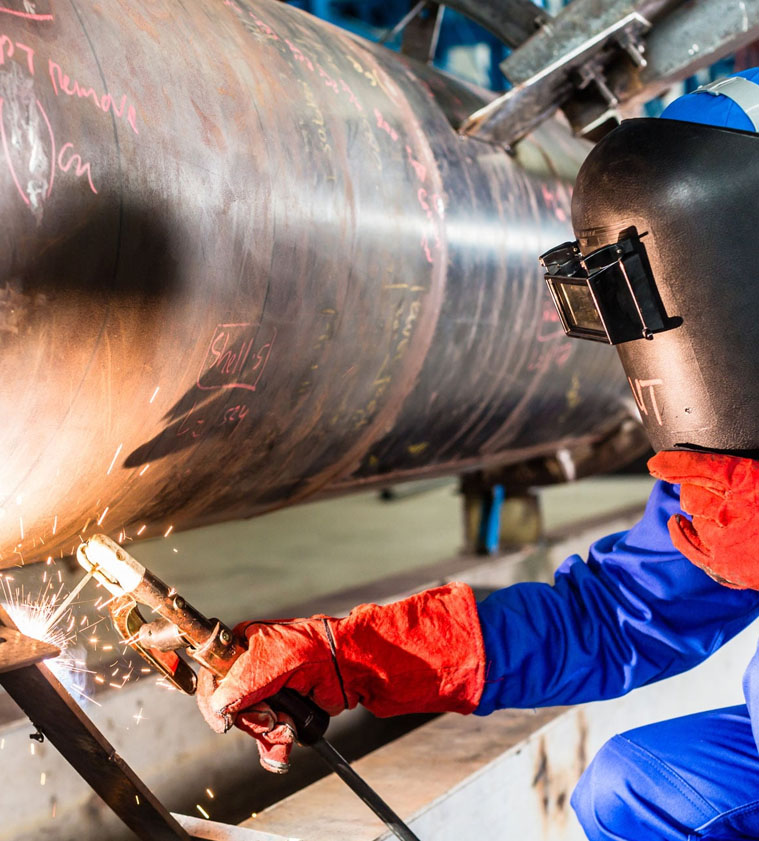
Beyond the Obvious: Mitigating Risks and Hidden Costs in Steel Pipe SAW Procurement
Even after accounting for ex-works price, freight, duties, and taxes, several less obvious "hidden" costs and risks can impact the total landed cost and overall project success. Proactive planning and risk mitigation are crucial.
Transit Insurance
While often included in CIF terms, it's vital to ensure adequate insurance coverage for your Steel Pipe SAW against loss, damage, or theft during transit. The cost of insurance is a small percentage of the cargo value but provides invaluable protection against potentially significant financial losses. Always confirm the scope of coverage and the deductible.
Currency Exchange Rate Fluctuations
When dealing with international suppliers, payments are often made in a foreign currency. Fluctuations in exchange rates between the time a quotation is received and the payment is made can significantly alter the actual cost. Hedging strategies, such as forward contracts, can help mitigate this risk, though they come with their own costs.
Quality Control and Inspection Costs
Ensuring the quality of the Steel Pipe SAW before shipment can prevent costly rework, delays, or outright rejection upon arrival. This might involve third-party inspection services at the factory or port of origin. While an added expense, these inspections provide peace of mind and verify compliance with specifications and standards. Oldwelders maintains rigorous quality standards, reflected in our ISO 9001 certification and our commitment to using only the best raw materials for our products.
Financing Costs and Payment Terms
The payment terms agreed upon with your supplier can also influence the total cost. If you require extended payment terms, the supplier might build a financing cost into their price. Conversely, paying upfront might secure a discount but ties up capital. Understanding the full financial implications of payment terms is part of the landed cost calculation. For consumables like flux-cored wire, managing payment terms efficiently is equally important for cash flow.
Contingency Planning
Unforeseen events such as natural disasters, labor strikes, geopolitical instability, or unforeseen regulatory changes can lead to delays and additional costs. Building a contingency buffer into your budget (typically 5-10% of the estimated landed cost) is a prudent measure to absorb these potential impacts without derailing your project.
Partnering for Value: How Oldwelders Supports Your Steel Pipe SAW Needs
At Oldwelders, we understand that successful procurement of materials like Steel Pipe SAW relies on more than just competitive pricing; it demands reliability, quality, and a comprehensive understanding of the entire supply chain. While we specialize in providing high-quality welding materials, including welding fluxes, welding wire, and welding rod, our commitment to excellence extends to helping our clients navigate the complexities of global sourcing.
Our operational scale, with a plant covering an area of 1000 square meters and six production lines, allows us to maintain consistent quality and supply capabilities, producing up to 100 tons a day of our various products. This robust infrastructure, combined with our ISO 9001 certification, provides a foundation of trust and efficiency that our B2B partners value. We bring this same ethos of quality and professionalism to every interaction, assisting purchasing managers in understanding the complete cost landscape for their critical materials.
By focusing on transparent communication and providing detailed insights into material specifications and supply chain considerations, Oldwelders helps you make informed decisions. Whether you are seeking a reliable supplier for your welding consumables or comparing comprehensive quotations for Steel Pipe SAW, our knowledgeable team is equipped to support your strategic procurement goals. We help you analyze not just the initial price, but the total value and cost efficiency over the entire lifecycle of your project, ensuring that your final acquisition is both economical and dependable.