
Bulk Welding Supplies: MOQ, Lead-Time & Shipping FAQs
Sourcing Bulk Welding Supplies For International Projects
For large-scale industrial, construction, and manufacturing operations, securing a consistent and reliable source of welding consumables and equipment is paramount. When your projects span countries and continents, the logistics of procurement become significantly more complex. As a first-time international buyer or a distributor planning to consolidate an order, you face critical questions about minimums, shipping regulations, and delivery timelines. This guide addresses the most common questions about ordering bulk welding supplies, providing the clarity needed to streamline your procurement process and partner with a capable global supplier.
At Oldwelders, we have extensive experience serving international clients in markets like Brazil, Thailand, Australia, and Malaysia. We understand the intricacies of cross-border fulfillment and are committed to making the process transparent and efficient for our partners. This article will walk you through the key considerations, from initial order quantity to final delivery.
Understanding Minimum Order Quantities (MOQs)
One of the first terms a bulk buyer encounters is the Minimum Order Quantity, or MOQ. This is the smallest quantity of a product that a supplier is willing to produce and sell in a single order. Understanding MOQs is essential for effective budget planning and inventory management.
Why Do MOQs Exist for Welding Products?
Suppliers establish MOQs for several practical reasons, all of which are tied to the economics of production and logistics:
- Production Efficiency: Setting up a production line involves significant time and cost. For products like welding fluxes, which are melted at 2000°C from raw materials like dolomite and bauxite, running the machinery for a very small batch is not economically viable. Larger runs distribute these setup costs over more units, making the per-unit price competitive.
- Raw Material Purchasing: We procure high-quality raw materials in large volumes to secure better pricing and ensure consistency. Production planning is based on these bulk purchases, making it inefficient to process orders that fall far below standard batch sizes.
- Packaging and Handling: Packaging for international freight is designed for pallets and container loads. Breaking these down for very small quantities adds labor costs and can increase the risk of damage during transit.
- Shipping Economics: The cost of shipping, especially for Less Than Container Load (LCL) shipments, has a high base rate. Shipping a very small quantity can make the per-kilogram freight cost prohibitively expensive. MOQs are often set at a level that makes shipping economically sensible for the buyer.
Typical MOQs at Oldwelders
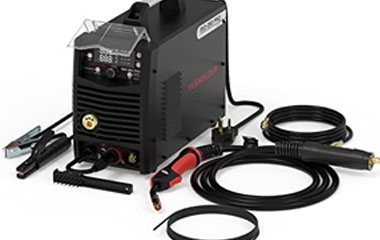
While MOQs can vary depending on the specific product, we maintain a standard MOQ of 1 ton for our core consumable products, including welding fluxes and wires. This quantity strikes a balance between accommodating the needs of serious commercial buyers and maintaining our production efficiency. For capital equipment like a arc welding machine or other specialized units, the MOQ is often much lower—sometimes just a single unit—but it is most cost-effective to ship them as part of a larger consolidated order.
Navigating Production Lead Times and Capacity
Once an order is placed, the next critical factor is the lead time—the period between order confirmation and when the goods are ready for shipment. For international buyers, factoring this into project timelines is crucial to avoid costly delays.
What Influences Lead Time?
Several factors contribute to the overall lead time for an order of bulk welding supplies:
- Order Volume: Larger orders naturally require more production time. However, a high-capacity facility can manage this efficiently.
- Product Complexity: Standard consumables like AWS E6013 welding electrodes may have shorter lead times than custom-formulated fluxes or complex machinery.
- Raw Material Availability: While we maintain significant stock, global supply chain fluctuations can occasionally impact the availability of specific minerals or components.
- Production Scheduling: Your order is placed into a production queue. A factory with greater capacity and more production lines can offer more flexible and reliable scheduling.
- Quality Assurance: Rigorous testing and inspection are built into the manufacturing process. This essential step ensures every batch meets our ISO 9001 certified standards and cannot be rushed.
Our Production Capabilities
To provide our clients with reliable and predictable lead times, we have invested heavily in our manufacturing infrastructure. Our plant covers an area of 1000 square meters and is equipped with six modern production lines. This allows us to achieve a formidable production capacity of up to 100 tons per day for our flux products. For most standard orders, we can confidently commit to a lead time of 30 days from order confirmation to readiness for dispatch. This capacity ensures that even very large orders are fulfilled without compromising quality or creating unforeseen delays.
International Shipping and Hazardous Materials (Hazmat)
Shipping industrial products across borders involves navigating a complex web of regulations, documentation, and carrier restrictions. While many welding products are straightforward to ship, buyers must be aware of potential challenges, particularly concerning items classified as hazardous materials.
Common Shipping Considerations
Most welding consumables, such as welding wire, rods, and fluxes, are considered general cargo and do not face major shipping restrictions. The primary considerations are proper packaging to prevent moisture and damage, accurate weight declarations, and correct customs documentation.
However, a consolidated order of welding supplies can sometimes include items that require special handling:
- Compressed Gas Cylinders: Gases like Argon and CO2 are fundamental to many welding processes. However, they are classified as hazardous materials (Class 2: Gases) and are subject to stringent international shipping regulations. It is often more practical for buyers to source gases locally than to import them.
- Aerosols: Products like anti-spatter spray or cleaning solvents in aerosol cans are also classified as hazardous (flammable aerosols) and face restrictions for both air and sea freight.
- Lithium Batteries: Some modern welding equipment, particularly portable units, may contain lithium-ion batteries. These are heavily regulated, especially for air freight, and require special declaration, packaging, and labeling.
At Oldwelders, our core product lines—including our comprehensive range of welding materials and machines—are manufactured to be shipped safely and efficiently as general cargo, simplifying the logistics for our international partners.
Required Documentation for a Smooth Process
Working with an experienced exporter is key to ensuring all paperwork is in order. A typical international shipment will require:
- Commercial Invoice: Details the transaction between the seller and buyer.
- Packing List: Itemizes the contents of the shipment, including weights and dimensions.
- Bill of Lading (B/L) or Air Waybill (AWB): The contract between the cargo owner and the carrier.
- Certificate of Origin: Certifies the country where the goods were manufactured.
- Quality Certifications: We provide copies of our ISO 9001 certification to attest to our quality management systems.
Our logistics team has a proven track record of managing documentation for shipments to diverse markets, including Australia, Brazil, and Southeast Asia, ensuring a smooth customs clearance process for our clients.
Consolidating Your Order for Maximum Value
For international buyers, the most effective procurement strategy involves consolidating multiple product types into a single shipment. Instead of placing separate orders for consumables, equipment, and accessories, a consolidated approach offers significant advantages in cost, convenience, and efficiency.
Benefits of Order Consolidation
By planning your purchase of bulk welding supplies strategically, you can optimize your entire supply chain. The primary benefits include:
- Reduced Shipping Costs: The cost per unit drops significantly when you ship a Full Container Load (FCL) compared to multiple LCL shipments. Filling a 20-foot or 40-foot container is the most economical way to import goods.
- Simplified Logistics and Customs: Managing one shipment with one set of documents is far simpler than juggling multiple shipments from different suppliers, each with its own timeline and paperwork.
- Lower Administrative Overhead: A single point of contact, one purchase order, and one payment transaction reduce the administrative burden on your procurement team.
- Ensured Compatibility: Sourcing your machines and consumables from the same manufacturer guarantees that they are designed to work together for optimal performance. For example, pairing our high-grade submerged arc welding flux hj431 with the appropriate solid wire and equipment ensures a flawless welding process.
Example of a Consolidated Order
A distributor in Malaysia, for instance, could build a highly efficient order that meets their diverse market needs. Such an order might include:
- 10 tons of our primary welding flux.
- 5 tons of flux-cored welding wire.
- 5 tons of solid welding wire.
- 10 units of our versatile MIG/MAG/TIG welding machines.
- A pallet of common replacement parts and welding accessories.
This combined order would easily fill a container, maximizing the value of the freight cost while providing the distributor with a comprehensive inventory to serve their customers.
Partner with a Reliable Global Supplier
Sourcing bulk welding supplies internationally does not have to be a daunting task. By understanding the roles of MOQs, planning for production lead times, and working with a supplier who is an expert in global logistics, you can build a resilient and cost-effective supply chain. An experienced partner provides not only high-quality products but also the support and transparency needed to navigate the complexities of international trade.
Our commitment to quality is backed by our ISO 9001 certification and a manufacturing process that begins with excellent raw ores melted at 2000°C. With a daily production capacity of 100 tons and a standard 30-day lead time, we are equipped to be your long-term partner for all your welding needs. Contact us today to discuss your requirements and receive a detailed quote for your next international order.