
What Does Welding Slag Do in Arc Welding?
What Does Welding Slag Do in Arc Welding?
For fabrication engineers and welders, understanding every component of the welding process is crucial for achieving optimal results. One such component, often overlooked but fundamentally important, is welding slag. While it may seem like a mere byproduct, the formation and presence of welding slag play a critical role in arc welding, particularly in shielded metal arc welding (SMAW) and submerged arc welding (SAW) processes. This article delves into the indispensable functions of this molten layer, exploring how it protects the weld, influences its metallurgical properties, and ultimately contributes to the quality and integrity of the final joint.
Understanding the Formation and Purpose of Welding Slag
Welding slag is a non-metallic, glassy waste product that forms over the molten weld metal during and after the welding process. It is primarily derived from the flux coating on electrodes in SMAW, or granular flux in SAW, that melts alongside the base and filler metals. The intentional design of these fluxes ensures that the resulting slag serves multiple vital purposes, transforming a seemingly undesirable residue into an essential element of high-quality arc welding.
The Chemistry Behind Slag Formation
The formation of slag is a sophisticated chemical process. The flux materials, which are carefully formulated mixtures, melt under the intense heat of the arc. These raw materials, including excellent dolomite, bauxite, cryolite, silica, and fluorine ore, are melted at temperatures up to 2000 °C during their production to ensure optimal performance. As they melt, they react with impurities in the weld pool and the surrounding atmosphere, forming a molten layer that floats on top of the denser molten metal. This layer then solidifies as the weld cools, creating the characteristic brittle, often dark, covering known as slag.
The specific composition of the flux dictates the physical and chemical properties of the resulting slag. Different types of fluxes are engineered to produce slags with varying characteristics, such as viscosity, melting point, and chemical reactivity. For instance, basic fluxes tend to produce slags that offer excellent mechanical properties and crack resistance, while rutile fluxes often provide a smoother bead appearance and easier slag removal. The precise control over these raw materials and their processing is a hallmark of quality welding fluxes, ensuring consistent and reliable performance.
Primary Functions of Slag in the Welding Process
The roles of slag are multifaceted and critical to successful arc welding. Firstly, it acts as a protective shield for the molten weld pool. Secondly, it influences the metallurgical composition and grain structure of the solidified weld metal. Thirdly, it helps to shape the weld bead and controls cooling rates. Without these functions, welds would be prone to defects, weak points, and poor aesthetic quality. Understanding these primary functions highlights why the right flux, leading to the right slag, is paramount for any welding operation.
The Protective Role of Slag in Arc Welding
The most immediate and critical function of the slag layer is protection. The molten weld pool is extremely susceptible to contamination from atmospheric gases such as oxygen and nitrogen, which can lead to porosity, embrittlement, and reduced mechanical strength in the final weld. Slag provides a physical barrier, shielding the vulnerable molten metal from these harmful elements.
Shielding the Molten Weld Pool
As the arc melts the electrode or wire and the base metal, a pool of molten metal forms. Simultaneously, the flux melts and forms a liquid slag layer on top of this pool. This molten slag physically separates the molten metal from the surrounding air. It acts as a sacrificial barrier, absorbing and reacting with atmospheric gases that might otherwise diffuse into the weld pool. This shielding action is vital for preventing defects such as:
- Porosity: Gas bubbles trapped within the solidifying weld metal.
- Nitriding: Absorption of nitrogen, leading to increased hardness and brittleness.
- Oxidation: Formation of oxides, which can weaken the weld joint and compromise corrosion resistance.
In addition to physical shielding, the slag also contains deoxidizers and denitriders that chemically react with any oxygen or nitrogen that manages to penetrate the arc atmosphere, further purifying the weld metal. This dual action of physical and chemical protection ensures a cleaner, stronger weld, a fundamental requirement for structural integrity in diverse applications, from heavy machinery to intricate fabrications.
Influencing Weld Bead Shape and Metallurgy
Beyond protection, slag significantly influences the physical appearance and internal structure of the weld bead. The viscosity and surface tension of the molten slag affect how the weld metal flows and solidifies, thereby controlling the bead shape and profile. A well-controlled slag promotes a smooth, uniform bead with good penetration and minimal spatter.
Metallurgically, the slag acts as a refining agent. It can introduce alloying elements into the weld metal from the flux, enhancing properties such as strength, toughness, and corrosion resistance. Conversely, it can absorb undesirable impurities from the base metal, effectively cleaning the weld pool. Furthermore, the insulating properties of the slag slow down the cooling rate of the weld metal. This controlled cooling allows for more favorable metallurgical transformations to occur, reducing residual stresses and preventing the formation of brittle microstructures, which is particularly important for achieving desired mechanical properties in the finished welding materials.
Slag's Impact on Weld Quality and Post-Weld Operations
The presence of slag undeniably contributes to weld quality, but it also introduces considerations for post-weld processing. Understanding both the advantages and the necessary steps for slag removal is crucial for efficient and effective fabrication.
Advantages for Weld Integrity
The contributions of slag to weld integrity are considerable:
- Enhanced Mechanical Properties: By shielding, deoxidizing, and introducing beneficial alloying elements, slag helps produce welds with superior tensile strength, ductility, and impact toughness.
- Improved Weld Appearance: A properly formed slag can result in a smoother, more aesthetically pleasing weld bead, reducing the need for extensive post-weld grinding.
- Reduced Defects: The protective and refining actions of slag significantly minimize common welding defects such as porosity, inclusions, and cracking. This leads to fewer reworks and higher productivity.
- Controlled Heat Dissipation: The insulating layer of slag helps to govern the cooling rate of the weld, preventing rapid quenching that could lead to hardened, brittle zones or cracking in sensitive materials.
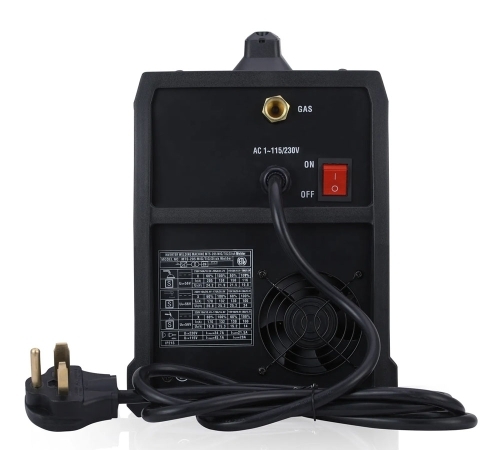
These advantages are why welding processes utilizing flux, such as those performed with an arc welding machine, remain highly prevalent across various industries. The consistent quality delivered by such processes, underpinned by effective slag formation, is invaluable for critical applications.
Challenges and Slag Removal Considerations
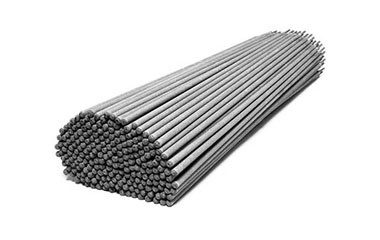
Despite its benefits, slag is a by-product that must typically be removed after welding. Slag removal is a post-weld operation that requires time and effort, usually involving chipping hammers, wire brushes, or grinding. In multi-pass welding, slag must be removed between passes to prevent inclusions in subsequent layers. In some applications, particularly with certain types of submerged arc welding flux HJ431, the slag may be self-peeling, making removal easier. However, for many common electrodes like AWS E6013 welding electrodes, manual removal is often necessary.
Factors influencing the ease of slag removal include:
- Flux Type: Different flux formulations produce slags with varying degrees of adhesion to the weld metal.
- Weld Profile: A smooth, consistent bead often makes slag removal simpler than an uneven or excessively convex bead.
- Welding Parameters: Incorrect amperage, voltage, or travel speed can affect slag formation and its subsequent ease of removal.
Efficient slag removal is essential not only for aesthetic reasons but also to prepare the weld for subsequent operations like painting, coating, or non-destructive testing. Residual slag can act as a stress concentrator or interfere with protective coatings, so thorough cleaning is a critical step in ensuring long-term weld performance.
Optimizing Slag Performance with Quality Welding Fluxes
The effectiveness of slag in arc welding is directly dependent on the quality and composition of the welding flux used. As a reputable B2B supplier, Oldwelders understands that superior flux products are the foundation for superior welds. Our commitment to excellence begins with the selection of raw materials and extends through every stage of production.
Oldwelders' Commitment to Quality Flux Products
At Oldwelders, we pride ourselves on delivering welding consumables that meet the stringent demands of modern industry. Our range of welding fluxes is produced using excellent dolomite, bauxite, cryolite, silica, fluorine ore, and other high-grade ores, all precisely melted at 2000 °C to create robust and consistent formulations. This meticulous process ensures that our fluxes produce optimal slag characteristics for effective weld protection, metallurgical refinement, and ease of removal.
Our manufacturing facility, which covers an area of 1000 square meters and houses six production lines, is designed for both scale and precision. This capacity allows us to supply up to 100 tons of product a day, meeting the demands of large-scale projects and ensuring a reliable supply chain for our clients. Furthermore, our operations are ISO 9001 certified, providing an independent assurance of our unwavering commitment to quality management systems and continuous improvement. We understand that for our clients, the minimum order quantity of 1 ton ensures that even specialized requirements can be met efficiently, with a typical lead time of 30 days for production and dispatch.
Global Reach and Reliability in Welding Material Supply
Oldwelders serves a diverse international client base, providing high-performance welding machine and welding materials to target markets including Brazil, Thailand, Australia, and Malaysia. Our global presence is a testament to the reliability and quality of our welding flux products and our broader range of welding solutions. We understand the unique challenges faced by engineers and fabricators in different regions and strive to provide tailored solutions that contribute to their operational success.
By choosing Oldwelders, you partner with a supplier dedicated to enhancing your welding operations through technically superior products. Our expertise in flux formulation guarantees that the slag produced by our consumables will effectively perform its critical functions, leading to stronger, cleaner, and more reliable welds, project after project.
Conclusion
In conclusion, the role of welding slag in arc welding is far more complex and beneficial than a simple waste product. It is an engineered component of the welding process, fundamentally responsible for protecting the molten weld pool from atmospheric contamination, refining its metallurgical composition, and influencing the final bead shape and cooling rate. While its removal is a necessary post-weld step, the advantages it provides in terms of weld integrity and quality are indispensable.
For professionals seeking to achieve superior weld performance, selecting high-quality welding fluxes is paramount. Oldwelders stands ready as your trusted partner, offering ISO 9001 certified flux products developed with precision and backed by significant production capacity. By understanding and appreciating what welding slag does, engineers and welders can make more informed decisions about their processes and consumables, ultimately leading to higher quality and more durable welded structures.