
Welding Supplies: Export Buyer RFQ Questions
Understanding Key RFQ Questions for Export Buyers of Welding Supplies
For B2B export buyers, the procurement of welding supplies represents a critical investment requiring meticulous due diligence. The quality, reliability, and consistency of these products directly impact operational efficiency, project integrity, and ultimately, your bottom line. Navigating the global market to find a suitable supplier for a diverse range of items—from welding machines to welding fluxes—demands a structured approach. This article outlines essential Request for Quotation (RFQ) questions that export buyers should pose to potential suppliers, ensuring a comprehensive evaluation and a robust, long-term partnership.
The goal is not merely to compare prices, but to thoroughly assess a supplier's capabilities, quality assurance protocols, logistical expertise, and commitment to customer support. By asking precise and probing questions, buyers can mitigate risks, ensure compliance with international standards, and secure a consistent supply of high-grade welding consumables and equipment. This guide is designed to empower procurement professionals with the framework needed to make informed decisions, transforming a complex procurement process into a strategic advantage.
Supplier Qualifications and Certifications for Welding Supplies
The foundation of any strong B2B relationship is trust, built upon a supplier's proven track record and adherence to international quality standards. When evaluating potential partners for your welding supplies needs, it is imperative to delve into their operational and quality credentials. These questions help establish a baseline of competence and reliability.
What Quality Certifications Does Your Company Hold?
A supplier's commitment to quality is often underscored by its certifications. For manufacturers of welding equipment and materials, holding internationally recognized certifications is non-negotiable. Buyers should specifically inquire about certifications such as ISO 9001. This certification indicates that a company operates a robust quality management system, ensuring consistent product quality and continuous improvement. Oldwelders, for instance, operates under the rigorous framework of ISO 9001, demonstrating a steadfast commitment to maintaining high standards across all its processes, from manufacturing to customer service. This provides a critical assurance that the welding supplies you procure meet stringent quality benchmarks.
Can You Provide Information on Your Manufacturing Experience and Market Reach?
Understanding a supplier's history and market penetration offers insights into their stability and adaptability. Inquire about how long the company has been in operation, their primary manufacturing focus, and their global presence. A supplier with extensive experience in manufacturing various welding supplies, including welding machines, welding wire, welding rod, and welding fluxes, is better equipped to understand and meet diverse client requirements. Furthermore, a broad market reach indicates a supplier's capability to handle international logistics and compliance. Oldwelders serves a global client base, with significant market presence in key regions such as Brazil, Thailand, Australia, and Malaysia, underscoring its expertise in international trade and its ability to cater to diverse regulatory environments.
What Are Your Company's R&D Capabilities and Innovation Strategy?
The welding industry is constantly evolving, with new technologies and materials emerging regularly. A forward-thinking supplier invests in research and development to improve existing products and innovate new solutions. Ask about their R&D team, their approach to product innovation, and how they stay abreast of industry advancements. This demonstrates their commitment to offering cutting-edge welding supplies that can provide a competitive edge in your operations. A supplier's capacity for innovation ensures that your future procurement needs will be met with advanced and efficient solutions.
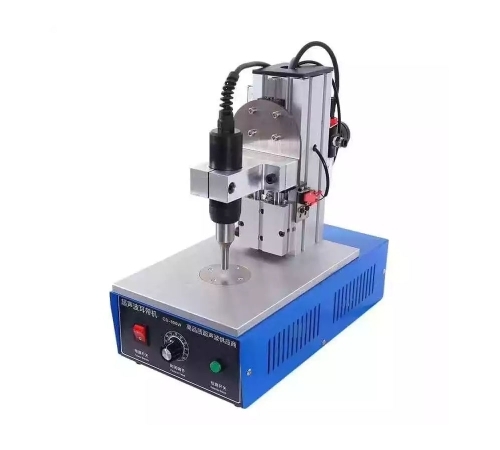
Product Specifications and Quality for Your Welding Supplies Order
The core of any welding supplies RFQ lies in the detailed specifications and quality assurance for the products themselves. Export buyers must ensure that the materials and equipment they purchase meet precise technical requirements and perform reliably under various operational conditions. This section details the critical questions concerning product integrity.
How Do You Ensure the Quality and Consistency of Your Welding Machines, Wires, Rods, and Fluxes?
Each category of welding supplies—be it a sophisticated arc welding machine or essential welding consumables like electrodes—requires specific quality controls. Inquire about the raw material sourcing, manufacturing processes, and final product testing for each item. For welding fluxes, for instance, the quality begins with the raw materials. Oldwelders utilizes excellent dolomite, bauxite, cryolite, silica, and fluorine ore, which are meticulously melted at 2000 °C to ensure optimal purity and performance. This rigorous raw material selection and high-temperature processing are fundamental to producing high-quality welding fluxes. Understanding these specifics helps confirm the supplier's commitment to delivering consistent quality across their product range.
Can You Provide Detailed Technical Specifications and Data Sheets for Your Products?
Request comprehensive data sheets for all products, including chemical compositions, mechanical properties, and performance characteristics. For welding wires, such as solid wire or flux-cored wire, this might include tensile strength, yield strength, and elongation. For welding machines, details like input power, output current range, duty cycle, and applicable welding processes (e.g., MIG/MAG/TIG welding machine capabilities) are crucial. These documents are vital for comparing products, ensuring compatibility with your existing equipment, and verifying compliance with relevant industry standards.
What Quality Control and Testing Procedures Are Implemented During Production?
A robust quality control (QC) system is paramount. Ask about in-process inspections, final product testing, and how non-conforming products are handled. Does the supplier conduct destructive and non-destructive testing? Are there batch-specific test reports available? For critical items like welding fluxes, independent laboratory testing or certifications for specific applications (e.g., submerged arc welding flux HJ431) can provide additional assurance. A transparent QC process demonstrates a supplier's dedication to delivering defect-free products.
Production, Logistics, and Delivery of Welding Supplies
Beyond product quality, the efficiency of a supplier's production and logistical capabilities is crucial for export buyers. Timely delivery, appropriate packaging, and the ability to meet fluctuating demand are key factors in maintaining smooth operations. These questions address the practical aspects of getting your welding supplies from the factory to your facility.
What is Your Production Capacity for Welding Supplies and What is Your Minimum Order Quantity (MOQ)?
Understanding a supplier's production capacity is vital for ensuring they can meet your volume requirements, especially for large or recurring orders. Inquire about their total manufacturing footprint and daily output. Oldwelders, for example, operates a plant covering an area of 1000 square meters, equipped with six production lines. This robust infrastructure allows for a significant daily production capacity, capable of supplying up to 100 tons of flux products per day. This substantial capacity ensures that even large-scale orders for welding fluxes can be met efficiently. Additionally, clarify the Minimum Order Quantity (MOQ) for various products. Oldwelders typically accommodates orders with a minimum of 1 ton, providing flexibility for diverse procurement needs while maintaining production efficiency.
What Are Your Standard Lead Times for Different Welding Supplies, Including Production and Shipping?
Lead time is a critical factor in supply chain planning. Ask for typical lead times for manufacturing and preparation for shipment, as well as estimated transit times to your target markets. Oldwelders maintains a standard lead time of 30 days for many of its products, reflecting an optimized production and logistics process designed to deliver your welding supplies efficiently. Understanding these timelines allows you to plan your procurement schedule accurately and avoid disruptions. Also, inquire about their ability to manage expedited orders or accommodate specific delivery schedules.
What Are Your Packaging Standards and Export Logistics Capabilities?
Proper packaging is essential for protecting welding supplies during international transit. Ask about their packaging materials, labeling, and whether they comply with international shipping regulations. Furthermore, assess their experience with export logistics. Do they handle customs documentation, freight forwarding, and insurance? A supplier with established export procedures, especially to regions like Brazil, Thailand, Australia, and Malaysia, can streamline the shipping process and minimize potential delays or complications at customs. This expertise is invaluable for ensuring your welding supplies arrive safely and on schedule.

Commercial Terms and After-Sales Support for Your Welding Supplies
The financial and support aspects of a supplier relationship are just as important as product quality and delivery. Clear commercial terms and reliable after-sales support ensure a smooth transaction and address any issues that may arise post-purchase. These questions help define the partnership's enduring value.
What Are Your Payment Terms, Pricing Structure, and Warranty Policies?
Clearly define the payment terms, including deposit requirements, payment milestones, and accepted methods of payment. Understand the pricing structure for different volumes and product types, and inquire about any potential discounts for bulk orders or long-term contracts. Equally important are the warranty policies for automatic welding machines, resistance welding machines, and other equipment. Ask about the duration of the warranty, what it covers (parts, labor, etc.), and the process for making a warranty claim. Transparent commercial terms build confidence and lay the groundwork for a fair and equitable business relationship.
What Technical Support and After-Sales Services Do You Provide?
The availability of technical support post-purchase is crucial, particularly for complex equipment like high grade energy welding machines or specialized welding machines. Inquire about the channels for technical assistance (phone, email, online portal), response times, and the expertise of their support team. Do they offer troubleshooting guides, spare parts availability, or even on-site training for your technicians? For consumables, understand their support for material selection and application guidance. Comprehensive after-sales support can significantly reduce downtime and optimize the performance of your welding supplies.
What is Your Policy for Returns, Replacements, and Handling Defective Products?
Even with the most stringent quality controls, issues can occasionally arise. A clear policy for handling returns, replacements, or defective products is essential. Ask about the process for reporting defects, the timeframe for resolution, and who bears the costs associated with returns or replacements. A supplier with a transparent and customer-friendly policy demonstrates accountability and commitment to customer satisfaction, which is a hallmark of a reliable long-term partner for all your welding supplies needs.
Conclusion
Selecting the right supplier for your organization's welding supplies is a strategic decision that impacts operational efficiency, product quality, and financial performance. By asking these comprehensive RFQ questions, export buyers can move beyond basic price comparisons to conduct a thorough evaluation of a potential partner's capabilities, quality assurance, production capacity, logistical expertise, and after-sales support. A supplier that can confidently and transparently address these inquiries, backed by demonstrable certifications, robust production facilities like Oldwelders' 1000 square meter plant with six production lines, and a track record of serving international markets such as Brazil, Thailand, Australia, and Malaysia, is well-positioned to be a valuable asset to your supply chain. Investing time in this detailed vetting process will streamline your welding supplies procurement, minimize risks, and foster a reliable, long-term partnership that supports your business objectives effectively.