
Welding Slag: Spotting Inclusion Risk Between Passes
How to Identify High-Risk Welding Slag Before It Becomes a Defect
In any multi-pass welding operation, the formation of a slag layer is a normal and necessary part of the process. This protective coating shields the molten weld pool from atmospheric contamination, ensuring a sound metallurgical structure. However, the line between a beneficial protective layer and a critical weld defect is crossed when this material becomes trapped between passes. Understanding the visual cues of high-risk welding slag is crucial for inspectors, supervisors, and operators aiming to prevent costly and dangerous slag inclusion defects in structural and pressure-rated applications.
A simple failure to completely remove the slag from one pass before applying the next can compromise the entire integrity of the joint. This guide moves beyond basic removal techniques to focus on the critical inspection step in between: how to visually assess the slag layer and the weld bead profile to identify situations where the risk of trapping slag is unacceptably high. By learning to spot these warning signs, teams can implement corrective actions before the next bead is laid, ensuring a defect-free final weld.
The Essential Role of Protective Slag in Multi-Pass Welds
Before we can identify problematic slag, we must first appreciate its intended function. Slag is not a waste product; it is an engineered material created by the deoxidation and fluxing agents present in welding consumables like coated electrodes, flux-cored wires, and submerged arc fluxes. Its primary purpose is to safeguard the molten weld metal.
As the consumable melts, these fluxing agents form a liquid layer that is less dense than the molten steel, causing it to float to the surface. While in this liquid state, it performs several critical jobs:
- Atmospheric Shielding: It creates a barrier that prevents oxygen and nitrogen from the surrounding air from dissolving into the molten weld pool, which would otherwise cause porosity and embrittlement.
- Alloying and Cleansing: The flux can be designed to add specific alloying elements to the weld metal or to remove impurities like sulfur and phosphorus by drawing them out of the steel and into the slag.
- Thermal Insulation: The slag layer insulates the hot weld bead, slowing its cooling rate. This is particularly important for high-strength steels, as it helps prevent the formation of brittle microstructures.
- Bead Shaping: The viscosity and surface tension of the liquid slag help to shape the final weld bead, contributing to a smooth and uniform profile.
At Oldwelders, the effectiveness of our welding fluxes begins with the raw materials. We utilize excellent ores such as dolomite, bauxite, cryolite, and silica, which are melted at temperatures of 2000°C. This meticulous process ensures that the resulting flux produces a slag with consistent, reliable protective properties and predictable detachability, pass after pass.
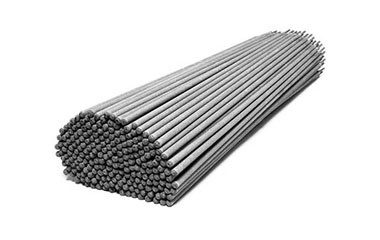
Visual Cues for High-Risk Welding Slag Between Passes
The moment a weld pass is completed and begins to cool, the slag solidifies. It is at this stage—before cleaning and before the next pass—that a trained eye can spot indicators of potential trouble. A slag layer that is difficult to remove is a primary warning sign for inclusion risk. Here are the key visual cues to look for.
Bead Profile and Slag Traps
The shape of the weld bead itself is the most significant factor. A smooth, convex bead with a gradual transition at the edges (toes) allows the slag to cool in a uniform sheet that is easily lifted or chipped away. Conversely, certain bead profiles create natural traps:
- Deep Undercut: This is a groove melted into the base metal adjacent to the toe of the weld that is left unfilled. The sharp, narrow channel is a perfect trap for slag, making it nearly impossible to remove completely with a wire brush. Even a chipping hammer may not reach the bottom of a severe undercut.
- Excessive Convexity: A bead that is too humped or "ropey" creates deep valleys at the weld toes where slag can become tightly wedged. The next weld pass may bridge over this valley, leaving the trapped slag behind.
- Overlap: When the weld metal flows over the surface of the base plate without fusing to it, it forms a "cold lap" or overlap. The tight, un-fused crevice underneath is another prime location for slag to get caught.
Before any cleaning begins, inspect the toes of the weld. If you see deep, sharp grooves or valleys filled with slag, the risk of an inclusion on the next pass is extremely high. The bead profile must be corrected, often by grinding, before proceeding.
Slag Appearance and Adhesion
The appearance of the solidified welding slag can also provide clues about its removability. While color can vary significantly with the process and material, the texture and how it adheres to the surface are more reliable indicators. An ideal slag layer will often lift slightly at the edges as it cools due to different thermal contraction rates, a characteristic known as self-peeling. It should look like a continuous, glassy shell.
Problematic slag, however, may appear patchy, discontinuous, or tightly bonded to the metal surface. It might have a rough, "sticky" appearance, especially in the toes of the weld. If you see small islands of slag that seem to be fused into the bead surface rather than sitting on top, it indicates poor wetting action or incorrect parameters, making complete removal a significant challenge.
Factors Influencing Difficult Slag Removal
Spotting a high-risk situation is the first step; understanding the root cause is essential for prevention. Difficult slag removal and the subsequent risk of inclusion are rarely accidental. They are typically linked to specific issues with process, technique, or consumables.
Incorrect Welding Parameters
The settings on the welding machine are critical for controlling the weld pool and, by extension, the slag behavior.
- Travel Speed: Moving too quickly can cause the weld pool to freeze before the slag has had a chance to properly form and float to the surface, leading to a scattered and uneven slag coating. A travel speed that is too slow can lead to excessive heat input and a very fluid, hard-to-control slag.
- Amperage and Voltage: For a given process, amperage that is too low can result in a narrow, high-profile bead with poor fusion, creating the perfect conditions for trapping slag. Voltage that is too low in a process like FCAW or SAW can result in a "stubby" arc, hindering proper slag formation and coverage.
- Polarity: Using the incorrect polarity (e.g., DCEN when DCEP is specified for an electrode) can drastically alter arc characteristics and slag behavior, often making it much more difficult to remove.
Operator Technique and Joint Design
Even with perfect parameters, operator error can introduce risk. Maintaining the correct electrode or gun angle is vital. An improper angle can push the slag ahead of or behind the weld pool inconsistently, or it can cause undercut on one side of the joint. In narrow groove joints, such as in thick plate welding, the angle becomes even more critical to ensure fusion at the root and prevent the slag from getting trapped against the sidewalls.
Consumable Quality and Condition
The quality of the welding consumable is fundamental. Low-quality fluxes may have inconsistent chemical composition, leading to unpredictable slag behavior. Furthermore, improper storage can ruin even the best consumables. For example, shielded metal arc welding (SMAW) electrodes that have absorbed moisture will produce a problematic arc and a difficult-to-remove welding slag, alongside a high risk of hydrogen-induced cracking.
This is why adherence to a strict quality management system is non-negotiable. As an ISO 9001 certified manufacturer, our processes are designed to ensure every batch of welding consumable meets exacting standards. This commitment gives our clients in demanding markets, from Brazil to Australia, the confidence that our products will perform consistently, producing a manageable slag layer and minimizing defect risks.
Best Practices for Interpass Cleaning and Defect Prevention
Preventing slag inclusions is a systematic process, not just a matter of vigorous cleaning. It combines proper technique, diligent inspection, and the right tools.
A Multi-Step Cleaning Process
For critical applications, interpass cleaning should be a deliberate, multi-step process. The first step is often using a chipping hammer to remove the bulk of the solidified slag. This is followed by aggressive cleaning with a wire wheel or hand-held wire brush, paying special attention to the weld toes. In some cases, a grinder with a conditioning disc may be necessary to smooth out rough surfaces and completely remove any residual slag, especially when a poor bead profile has been identified.
Inspection as a Hold Point
The most crucial best practice is to treat interpass cleaning as a formal quality control hold point. After the operator has cleaned the weld, a supervisor or inspector should visually verify that all slag has been removed before authorizing the next pass. This inspection must be performed with adequate lighting and a critical eye for any dark lines or specks at the weld toes, which are tell-tale signs of remaining slag. Rushing this step to save time is a false economy that can lead to a catastrophic weld failure later on.
Choosing the Right Consumables to Manage Welding Slag
The design of the welding consumable has a direct impact on the characteristics of the welding slag it produces. Different flux systems are formulated to provide different benefits, including ease of slag removal. For example, rutile-based fluxes (as found in electrodes like aws e6013 welding electrodes) are known for their soft arc, smooth bead appearance, and slag that is typically very easy to remove.
Conversely, basic fluxes (e.g., E7018 electrodes) produce a more robust, fast-freezing slag that is excellent for out-of-position welding and provides superior mechanical properties, but it can be more adherent and require more effort to clean. In submerged arc welding, the choice of flux is paramount. A product like our submerged arc welding flux hj431 is engineered for a specific range of applications, providing excellent weldability and a slag that detaches cleanly to facilitate high-productivity, multi-pass welding.
When planning a large-scale project, ensuring a consistent and reliable supply of the correct consumables is critical. With a 1000 square meter plant and a production capacity of 100 tons per day, Oldwelders is equipped to support major industrial projects, providing high-quality, ISO 9001-certified welding materials with a standard lead time of 30 days and a minimum order quantity of just 1 ton.
Ultimately, managing welding slag is a core skill in professional welding. By learning to read the visual cues it provides between passes, you transform a simple cleaning task into a powerful quality control measure. This proactive approach to identifying and mitigating inclusion risk is what separates acceptable welds from truly superior ones, ensuring the long-term safety and reliability of the fabricated structure.