
Welding Machine Costs Model for 5-Year Ownership
Understanding the Total Cost of Ownership for Your Industrial Welding Machine Investment
For B2B operations and purchasing teams, selecting the right welding machine is a critical decision that extends far beyond the initial purchase price. A comprehensive evaluation requires a total cost of ownership (TCO) model, projecting expenses over a typical operational lifespan, such as five years. This approach enables a more accurate comparison between entry-level, industrial-grade, and multiprocess equipment, ensuring your investment aligns with long-term efficiency, productivity, and budget goals.
Oldwelders, an ISO 9001 certified manufacturer, understands the complexities involved in such procurements. We aim to provide clarity on the various cost components, helping you make an informed decision for your operations in target markets like Brazil, Thailand, Australia, and Malaysia.
Evaluating Initial Purchase Price and Configuration
The upfront cost of a welding machine is often the most visible factor, but it represents only a fraction of the total investment. Prices vary significantly based on the machine's type, capabilities, and technological sophistication. Entry-level models might offer a lower initial outlay, while advanced industrial or multiprocess welding machine units come with higher price tags but often deliver superior performance, durability, and versatility.
Machine Type and Process Capabilities
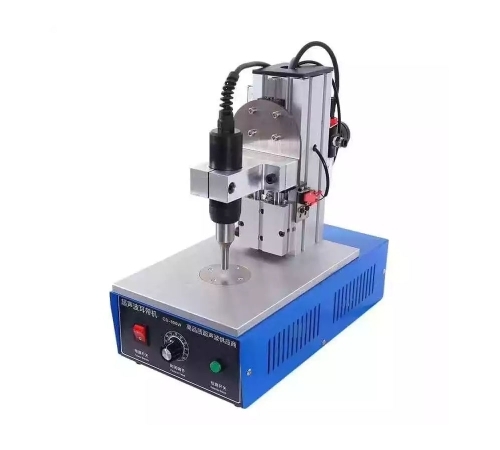
Different welding processes require specific equipment. For instance, a dedicated arc welding machine will have a different cost profile than a resistance welding machine or a specialized high grade energy welding machine. Multiprocess welders, such as MIG-MAG-TIG welding machine units, offer flexibility but typically at a higher initial cost. Consider your primary applications and future needs to determine the most cost-effective machine type. If your operations involve plastic fabrication, a plastic welding machine will be essential.
Automation and Advanced Features
The level of automation significantly impacts the initial cost. A basic manual unit will be less expensive than an automatic welding machine equipped with robotic integration or advanced digital controls. While automation increases initial expenditure, it can lead to substantial savings in labor costs, increased production speed, and improved weld quality over five years, thereby reducing overall TCO. Features like pulse capabilities, synergic controls, and integrated safety systems also add to the purchase price but can enhance efficiency and operator safety.
Operational Expenses: Power, Consumables, and Labor
Once acquired, a welding machine begins to incur ongoing operational expenses. These costs can quickly accumulate and often outweigh the initial purchase price over a five-year period. Understanding and accurately forecasting these expenses is crucial for a realistic TCO assessment.
Energy Consumption
The power requirements of a welding machine directly translate into electricity costs. Industrial-grade machines, especially those designed for heavy-duty, continuous operation, can consume significant amounts of energy. Factors influencing energy consumption include the machine's efficiency rating, the welding process used, and the duty cycle. Investing in energy-efficient models, though potentially more expensive upfront, can lead to substantial savings over five years, especially for facilities with high production volumes.
Consumables and Materials
Consumables are a major recurring expense for any welding operation. This category includes welding materials such as welding wire, welding rods, shielding gases, and welding fluxes. The type of welding process dictates the specific consumables required. For example, a MIG welder will use solid wire and shielding gas, while a stick welder relies on electrodes like the AWS E6013 Welding Electrodes. Submerged arc welding, on the other hand, requires specialized submerged arc welding flux HJ431 and flux-cored wire.
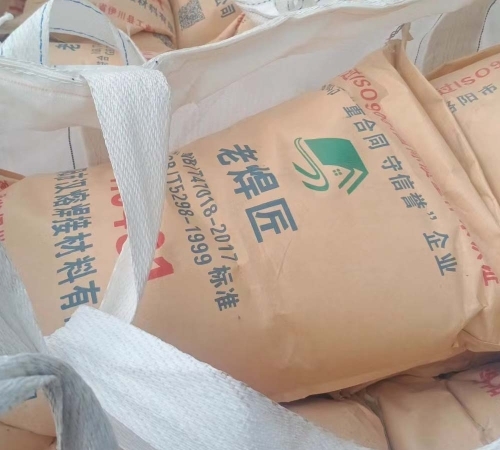
The quality and sourcing of these consumables directly impact both performance and cost. Oldwelders prides itself on producing high-quality flux products from excellent raw materials such such as dolomite, bauxite, cryolite, silica, and fluorine ore, melted at 2000 °C. This commitment to quality ensures consistent performance, which can reduce rework and extend the life of your welding machine components.
Labor Costs
Labor costs encompass operator wages, training expenses, and supervision. While not directly a machine cost, the choice of equipment can significantly influence labor efficiency. Automated systems require less direct labor per weld, while user-friendly interfaces can reduce training times. Investing in equipment that enhances operator productivity and reduces fatigue can lead to considerable labor cost savings over the five-year ownership period.
Maintenance, Repairs, and Downtime Considerations
Reliability and longevity are paramount for industrial equipment. Over a five-year period, a welding machine will inevitably require maintenance and potentially repairs. These costs, along with the impact of unplanned downtime, are critical components of the TCO.
Scheduled Maintenance
Regular preventative maintenance is essential to keep a welding machine operating at peak efficiency and to extend its lifespan. This includes routine cleaning, inspection of components, calibration, and replacement of wear parts. Budgeting for these scheduled interventions helps prevent more costly breakdowns and ensures consistent weld quality.
Unplanned Repairs and Downtime
Unexpected breakdowns can be extremely costly, not just due to repair expenses but more significantly due to lost production time. The reliability of a welding machine directly impacts the frequency and severity of unplanned downtime. Higher-quality, more robust machines often have lower repair rates and quicker recovery times, justifying a higher initial investment. Consider the availability of spare parts and technical support when evaluating different models.
Warranty and Service Agreements
A strong warranty can mitigate repair costs during the initial years of ownership. Additionally, extended service agreements or preventative maintenance contracts offered by manufacturers can provide peace of mind and predictable maintenance expenses. When evaluating a welding machine, assess the manufacturer's commitment to after-sales support and the average lifespan of their equipment in demanding industrial environments.
Depreciation and Resale Value
The value of a welding machine depreciates over time, and its potential resale or trade-in value at the end of the five-year period should be factored into the TCO. While often overlooked, this component can significantly impact the net cost of ownership.
Rate of Depreciation
Different types and brands of welding machines depreciate at varying rates. High-quality, well-maintained industrial equipment from reputable manufacturers tends to retain a higher percentage of its value compared to cheaper, less durable alternatives. Technological advancements can also influence depreciation; rapidly evolving technology might lead to quicker obsolescence for older models.
Potential Resale or Trade-in Value
At the end of five years, you may choose to sell or trade in your existing welding machine to upgrade to a newer model. The estimated residual value reduces the overall TCO. Research market trends for similar used equipment and consider the reputation of the manufacturer when forecasting this value. A machine known for its durability and performance will likely command a better price on the secondary market.
Strategic Sourcing and Supply Chain Reliability
The efficiency and reliability of your supplier directly impact your TCO, particularly concerning lead times, minimum order quantities, and overall product quality. Partnering with a proven manufacturer like Oldwelders ensures consistent supply and quality control.
Manufacturer Capabilities and Quality Assurance
Oldwelders operates a modern plant covering an area of 1000 square meters, featuring six production lines. This robust infrastructure enables us to supply up to 100 tons of product a day, ensuring that your demands for welding machines, welding wires, welding rods, and fluxes are met efficiently. Our ISO 9001 certification underlines our commitment to stringent quality management systems, which translates into reliable products and consistent performance for your operations.
Minimum Order Quantities and Lead Times
Understanding a supplier's minimum order quantity (MOQ) and lead time is crucial for inventory management and production scheduling. Oldwelders offers flexibility with a 1-ton MOQ and a lead time of 30 days, allowing businesses to optimize their inventory levels without overstocking or facing production delays. This predictability in supply chain logistics directly contributes to a lower TCO by reducing carrying costs and mitigating risks associated with material shortages.
Conclusion: Making an Informed Welding Machine Investment
Calculating the true cost of owning a welding machine requires a holistic view that extends beyond the initial price tag. By meticulously analyzing initial purchase costs, ongoing operational expenses, maintenance and downtime implications, and the long-term value retention over a five-year period, businesses can make more strategic procurement decisions.
Oldwelders is dedicated to providing high-quality welding equipment and materials that deliver exceptional value throughout their operational life. Our commitment to quality, backed by ISO 9001 certification and substantial production capabilities, positions us as a reliable partner for your industrial welding needs across Brazil, Thailand, Australia, and Malaysia. Engage with us to discuss how our solutions can optimize your total cost of ownership and enhance your operational efficiency for years to come.