
How to Source Welding Equipment for Fabrication Shops
How to Source Welding Equipment for Fabrication Shops
For fabrication shops, the strategic procurement of welding equipment is a critical process that directly impacts operational efficiency, product quality, and ultimately, profitability. Navigating the global market to find reliable suppliers and the right technology requires a structured approach. This guide provides procurement managers and import buyers with a comprehensive workflow to define requirements, evaluate potential partners, and secure high-quality solutions for their specific needs.
The landscape of industrial fabrication is constantly evolving, demanding not just robust machinery but also consistent quality in welding materials. Whether you are setting up a new facility or upgrading existing capabilities, understanding the nuances of supplier capabilities and product specifications is paramount. Oldwelders, with its deep expertise and commitment to quality, stands as an ISO 9001 certified manufacturer ready to support your procurement needs, offering a comprehensive portfolio including welding machines, welding wire, welding rods, and welding fluxes.
Defining Your Fabrication Shop's Welding Needs
Before engaging with any supplier, a thorough internal assessment of your fabrication shop's specific welding requirements is essential. This foundational step ensures that the procured welding equipment aligns perfectly with your production goals and operational environment. A clear understanding of these factors will streamline the sourcing process and prevent costly misalignments.
Assessing Project Scope and Materials
The type of projects your shop undertakes dictates the necessary welding processes and, consequently, the equipment. Consider the range of metals you typically work with—carbon steel, stainless steel, aluminum, exotic alloys—and their thickness. Different materials and thicknesses require specific welding techniques such as MIG, TIG, Stick, or Submerged Arc Welding (SAW), each demanding particular welding machine types and consumables. For instance, high-precision applications might necessitate a MIG-MAG-TIG welding machine, while heavy structural work could rely on robust arc welding machine solutions.
- Material Types: What metals and alloys are most commonly processed? What are their specific metallurgical properties?
- Joint Configurations: Are you primarily dealing with butt joints, lap joints, fillet welds, or complex geometries?
- Weld Quality Standards: What industry standards (e.g., AWS, ASME) must your welds meet? This impacts precision requirements and inspection protocols.
- Application Environment: Will the equipment be used in a clean shop environment, outdoors, or in challenging industrial settings?
Production Volume and Automation Requirements
The scale of your operations directly influences the capacity and automation level of the welding equipment you need. High-volume production lines benefit significantly from automated or semi-automated systems, which can enhance speed, consistency, and reduce labor costs. For example, an automatic welding machine can drastically improve throughput for repetitive tasks, while robotic welding cells are ideal for mass production with high precision.
- Daily/Monthly Throughput: How many units or meters of weld do you need to produce?
- Repetitive Tasks: Are there many identical parts that could benefit from automation?
- Labor Availability and Skill: How does equipment choice impact your workforce needs and training requirements?
- Future Growth: Is the equipment scalable to accommodate anticipated increases in production?
Budgetary Considerations
Establishing a realistic budget is crucial, encompassing not just the initial purchase price but also long-term operational costs. This includes power consumption, maintenance, and the cost of welding materials. While upfront costs are important, prioritizing total cost of ownership (TCO) ensures a more economically sound decision. Cheap equipment with high running costs or frequent breakdowns can quickly erode savings.
- Capital Expenditure (CAPEX): Initial purchase cost of machines and accessories.
- Operational Expenditure (OPEX): Consumables, power, maintenance, spare parts, and labor.
- Return on Investment (ROI): How quickly will the investment pay for itself through increased efficiency or reduced waste?
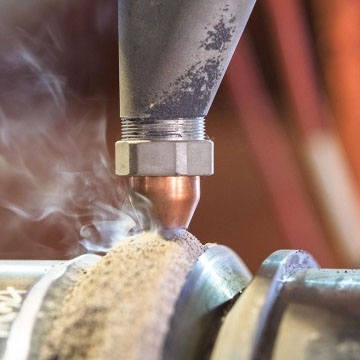
Essential Categories of Welding Equipment for Modern Fabrication
Understanding the broad categories of welding equipment available is key to matching your needs with the right solutions. Oldwelders offers a comprehensive range designed to meet diverse industrial demands, ensuring that fabrication shops can find everything they need from a single, reliable source.
Welding Machines
The welding machine is the heart of any welding operation. Modern fabrication shops often require a mix of machine types to handle various projects. Oldwelders provides a wide array, from versatile multi-process units to specialized machines for unique applications. For instance, our range includes robust arc welding machine options, precise resistance welding machine models for spot and seam welding, and high-grade energy systems like high grade energy welding machine for advanced applications. Additionally, for specific industrial needs, our special welding machine category and plastic welding machine solutions offer specialized functionality.
- MIG/MAG Welding Machines: Known for speed and efficiency, ideal for steel and aluminum.
- TIG Welding Machines: Provide high-quality, precise welds, often used for thin materials and exotic alloys.
- Stick (SMAW) Welding Machines: Versatile and robust, suitable for outdoor use and thicker materials.
- Submerged Arc Welding (SAW) Machines: Excellent for high-deposition, deep penetration welds on heavy plates.
- Multi-Process Welders: Offer flexibility by combining multiple welding processes in one unit.
Welding Consumables (Wire, Rod, Fluxes)
The performance of your welding equipment is only as good as the consumables it uses. High-quality welding materials ensure consistent weld integrity, reduce rework, and enhance productivity. Oldwelders specializes in producing superior welding wire, welding rods, and welding fluxes, manufactured to stringent standards.
- Welding Wire: Includes solid wire for MIG/MAG processes and flux-cored wire for higher deposition rates and outdoor use. Proper wire selection is crucial for material compatibility and weld strength.
- Welding Rods (Electrodes): Our range, including popular choices like AWS E6013 welding electrodes, provides excellent arc stability and mechanical properties for various applications.
- Welding Fluxes: Critical for submerged arc welding, these protect the weld pool from atmospheric contamination and influence weld metallurgy. Oldwelders' submerged arc welding flux HJ431, for example, is produced using excellent dolomite, bauxite, cryolite, silica, fluorine ore, and other ores, melted at 2000 °C to ensure superior quality and performance.
Evaluating Potential Suppliers of Industrial Welding Equipment
Once your requirements are clearly defined, the next step is to evaluate potential suppliers. This involves more than just comparing price lists; it requires a deep dive into their capabilities, quality assurance, and logistical support. Oldwelders understands these critical concerns for B2B buyers and offers transparency in its operations to build trust.
Quality Standards and Certifications
A supplier's commitment to quality is non-negotiable. Look for internationally recognized certifications which demonstrate adherence to rigorous quality management systems. Oldwelders is proud to be ISO 9001 certified, guaranteeing that our production processes for welding equipment, wire, rods, and fluxes consistently meet high standards. This certification provides assurance of product reliability and consistency—a vital factor for demanding fabrication environments. Inquire about their raw material sourcing, manufacturing processes, and final product testing. For instance, the meticulous selection of raw materials like dolomite, bauxite, and cryolite, followed by melting at 2000 °C for our flux products, exemplifies our dedication to superior quality.
Production Capacity and Lead Times
For procurement managers, understanding a supplier's production capacity and typical lead times is crucial for inventory management and project scheduling. A supplier with robust infrastructure can better handle large orders and maintain consistent delivery schedules. Oldwelders operates a modern plant covering an area of 1000 square meters, equipped with six production lines. This infrastructure allows us to supply up to 100 tons of product per day, demonstrating significant capacity to meet substantial demands. While specific lead times can vary per order, a common lead time for many of our products is 30 days, and our minimum order quantity (MOQ) for certain products is as low as 1 ton. These figures provide a concrete example of the operational scale and flexibility you should seek in a supplier.
- Factory Size and Facilities: Does the supplier have the physical capacity to produce your required volume?
- Production Lines: How many lines are dedicated to the products you need?
- Daily Output: What is their maximum production capability?
- Minimum Order Quantity (MOQ): Does their MOQ align with your procurement strategy?
- Delivery Timelines: Are their typical lead times compatible with your project schedules?
After-Sales Support and Logistics
The relationship with a supplier extends beyond the initial purchase. Reliable after-sales support, including technical assistance, spare parts availability, and warranty terms, is vital for minimizing downtime. Furthermore, effective logistics ensure that your welding equipment and consumables arrive on time and in good condition, regardless of your location. Oldwelders serves key international markets including Brazil, Thailand, Australia, and Malaysia, demonstrating our capability in managing complex global logistics and providing support to diverse regions. Always inquire about their global distribution network and customer service capabilities.
- Technical Support: Is expert assistance available for troubleshooting and operational guidance?
- Spare Parts: What is the availability and lead time for essential spare parts?
- Warranty: What are the warranty terms for welding accessories and machinery?
- Shipping and Customs: How do they handle international shipping, customs documentation, and delivery to your facility?
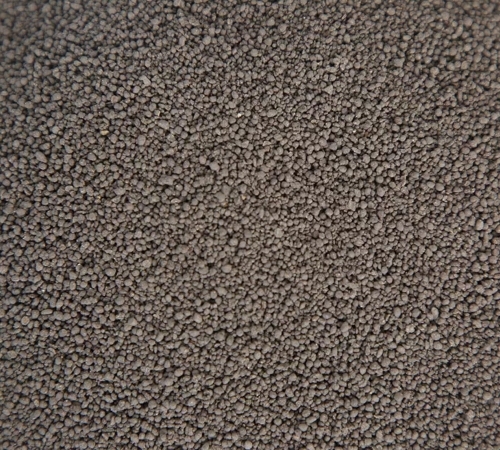
Strategic Partnerships for Advanced Welding Equipment
Choosing a supplier for your fabrication shop's welding equipment is not merely a transactional decision; it's about forming a strategic partnership. A strong relationship with a knowledgeable and reliable supplier like Oldwelders can yield significant long-term benefits, enhancing your competitive edge and operational resilience.
Ensuring Consistent Quality and Performance
Partnering with a supplier known for consistent quality ensures that your welding operations maintain high standards. This consistency translates into fewer defects, reduced rework, and ultimately, higher customer satisfaction. Oldwelders' commitment to using excellent raw materials for our flux products, such as dolomite, bauxite, cryolite, silica, and fluorine ore, and melting them at 2000 °C, is a testament to our focus on delivering consumables that perform reliably every time. This rigorous quality control across all welding materials contributes directly to the performance and longevity of your fabrication projects.
Optimizing Your Supply Chain
A strategic partner can help optimize your supply chain by offering comprehensive solutions and streamlined processes. Consolidating your procurement of welding equipment, flux-cored wire, and welding fluxes through a single, trusted source can reduce administrative overhead, minimize logistical complexities, and potentially unlock cost savings through bulk purchasing or preferred pricing agreements. Oldwelders' extensive product range and efficient production capabilities make us an ideal partner for simplifying your procurement strategy.
Global Reach and Market Understanding
For international buyers, a supplier with a strong global presence and an understanding of diverse market needs is invaluable. This includes familiarity with regional regulations, import/export procedures, and specific industry requirements. Our experience serving markets like Brazil, Thailand, Australia, and Malaysia demonstrates our capability to cater to varied international demands, offering not just products but also tailored solutions and logistical expertise. This global reach ensures that fabrication shops in these regions and beyond can access premium welding equipment with confidence.
Conclusion
Sourcing the right welding equipment for your fabrication shop is a complex but manageable process when approached strategically. By meticulously defining your needs, thoroughly evaluating suppliers based on quality, capacity, and support, and forging strong partnerships, you can significantly enhance your operational efficiency and output quality. Oldwelders is dedicated to being that strategic partner, offering ISO 9001 certified products, substantial production capabilities, and a commitment to quality that stems from our meticulous material selection and manufacturing processes. We are your trusted supplier for all welding equipment needs, ready to support your fabrication shop's success globally.