
Welding Flux Exports: Price Inputs Beyond FOB
Understanding Total Costs When Choosing a Global Welding Flux Exporter
For industrial buyers, securing high-quality welding fluxes at a competitive price is paramount. However, focusing solely on the Free On Board (FOB) price can lead to significant underestimates of the total landed cost. A truly informed procurement decision requires a comprehensive understanding of all price inputs beyond the initial FOB quotation. This guide is designed to help B2B importers analyze supplier quotations and accurately estimate their total delivered cost for recurring industrial flux purchases, ensuring transparency and predictability in their supply chain.
Oldwelders, as an experienced global welding flux exporter, understands the complexities of international trade and the importance of a clear cost structure. We believe in empowering our clients, from Brazil to Thailand, Australia, and Malaysia, with the knowledge to make the best purchasing decisions. Our commitment to quality is reflected in our ISO 9001 certification, ensuring that every product, from submerged arc welding flux hj431 to our range of welding materials, meets stringent international standards.
Beyond the Initial FOB Quote: Why Total Cost Matters for Welding Flux Imports
The FOB price covers the cost of the goods and the expense of delivering them to the port of shipment. While this is a critical component, it represents only a fraction of the final expenditure you will incur to get the welding fluxes to your facility. Neglecting other cost elements can erode profit margins, complicate budgeting, and even lead to unexpected delays. Understanding these additional inputs from the outset allows for accurate financial planning and a more robust negotiation position with your suppliers.
Consider the full lifecycle of your welding flux order. From the moment the product leaves our state-of-the-art facility, which covers an area of 1000 square meters and houses six production lines capable of supplying 100 tons a day, various costs begin to accumulate. These costs are not always explicitly stated in an initial FOB quote, making it essential for buyers to proactively inquire and calculate them.
The Components of Total Delivered Cost
- FOB Price: The cost of the welding flux at the port of origin, including manufacturing, packaging, and loading onto the vessel.
- Freight Charges: The cost of transporting the goods from the port of origin to the destination port via sea, air, or land.
- Insurance: Coverage for potential loss or damage to the goods during transit.
- Customs Duties and Taxes: Levies imposed by the importing country's government.
- Port Charges at Destination: Fees for handling, storage, and other services at the arrival port.
- Inland Transportation: The cost of moving the goods from the destination port to your final warehouse or facility.
- Brokerage Fees: Charges for customs clearance services.
- Documentation Fees: Costs associated with necessary export/import paperwork.
Each of these components can vary significantly based on the volume of your order, the destination country, and the chosen shipping method. For instance, while air freight might offer faster delivery for urgent needs, sea freight is typically more cost-effective for bulk purchases, such as our standard 1-ton minimum order quantity.
Key Logistics and Shipping Considerations for Your Welding Flux Order
Logistics play a pivotal role in determining the true cost and timeliness of your welding flux delivery. The choice of shipping method, route, and handling procedures directly impacts both expenses and potential lead times. A reliable welding machine supplier who also offers fluxes will often have established logistics networks, which can be a significant advantage.
Choosing the Right Shipping Method
The decision between sea freight, air freight, or multimodal transport depends on several factors:
- Urgency: Air freight is faster but considerably more expensive. Sea freight is the standard for bulk industrial materials due to its cost-effectiveness, though it has longer transit times.
- Volume and Weight: Large volumes of welding fluxes, like the quantities we produce daily, are best shipped via sea to minimize per-unit freight costs.
- Destination: Accessibility of ports and airports can influence the viability and cost of different methods.
Insurance and Risk Management
Marine cargo insurance is crucial for protecting your investment against unforeseen events during transit. While the Incoterms (e.g., CIF, CIP) might specify who is responsible for insurance, understanding the coverage limits and conditions is vital. Oldwelders ensures proper packaging and handling of all our electrode and welding flux shipments to minimize risks, but external factors during transit always warrant robust insurance.
Understanding Lead Times and Delivery Schedules
Beyond the actual transit time, consider the supplier's production lead time. Oldwelders typically has a lead time of 30 days for orders, which aligns with our efficient production capabilities. When evaluating a supplier, confirm their average lead times and their ability to meet your recurring supply needs. Our daily production capacity of 100 tons ensures we can consistently meet the demands of large-scale industrial buyers across our target markets.
Navigating Import Duties, Taxes, and Local Regulations
Importing welding fluxes involves more than just getting the product to your country's border; it requires navigating a complex web of customs duties, taxes, and local regulations. These costs can significantly inflate the total price and, if not managed correctly, can lead to delays and penalties.
Customs Duties and Tariffs
Each country imposes specific duties on imported goods, often based on the Harmonized System (HS) code of the product. Welding fluxes fall under specific HS classifications, and the duty rates can vary widely depending on the country of origin and destination. For instance, duties for imports into Brazil might differ substantially from those into Australia or Malaysia. It is recommended to consult with a local customs broker or your country's customs agency to obtain accurate tariff information before finalizing an order.
Value Added Tax (VAT) or Goods and Services Tax (GST)
Most countries levy a consumption tax, such as VAT or GST, on imported goods. This tax is typically calculated on the sum of the product's value, freight, and duties. This can be a substantial addition to your total cost and should be factored into your budgeting from the outset.
Local Regulations and Certifications
Beyond financial levies, certain countries may have specific technical regulations, environmental standards, or labeling requirements for imported industrial products like welding fluxes. Ensuring compliance with these regulations is critical to avoid customs rejections or delays. As an ISO 9001 certified manufacturer, Oldwelders adheres to high quality control standards, which often facilitates easier compliance with international regulatory frameworks.
Quality Assurance and Supplier Reliability: A Non-Negotiable Factor
While price is a major consideration, the quality and reliability of your welding flux exporter are paramount. Compromising on these aspects can lead to costly production issues, rework, and ultimately, damage to your own product quality and reputation. Oldwelders places immense value on delivering consistent, high-performance welding fluxes.
Adherence to Quality Standards
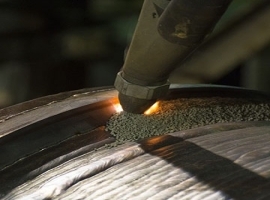
Our commitment to quality begins with the selection of raw materials. We utilize excellent dolomite, bauxite, cryolite, silica, fluorine ore, and other carefully sourced ores, which are then melted at precisely 2000 °C to produce our premium flux products. This meticulous process, combined with rigorous testing, ensures that our welding fluxes consistently meet the demanding requirements of industrial applications. Our ISO 9001 certification stands as a testament to our robust quality management systems, providing our B2B partners with confidence in every shipment.
Supplier's Production Capabilities and Consistency
A reliable supplier must demonstrate consistent production capacity and quality. Our plant, covering an area of 1000 square meters and equipped with six production lines, allows us to maintain a daily supply capacity of 100 tons. This scale ensures that we can fulfill large, recurring orders without compromising on the quality or consistency of our welding fluxes. For buyers in high-demand regions like Thailand or Malaysia, knowing your supplier can reliably meet your volume needs is critical.
Customer Support and Communication
Effective communication and responsive customer support are hallmarks of a trustworthy supplier. From initial quotation to post-delivery inquiries, a reliable partner provides clear, timely information and addresses concerns promptly. This ensures a smooth procurement process and builds long-term trust, especially when dealing with the complexities of international trade.
The Oldwelders Advantage: Your Reliable Global Welding Flux Exporter
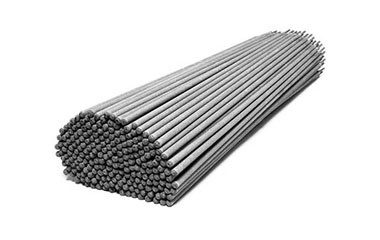
Choosing Oldwelders means partnering with a global arc welding machine and welding flux exporter dedicated to quality, reliability, and transparent pricing. We understand that our B2B clients require more than just a product; they need a dependable supply chain partner.
Our comprehensive understanding of international logistics, coupled with our commitment to manufacturing excellence, allows us to provide accurate total cost estimations. We aim to clarify all potential price inputs beyond FOB, helping you avoid hidden costs and plan your budgets effectively. With Oldwelders, you receive not only top-tier welding fluxes but also the assurance of a streamlined, professional, and knowledgeable partnership.
Whether you are in Brazil requiring specific industrial fluxes or in Australia seeking consistent supply for large-scale operations, our established production capabilities and stringent quality controls ensure that your needs are met. Our 1-ton minimum order quantity and 30-day lead time are structured to support efficient procurement for industrial clients worldwide. We invite you to experience the Oldwelders difference, where quality meets global accessibility.