
Chinese Flux Supplier: Compare Delivered Costs & Quality
Evaluating Your Chinese Flux Supplier Beyond Initial Quotes
Procuring welding fluxes from international markets, particularly from China, offers significant opportunities for cost efficiency and access to a broad range of specialized products. However, the initial price quote from a potential Chinese flux supplier often represents only a fraction of the total investment. For B2B buyers, a superficial comparison based solely on ex-works (EXW) pricing can lead to unexpected costs and compromises on quality or delivery. To make truly informed decisions, it is crucial to adopt a holistic approach that considers the entire delivered cost, product performance, and the reliability of your chosen partner.
This guide will equip procurement teams with the framework necessary to meticulously evaluate welding flux quotations, moving beyond the sticker price to understand the true financial and operational implications. By focusing on total landed cost, quality assurance, and supplier capabilities, you can secure the best value for your operations, whether your market is in Brazil, Thailand, Australia, or Malaysia. Oldwelders, for instance, operates with an ISO 9001 certification, ensuring consistent quality in its production processes.
Understanding the Components of Delivered Cost
The "delivered cost" encompasses far more than just the ex-works price. It includes every expense incurred from the moment the product leaves the supplier's factory until it arrives at your facility and is ready for use. Overlooking any of these components can drastically skew your cost analysis and lead to budget overruns. A comprehensive cost comparison requires breaking down the quotation into its constituent parts.
Freight and Logistics Expenses
- Inland Transportation: The cost of moving the goods from the factory to the nearest port or airport in China. This can vary significantly based on distance and the chosen mode of transport.
- Ocean or Air Freight: This is often the largest component after the product cost itself. Factors influencing this include shipment volume, weight, urgency, and global freight market fluctuations. Always ask for quotes based on different Incoterms (e.g., FOB, CIF, DDP) to understand who bears the risk and cost at each stage.
- Port Charges: Terminal handling charges (THC), documentation fees, security surcharges, and other local charges at both the origin and destination ports.
- Customs Duties and Taxes: Import duties, VAT, and any other tariffs applicable in your specific country. These can vary widely by product classification and country of origin. Be sure to clarify who is responsible for these payments according to your Incoterms agreement.
- Customs Clearance Fees: Fees charged by customs brokers for processing paperwork and ensuring compliance with import regulations.
- Insurance: Cargo insurance to protect against loss or damage during transit. While optional, it is highly recommended, especially for valuable shipments.
- Last-Mile Delivery: The cost of transporting the goods from your destination port or airport to your final warehouse or production facility.
When requesting quotes, specify your preferred Incoterms clearly. For example, a "CIF" quote will include cost, insurance, and freight to your named port, making it easier to compare the immediate landed cost. However, a "DDP" (Delivered Duty Paid) quote will provide the most comprehensive picture, as the seller handles all costs and risks until the goods reach your specified destination, including duties and taxes.
Evaluating Supplier Capabilities and Quality Assurance
Beyond price, the reliability and quality of your welding materials supplier are paramount. A low-cost flux that consistently fails quality checks or causes production delays will ultimately cost more in rework, wasted materials, and lost productivity. Therefore, a thorough evaluation of the supplier's capabilities and quality control processes is non-negotiable.
Quality Certifications and Standards
Look for suppliers who adhere to internationally recognized quality management systems. Oldwelders, for instance, is ISO 9001 certified, which signifies a commitment to consistent quality and continuous improvement across all aspects of its operations, from raw material sourcing to final product delivery. This certification provides an independent assurance that the supplier has robust processes in place to meet customer and regulatory requirements.
Production Capacity and Technology
Understand the supplier's manufacturing capabilities. A large-scale facility often indicates a higher level of investment in technology and efficiency. Oldwelders’ plant, for example, covers an area of 1000 square meters and features six production lines, capable of supplying up to 100 tons of flux per day. This substantial capacity ensures reliability for bulk orders and consistent supply, minimizing the risk of disruptions to your production schedule. The raw materials used in our flux products—excellent dolomite, bauxite, cryolite, silica, and fluorine ore—are melted at 2000 °C, demonstrating advanced processing and a commitment to high-quality inputs.
Minimum Order Quantity (MOQ) and Lead Times
Confirm the supplier's MOQ. An MOQ of 1 ton, as offered by Oldwelders, can be advantageous for businesses that require smaller initial orders for testing or for managing inventory more efficiently. Clarify standard lead times for production and delivery. While specific delivery times can vary, understanding the typical turnaround helps in planning your procurement schedule effectively. Oldwelders aims for efficient processing, with lead times averaging around 30 days for standard orders, ensuring your operations remain uninterrupted.
Product Specifications and Customization
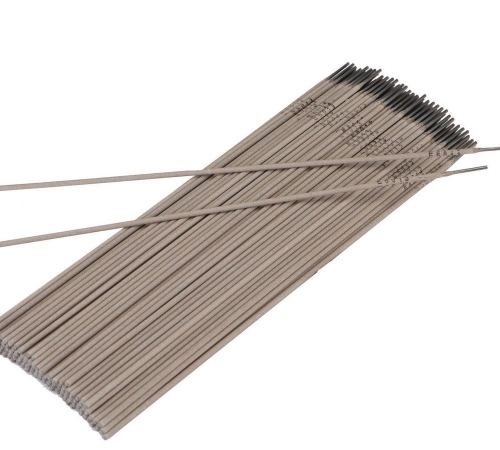
Ensure the supplier can meet your precise technical specifications for welding fluxes. This includes chemical composition, particle size, and performance characteristics for various submerged arc welding flux hj431 types or other specialized applications. Some suppliers may also offer customization options to tailor products to your unique requirements, providing a competitive edge.
Long-Term Value and Partnership Considerations
A successful procurement strategy extends beyond a single transaction. Building a strong, long-term relationship with a reliable Chinese flux supplier can yield significant benefits, including preferential pricing, improved communication, and proactive problem-solving. Consider these factors when evaluating potential partners:
Communication and Responsiveness
Effective communication is vital in international trade. Assess how quickly and clearly the supplier responds to inquiries, provides updates, and addresses concerns. A responsive supplier indicates a commitment to customer service and a smoother procurement process.
Technical Support and Expertise
Does the supplier offer technical support? Access to experts who can advise on product selection, application best practices, or troubleshooting can add immense value. This is especially important for specialized welding machine applications where specific flux properties are critical to performance.
Flexibility and Adaptability
Market conditions and your business needs can change. A flexible supplier who can adapt to evolving requirements, such as adjusting order volumes or accommodating special delivery requests, demonstrates a strong partnership orientation. This adaptability is key for businesses operating in dynamic markets like Brazil, Thailand, Australia, and Malaysia.
Reputation and References
While not explicitly provided in every quote, a supplier's reputation speaks volumes. Look for testimonials, case studies, or inquire about their experience serving clients in your region or industry. A strong track record with international clients, particularly in diverse markets, is a positive indicator of reliability and capability.
Calculating Total Cost of Ownership (TCO) for Welding Fluxes
To truly compare Chinese welding flux quotes, move beyond just the delivered cost and consider the Total Cost of Ownership (TCO). This involves evaluating the long-term impact of the flux on your operations.
Performance and Consumption Rates
A cheaper flux might have a higher consumption rate or require more passes to achieve the desired weld quality, ultimately increasing your operational costs. Evaluate the flux's performance metrics: deposition rate, slag removal ease, spatter levels, and overall weld quality. A premium flux that performs efficiently can reduce labor costs, material usage, and post-weld cleaning, leading to overall savings.
Impact on Equipment Longevity
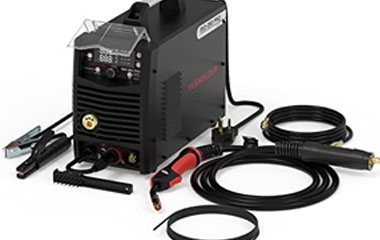
High-quality fluxes are formulated to be compatible with standard MIG-MAG-TIG welding machines and other equipment, minimizing wear and tear. Inferior fluxes might cause excessive spatter or residue buildup, leading to increased maintenance and potentially shortening the lifespan of your welding equipment.
Inventory Management Costs
Consider the costs associated with holding inventory: warehousing, insurance, obsolescence, and capital tied up. A reliable supplier with consistent lead times allows for more precise inventory planning, reducing these carrying costs. Oldwelders' 100-ton per day capacity and efficient logistics can support optimized inventory strategies for its partners.
Risk Mitigation
Factor in the cost of potential risks, such as supply chain disruptions, quality issues, or non-compliance. A reputable and certified supplier, like an ISO 9001-certified Chinese flux supplier, mitigates many of these risks, offering greater peace of mind and operational stability. The investment in a high-quality, reliable supplier translates into reduced risk and greater long-term value.
Conclusion
Choosing the right Chinese flux supplier is a strategic decision that impacts not only your bottom line but also the quality and efficiency of your welding operations. By meticulously comparing quotes based on total delivered cost, rigorous quality assurance, and the potential for a strong, long-term partnership, you can make an informed choice that delivers optimal value.
Focus on suppliers who demonstrate transparency, possess robust manufacturing capabilities, maintain high-quality certifications like ISO 9001, and offer dependable logistics. Oldwelders stands ready to be that partner, providing high-quality welding fluxes produced from excellent raw materials in a modern 1000-square-meter facility with six production lines, ensuring a daily capacity of 100 tons. Our commitment extends to delivering reliable products and service to our partners in target markets worldwide.