
Welding Electrodes: Consumable vs Nonconsumable
Understanding the Core Differences Between Consumable and Nonconsumable Welding Electrodes
In the vast landscape of industrial fabrication and repair, the choice of a welding electrode is paramount to achieving strong, reliable, and efficient welds. Electrodes are core components in most arc welding processes, serving either as the source of the arc, the filler material, or both. For B2B professionals and technical buyers, grasping the fundamental distinctions between consumable and nonconsumable welding electrodes is crucial for selecting the right process and materials to meet specific project demands.
Oldwelders, an ISO 9001 certified manufacturer, understands the intricate requirements of the welding industry. This guide delves into the characteristics, applications, and advantages of both electrode types, providing the clarity needed to make informed decisions for your operations.
What Defines a Welding Electrode?
At its essence, a welding electrode is an electrical conductor used to complete a circuit between the welding power source and the workpiece. When current flows through the electrode, it generates an electric arc. This arc produces intense heat, melting the base metals and, in many cases, the electrode itself, to create a molten pool that solidifies into a weld bead.
The primary function of an electrode varies significantly depending on whether it is designed to be consumed during the welding process or to remain intact. This distinction directly influences the welding technique, the equipment required, and the properties of the final weld. Understanding these foundational aspects is the first step toward optimizing your welding procedures and material procurement.
Consumable Welding Electrodes: The Filler Material
Consumable welding electrodes are designed to melt and become an integral part of the weld joint. As they melt, they supply filler material, which contributes to the strength and integrity of the weld bead. The composition of these electrodes is carefully formulated to match or complement the base metals being joined, ensuring metallurgical compatibility and desired mechanical properties.
Types and Applications of Consumable Electrodes
- Welding Rods (Stick Electrodes): Used in Shielded Metal Arc Welding (SMAW), these electrodes consist of a core wire coated with flux. The flux provides a protective gas shield, stabilizes the arc, and ensures proper slag formation to protect the molten weld pool. Oldwelders offers a diverse range, including AWS E6013 Welding Electrodes, known for their versatility and ease of use.
- Solid Wire: Predominantly used in Gas Metal Arc Welding (GMAW), also known as MIG (Metal Inert Gas) or MAG (Metal Active Gas) welding. This continuous wire is fed automatically through a welding gun, melting into the weld pool under a shielding gas. Solid wire offers high deposition rates and is suitable for a wide range of materials and applications.
- Flux-Cored Wire: Employed in Flux-Cored Arc Welding (FCAW), this wire features a tubular metal electrode filled with flux materials. Similar to stick electrodes, the flux provides shielding gas and slag protection. Flux-cored wire is excellent for high-production welding, especially on thicker materials or in outdoor conditions where wind might disperse shielding gases.
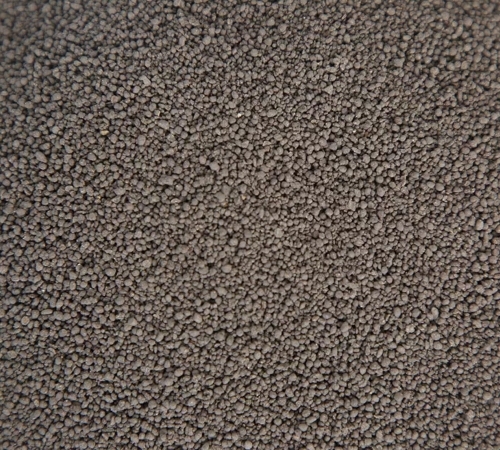
- Submerged Arc Welding (SAW) Wires: Used in conjunction with granular flux that covers the arc and molten weld pool. Our submerged arc welding flux HJ431, for instance, is designed to work with specific wires for high-quality, high-speed welding.
Advantages and Considerations
Consumable electrodes offer several advantages, including high deposition rates, which translate to faster welding speeds and increased productivity. They eliminate the need for a separate filler rod, simplifying the welding process for operators. However, they require frequent replacement, leading to downtime for electrode changes and potential stub loss. The selection depends heavily on the specific welding process and the desired mechanical properties of the weld.
Nonconsumable Welding Electrodes: The Arc Source
In contrast to their consumable counterparts, nonconsumable welding electrodes are designed to withstand the intense heat of the welding arc without melting or becoming part of the weld pool. Their primary role is to generate and sustain the electric arc, which melts the base metal. For most applications using nonconsumable electrodes, a separate filler rod is manually or automatically fed into the weld pool to provide the necessary filler material.
Materials and Processes
The most common material for nonconsumable electrodes is tungsten, or tungsten alloys. Tungsten possesses an exceptionally high melting point (3,422 °C), making it ideal for sustaining a stable arc without degrading. Different types of tungsten electrodes exist, alloyed with elements such as thorium, lanthanum, or cerium, to enhance arc starting, stability, and electrode life.
Nonconsumable electrodes are predominantly used in:
- Gas Tungsten Arc Welding (GTAW): Also known as TIG (Tungsten Inert Gas) welding, GTAW uses a nonconsumable tungsten electrode to create the arc. An inert shielding gas, such as argon, protects the electrode and weld pool from atmospheric contamination. TIG welding is renowned for producing exceptionally high-quality, precise welds, especially on thin materials and exotic alloys. This process, often facilitated by a MIG-MAG-TIG welding machine, allows for meticulous control over the weld pool.
- Plasma Arc Welding (PAW): A variant of GTAW, PAW uses a constricted arc generated by a nonconsumable tungsten electrode. The plasma arc is more concentrated and hotter than a standard TIG arc, allowing for deeper penetration and faster welding speeds.
Advantages and Considerations
Nonconsumable electrodes offer superior control and precision, making them ideal for critical applications where weld quality and aesthetics are paramount. They produce very clean welds with minimal spatter. The main drawback is typically lower deposition rates compared to consumable electrode processes, as filler material is generally added separately. This often requires greater operator skill and can be slower for large-volume production.
At Oldwelders, we understand the demand for precision and quality across all welding methods. Our commitment extends to providing high-quality tools and consumables to support even the most demanding nonconsumable electrode applications.
Key Distinctions: Consumable vs. Nonconsumable Electrode Comparison
The choice between consumable and nonconsumable electrodes significantly impacts the welding process, performance, and overall project cost. These distinctions are fundamental for any industrial application utilizing a welding electrode. The table below summarizes the key differences:
| Feature | Consumable Type | Nonconsumable Type |
|---|---|---|
| Primary Role | Provides filler metal and generates arc | Generates arc only |
| Material Composition | Steel, aluminum, nickel alloys, stainless steel, etc. | Tungsten or tungsten alloys |
| Melting During Welding | Yes, becomes part of the weld | No, retains its form |
| Filler Metal Supply | Integrated within the electrode | Typically separate (manual or automatic feed) |
| Common Processes | SMAW (Stick), GMAW (MIG/MAG), FCAW, SAW | GTAW (TIG), PAW (Plasma Arc Welding) |
| Weld Quality / Precision | Good for general purpose to high-strength applications | Exceptional for high-precision, clean, and aesthetic welds |
| Deposition Rate | Generally higher, leading to faster welding | Generally lower, often requiring more time |
| Electrode Life | Consumed during welding, requires replacement | Long-lasting, can be re-sharpened |
Understanding these differences allows businesses to optimize their welding operations. For instance, high-volume production of thick steel components might favor consumable electrodes like flux-cored wire for speed, while intricate, high-integrity welds on aerospace components would necessitate nonconsumable tungsten electrodes for precision. Our advanced facility, covering 1000 square meters and housing six production lines, enables us to supply up to 100 tons of high-quality welding fluxes daily. We meticulously source excellent dolomite, bauxite, cryolite, silica, and fluorine ore, melting them at 2000 °C to ensure superior performance in our products.
Choosing the Right Electrode for Your Application
The selection of the appropriate electrode type is a critical decision that impacts weld quality, production efficiency, and overall project cost. When making this choice, consider the following factors:
- Base Material: The type and thickness of the metal being welded are primary considerations. Some materials are better suited for specific processes and electrode types.
- Desired Weld Quality: Applications requiring extremely high precision, minimal spatter, and aesthetic welds typically point towards nonconsumable electrodes. For less critical applications or those requiring high strength with less aesthetic concern, consumable electrodes are often preferred.
- Production Speed and Volume: For high-volume manufacturing, processes using consumable wire electrodes (MIG/MAG, FCAW) generally offer higher deposition rates and faster welding speeds.
- Cost-Effectiveness: Evaluate both the initial cost of equipment and consumables, as well as the long-term operational costs, including labor and downtime for electrode changes.
- Operator Skill Level: Some processes, particularly those involving nonconsumable electrodes and separate filler rods (like TIG), require a higher degree of operator skill and dexterity.
- Environmental Conditions: Outdoor or windy conditions might favor flux-cored wire or stick electrodes, which provide their own shielding.
Oldwelders offers a comprehensive range of welding materials, including various types of welding wire, welding rod, and welding fluxes, ensuring that you can find the ideal solution for any industrial requirement.
Oldwelders: Your Trusted Partner for Welding Solutions
At Oldwelders, we are committed to providing top-tier welding solutions that empower businesses to achieve superior results. Our extensive product portfolio includes not only a full spectrum of electrodes and welding machine types but also comprehensive support to help you navigate the complexities of welding technology. Our expertise serves industrial clients across Brazil, Thailand, Australia, and Malaysia, providing reliable solutions tailored to their specific operational needs.
We pride ourselves on the quality and consistency of our products, backed by rigorous ISO 9001 standards. With a minimum order quantity (MOQ) of just 1 ton for many of our specialized flux products, and a commitment to efficient delivery, most orders are ready within 30 days. Partner with Oldwelders to leverage our deep industry knowledge, advanced manufacturing capabilities, and dedication to customer success.
Conclusion
The distinction between consumable and nonconsumable electrodes is fundamental to effective welding, dictating process suitability, weld characteristics, and overall efficiency. Consumable electrodes, such as stick rods and welding wires, provide both the arc and the filler material, making them ideal for high-speed, high-deposition applications. Nonconsumable electrodes, primarily tungsten, are favored for their precision and ability to produce exceptionally clean welds, particularly in processes like TIG. The choice of welding electrode profoundly impacts the outcome of your operations.
By understanding these core differences and considering your specific project requirements, you can optimize your welding processes, enhance productivity, and ensure the highest quality results. Oldwelders stands ready as your reliable partner, offering a full range of high-quality welding consumables and equipment to meet the diverse demands of modern industry.