
Sourcing Carbon Steel Electrodes for Structural Steel
How to Source Carbon Steel Electrodes for Structural Steel?
For procurement teams tasked with sourcing welding consumables, the selection of appropriate electrodes is paramount, especially when dealing with critical structural steel applications. The integrity and longevity of any structure heavily depend on the quality of its welds, making the choice of Carbon Steel Electrode a decision that impacts safety, performance, and cost-efficiency. This comprehensive guide is designed to assist procurement specialists in navigating the complexities of electrode selection and supplier qualification for structural steel projects.
Sourcing high-quality welding materials requires a deep understanding of product specifications, manufacturing standards, and the capabilities of potential suppliers. Oldwelders, with its commitment to excellence and robust production infrastructure, stands as a reliable partner in this crucial process, offering an extensive range of welding materials tailored for diverse industrial needs.
Understanding Carbon Steel Electrodes for Structural Applications
Carbon steel electrodes are fundamental to arc welding processes, particularly in the fabrication and repair of structural steel. These electrodes consist of a core wire made from carbon steel, coated with flux materials that serve multiple critical functions during welding. The flux creates a protective gas shield around the weld pool, preventing atmospheric contamination, and introduces deoxidizers and alloying elements that enhance the mechanical properties of the weld metal. Furthermore, the flux helps to stabilize the arc and shape the weld bead.
Different types of carbon steel electrodes are engineered for specific applications and welding conditions. For instance, cellulosic electrodes (like E6010 or E6011) are favored for their deep penetrating arc and excellent root pass capabilities on structural steel, even with poor fit-up. Rutile-based electrodes, such as the widely used aws e6013 welding electrodes, offer a smooth arc, minimal spatter, and good bead appearance, making them suitable for general-purpose fabrication and fillet welds. Low-hydrogen electrodes (e.g., E7018) are crucial for high-strength steels and critical applications where hydrogen-induced cracking must be prevented, providing superior mechanical properties and ductility in the weld metal.
The Role of Electrode Classification Systems
International standards, primarily those set by the American Welding Society (AWS), provide a standardized classification system for electrodes. For carbon steel electrodes, the "E" prefix denotes an electrode for arc welding. The subsequent numbers indicate tensile strength (in ksi), welding position capabilities, and the type of current and flux coating. Understanding these classifications is essential for matching the electrode to the specific requirements of the structural steel project, ensuring compliance with engineering specifications and regulatory standards.
Key Considerations When Selecting Carbon Steel Electrodes
Selecting the correct carbon steel electrode is a multi-faceted decision that impacts weld quality, productivity, and overall project cost. Procurement professionals must consider several technical and operational factors to make an informed choice:
- Base Metal Compatibility: The electrode must be compatible with the specific grade of structural steel being welded (e.g., A36, A572, A992). The chemical composition and mechanical properties of the weld metal should ideally match or exceed those of the base metal to ensure structural integrity.
- Mechanical Property Requirements: Structural applications often demand specific tensile strength, yield strength, impact toughness, and ductility. Low-hydrogen electrodes, for example, are chosen when high toughness and resistance to cracking are paramount, especially in dynamic or low-temperature environments.
- Welding Position: Electrodes are designed for specific welding positions (flat, horizontal, vertical, overhead). All-position electrodes offer versatility, while others are optimized for specific orientations to achieve better weld quality and deposition rates.
- Welding Current and Polarity: Some electrodes perform best with AC (alternating current), while others require DC (direct current) with specific polarity (DCEP or DCEN). Matching the electrode to the available welding machine and power source is crucial for optimal performance.
- Joint Design and Fit-Up: The type of joint (butt, fillet, lap) and the quality of fit-up can influence electrode choice. Electrodes with deeper penetration capabilities are often preferred for root passes in tight joints or where gap bridging is required.
- Preheating and Post-weld Heat Treatment: For certain structural steels, preheating before welding and post-weld heat treatment may be necessary. The electrode chosen must be suitable for these thermal cycles without compromising its properties.
- Regulatory Compliance and Certifications: Ensure the electrodes comply with relevant industry standards (e.g., AWS, ISO, EN) and project-specific certifications. This guarantees that the product meets stringent quality and performance criteria.
The Importance of Supplier Qualification and Manufacturing Excellence
Beyond the technical specifications of the electrodes themselves, the reliability and capabilities of the supplier are critical factors in successful procurement. A qualified supplier offers not only high-quality products but also consistent supply, technical support, and adherence to international standards.
Oldwelders exemplifies manufacturing excellence and stringent quality control. We operate an expansive 1000 square meter plant equipped with six state-of-the-art production lines, enabling us to achieve a substantial daily supply capacity of up to 100 tons. This robust infrastructure ensures that we can meet the demands of large-scale structural projects without compromising on delivery timelines. Our commitment to quality is further underscored by our adherence to ISO 9001 quality management standards, providing assurance of consistent product quality and process reliability.
The foundation of our superior welding materials lies in the quality of our raw inputs. For our flux products, we meticulously select excellent dolomite, bauxite, cryolite, silica, and fluorine ore. These premium ores are then melted at an intense 2000 °C, a process that ensures the purity and optimal composition of the flux, which in turn contributes directly to the performance and integrity of the welds created with our electrodes.
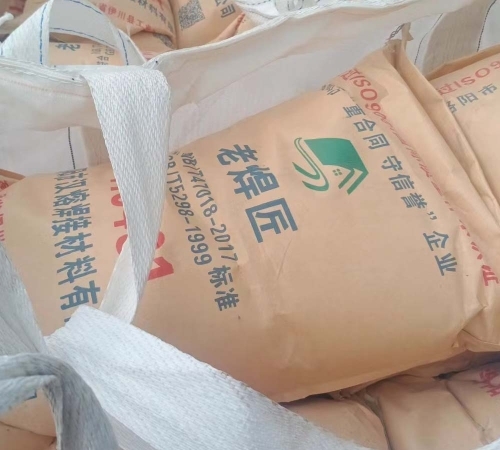
We understand the logistical challenges faced by procurement teams in a global market. Our efficient supply chain allows us to process orders with a minimum order quantity (MOQ) as low as 1 ton, and orders are typically fulfilled within 30 days. This operational efficiency is particularly beneficial for projects requiring timely delivery and flexible order sizes. Our established presence in target markets such as Brazil, Thailand, Australia, and Malaysia further demonstrates our capacity for international distribution and support, providing confidence to global structural fabrication companies.
Navigating the Procurement Process for Welding Materials
An effective procurement strategy for welding materials involves more than just selecting a product; it encompasses a thorough evaluation of the supplier and a streamlined process for acquisition. For procurement teams, this includes:
- Detailed Specification Definition: Clearly outline all technical requirements, including AWS classifications, mechanical properties, sizes, packaging, and any specific project certifications. This minimizes ambiguity and ensures suppliers can quote accurately.
- Supplier Vetting: Assess potential suppliers based on their quality certifications (like ISO 9001), production capacity, raw material sourcing, consistency in product quality, technical support, and logistical capabilities. Requesting samples for testing is often a crucial step.
- Request for Quotation (RFQ) and Negotiation: Issue comprehensive RFQs to pre-qualified suppliers. Evaluate bids not solely on price, but on a total cost of ownership basis, considering lead times, quality assurance, and after-sales support.
- Logistics and Inventory Management: Plan for efficient delivery, storage, and inventory control of welding consumables to prevent stockouts or overstocking, which can impact project timelines and budgets. Reliable suppliers offer flexible delivery schedules and packaging options.
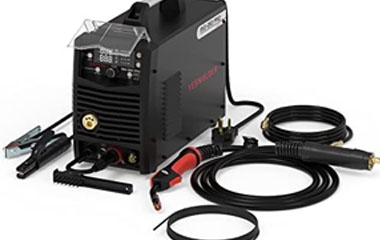
- Long-Term Partnership: Establishing a long-term relationship with a trusted supplier like Oldwelders can lead to benefits such as consistent pricing, priority service, and access to new product developments. Our comprehensive product range, including various welding fluxes and specialized mig-mag-tig welding machine options, means we can cater to a wider array of your project needs, simplifying procurement from a single, reliable source.
Partnering with a Reliable Supplier for Your Structural Steel Projects
The successful execution of structural steel projects hinges significantly on the quality of welding and, by extension, the quality of the welding consumables. Sourcing the right carbon steel electrode is not merely a purchasing task; it is a strategic decision that directly impacts the safety, durability, and cost-effectiveness of the final structure. By prioritizing a supplier with proven manufacturing prowess, rigorous quality control, and a comprehensive understanding of industrial demands, procurement teams can mitigate risks and ensure project success.
Oldwelders is dedicated to being that trusted partner. Our commitment to ISO 9001 standards, combined with our substantial production capacity and meticulous raw material selection, positions us as a leading provider of high-performance welding solutions. Whether your operations are in Brazil, Thailand, Australia, Malaysia, or beyond, our global reach and efficient supply chain ensure that you receive premium welding materials, precisely when you need them.
We invite procurement professionals to explore how Oldwelders can support your structural steel projects with our superior range of welding electrodes and related products. Partner with us to secure the quality and reliability your critical applications demand.
===END===