
Carbon Steel Electrode RFQ Guide for Buyers
Preparing a Comprehensive RFQ for Carbon Steel Electrode Purchases
For B2B buyers and distributors, acquiring the right electrode is critical for ensuring weld quality, operational efficiency, and project success. A well-structured Request for Quotation (RFQ) minimizes misunderstandings and ensures that suppliers can provide accurate pricing and product specifications. This guide outlines essential questions that buyers should consider when preparing an RFQ for Carbon Steel Electrode products, helping to streamline the procurement process and secure reliable welding materials.
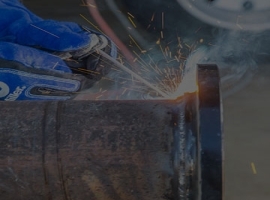
Understanding Your Application Needs for Carbon Steel Electrodes
Before engaging with potential suppliers, a clear understanding of your specific application requirements is paramount. The performance of any welding consumable is directly tied to the environment and materials it will be used with. Detailing these aspects in your RFQ will help suppliers recommend the most suitable products from their range of welding materials.
Material Compatibility and Joint Design
- What specific grades of carbon steel will these electrodes be used to weld (e.g., mild steel, low-carbon steel, structural steel)?
- What are the thickness ranges of the materials to be joined?
- What types of joint designs will be predominantly used (e.g., butt joints, fillet welds, lap joints)?
- Are there any specific pre-heat or post-weld heat treatment requirements for your applications?
Understanding the base metal's properties is foundational. Different carbon steel compositions and thicknesses demand specific electrode characteristics to achieve optimal metallurgical results and mechanical properties in the weldment. For instance, an AWS E6013 Welding Electrode might be ideal for general-purpose mild steel fabrication, but other applications may require different classifications.
Welding Position and Current Type
- What welding positions will be employed (e.g., flat, horizontal, vertical-up, overhead)?
- What type of welding current will be used (AC, DC+, DC-)? What are the typical current ranges?
- What type of welding machine will be utilized? Is it an arc welding machine, or a more specialized unit?
The choice of electrode often depends on the welding position and power source characteristics. Some electrodes are designed for all-position welding, while others excel in specific orientations. Similarly, electrodes are formulated to perform optimally with either alternating current (AC) or direct current (DC), or sometimes both. Specifying your equipment details, such as whether you are using a MIG-MAG-TIG welding machine, helps ensure compatibility.
Environmental Considerations
- What are the typical environmental conditions at your welding site (e.g., workshop, outdoors, high humidity)?
- Are there any specific requirements for low hydrogen content due to potential cracking risks?
- Are there any regulatory or industry-specific environmental standards that the electrodes must meet?
Environmental factors can significantly impact weld quality. For example, high humidity can lead to moisture absorption in electrode coatings, potentially causing hydrogen-induced cracking. Specifying these conditions allows suppliers to recommend electrodes with appropriate moisture resistance or low-hydrogen classifications.
Crucial Technical Specifications and Standards
The technical details of the electrodes themselves are the core of your RFQ. Precision in these specifications ensures that the supplied products meet your exact performance requirements.
Electrode Classification and Diameter
- What AWS (American Welding Society) or equivalent international classification are you seeking (e.g., E6010, E7018, E6013)?
- What specific electrode diameters are required (e.g., 2.5mm, 3.2mm, 4.0mm)?
- Are there any preferred lengths for the electrodes?
Electrode classifications are standardized codes that indicate the mechanical properties, welding positions, and current types an electrode is designed for. Providing these classifications is non-negotiable. Specifying the diameter and length ensures the electrodes are compatible with your welding equipment and operational practices.
Coating Type and Slag Characteristics
- What type of coating is preferred (e.g., cellulosic, rutile, basic)?
- What are the desired slag characteristics (e.g., easy removal, self-peeling, minimal spatter)?
- Are there any specific requirements for arc stability or penetration depth?
The electrode coating plays a crucial role in arc stability, shielding, and the mechanical properties of the weld. Different coatings offer distinct advantages, from deep penetration with cellulosic types to excellent all-position performance with rutile. Slag characteristics directly impact post-weld cleaning efficiency.
Mechanical Properties and Chemical Composition
- What are the minimum required tensile strength, yield strength, and elongation of the weld metal?
- Are impact toughness requirements specified (e.g., Charpy V-notch impact at a certain temperature)?
- Are there any restrictions on the chemical composition of the weld metal (e.g., maximum carbon, manganese, or silicon content)?
For applications where structural integrity is critical, specifying the mechanical properties of the weld metal is essential. These properties dictate how the weld will perform under stress and impact. Chemical composition limits prevent undesirable elements from entering the weld, which could compromise performance.
Quality Assurance and Certifications
Reliable suppliers prioritize quality. Your RFQ should thoroughly inquire about the quality management systems and certifications held by the manufacturer.
Supplier Quality Management Systems
- What quality management certifications does the manufacturer hold (e.g., ISO 9001)?
- Can you provide documentation of your quality control processes for these electrodes?
- How do you ensure the consistency of raw materials used in production?
Oldwelders, for instance, is ISO 9001 certified, demonstrating a commitment to consistent quality management. This certification assures buyers that the manufacturing processes adhere to stringent international standards. We also ensure that the raw materials of our welding fluxes, which are integral to electrode performance, are excellent dolomite, bauxite, cryolite, silica, fluorine ore and other ores, melted at 2000 °C, ensuring superior product integrity.
Testing and Inspection Protocols
- What routine tests are performed on each batch of electrodes (e.g., chemical analysis, mechanical property tests, radiographic inspection)?
- What are your acceptance criteria for these tests?
- Do you offer third-party inspection services or allow customer-witnessed testing?
A reputable supplier should have robust testing and inspection protocols in place for their welding materials. This includes both in-process checks and final product verification to confirm that each batch meets specified standards.
Documentation and Traceability
- What type of material test certificates (MTCs) or certificates of conformity (CoCs) are provided with each shipment?
- How do you ensure traceability of electrodes back to their raw materials and production batch?
- Are safety data sheets (SDS) available for all products?
Comprehensive documentation is crucial for quality assurance and compliance. MTCs provide verifiable data on the electrode's properties, while robust traceability systems ensure that any issues can be quickly investigated and isolated.
Logistics, Supply Chain, and Commercial Considerations
Beyond technical specifications, the practical aspects of procurement — from order size to delivery — are vital for a smooth supply chain.
Minimum Order Quantity (MOQ) and Lead Time
- What is the minimum order quantity for the specified electrodes?
- What is the typical lead time from order confirmation to shipment for standard quantities?
- Can you provide estimated lead times for larger or customized orders?
For buyers, understanding the MOQ and lead time is critical for inventory management and project planning. For example, Oldwelders handles orders starting from 1 ton, with a typical lead time of 30 days, providing clear expectations for our partners.
Packaging and Shipping Requirements
- What are your standard packaging types and sizes for electrodes (e.g., boxes, bundles, plastic containers)?
- Are specialized packaging options available for export or long-term storage?
- What incoterms do you typically offer, and what are your shipping capabilities (e.g., sea, air freight)?
- Do you have experience shipping to specific regions such as Brazil, Thailand, Australia, or Malaysia?
Proper packaging protects the electrodes during transit and storage. Suppliers with experience in international shipping, particularly to target markets like Brazil, Thailand, Australia, and Malaysia, can offer valuable insights and ensure efficient delivery.
Payment Terms and Warranty
- What are your standard payment terms (e.g., upfront payment, letter of credit, net 30)?
- What is your warranty policy for defective products or those that do not meet specifications?
Clear commercial terms are essential for a healthy business relationship. Understanding payment schedules and warranty provisions helps mitigate financial risks and ensures recourse in case of product non-conformity.
Assessing Supplier Capabilities and Support
A strong supplier is more than just a product provider; they are a partner in your operation.
Production Capacity and Reliability
- What is your daily production capacity for electrodes?
- How do you manage sudden increases in demand or large-volume orders?
- Can you provide references from other B2B clients?
Understanding a supplier's production capacity gives buyers confidence in their ability to meet consistent demand. Oldwelders, for example, operates a plant covering 1000 square meters with six production lines, capable of supplying 100 tons a day. This extensive capacity ensures reliable supply for our global partners.
Technical Support and After-Sales Service
- What level of technical support do you offer (e.g., product selection assistance, troubleshooting)?
- What is your process for handling customer complaints or product issues?
- Do you offer training or technical resources for product use?
Excellent technical support can be invaluable, especially when dealing with complex welding applications. A supplier who offers robust after-sales service and technical guidance can significantly enhance a buyer's operational efficiency.
Market Expertise and Global Reach
- What is your experience in serving specific industries or applications relevant to our business?
- Do you have a strong distribution network in our target regions?
Suppliers with a deep understanding of your industry and a proven track record in your market can offer tailored solutions and reliable service. Oldwelders actively serves markets including Brazil, Thailand, Australia, and Malaysia, demonstrating our global reach and understanding of diverse client needs.
By meticulously addressing these questions in your RFQ, you empower potential suppliers to provide precise, competitive, and relevant quotations for Carbon Steel Electrode products. This proactive approach not only streamlines your purchasing process but also lays the groundwork for successful, long-term partnerships, ensuring you secure high-quality welding consumables that meet your exact operational demands.