
Reduce Melt Loss in the Metal Melting Process | Oldwelders
How to Reduce Melt Loss in Your Metal Melting Process
Maximizing yield is a primary objective in any foundry or fabrication facility. A critical factor impacting profitability is metal loss that occurs during the melting process. While some degree of loss is unavoidable, excessive dross, oxidation, and spatter can significantly reduce your material yield, inflate operational costs, and compromise the quality of the final product. For production teams seeing lower-than-expected output, understanding the root causes of this loss is the first step toward implementing effective controls.
Before making significant changes to your consumables, furnace settings, or charge preparation, it's essential to accurately diagnose the problem. This guide provides a systematic approach to identifying the sources of excessive melt loss and offers practical strategies to optimize your metal melting process for greater efficiency and higher yield.
Understanding the Primary Sources of Metal Loss
Metal loss during melting is not a single issue but a combination of several physical and chemical phenomena. Recognizing these distinct sources is crucial for targeted troubleshooting. The main culprits can be categorized into three groups: oxidation, dross or slag formation, and mechanical loss.
Oxidation and Dross Formation
The most significant source of melt loss is oxidation. When molten metal is exposed to oxygen in the atmosphere, a chemical reaction occurs, forming metal oxides on the surface of the melt pool. This layer, known as dross or slag, is a mixture of these oxides, non-metallic impurities from the charge material, and entrapped, unrecoverable metal. While a thin, protective oxide layer can be beneficial in some cases (like with aluminum), an excessively thick or turbulent dross layer indicates a process that is out of control.
Factors that accelerate oxidation include:
- Excessive Temperature: The rate of oxidation increases exponentially with temperature. Overheating the melt not only wastes energy but also "burns" away valuable metal.
- Turbulence: Agitation of the melt surface, whether from improper charging, stirring, or gas porosity, constantly breaks the protective oxide layer and exposes fresh molten metal to the atmosphere, fueling further oxidation.
- Atmospheric Conditions: High humidity or an oxygen-rich furnace atmosphere can dramatically increase the rate of oxide formation.
Mechanical Losses
Mechanical loss refers to the physical loss of metal that is not due to a chemical reaction. This can happen in several ways:
- Spatter and Splashing: Occurs when charging the furnace improperly (e.g., dropping heavy materials from a height) or when wet or oily scrap is introduced, causing a violent steam explosion.
- Slag Removal: During the skimming or de-drossing process, a significant amount of good, usable metal can be accidentally removed along with the slag. Poor technique or improper tools are often to blame.
- Leaks and Spills: While less common with well-maintained equipment, leaks from crucibles, launders, or furnace linings result in a direct loss of molten metal.
As a manufacturer with ISO 9001 certified quality management systems, we understand that process control is paramount. Just as we precisely manage temperatures up to 2000 °C to produce our high-purity welding fluxes, foundries must exert similar control over their operations to minimize these preventable losses.
Diagnosing Excessive Melt Loss: Key Symptoms and Their Causes
Identifying the problem starts with careful observation. Different symptoms point to different root causes, allowing you to focus your corrective actions where they will have the most impact. Here’s a breakdown of common symptoms and what they likely indicate.
Symptom: Unusually Thick, Pasty Dross
If the dross on top of the melt is thick, heavy, and difficult to skim, it often contains a high percentage of entrapped metal. This is a clear sign of an inefficient melting process.
- Likely Cause 1: Overheating. The furnace temperature is set too high or is experiencing significant overshoots. The elevated temperature accelerates oxidation, creating more oxides that then trap metallic particles.
- Likely Cause 2: Excessive Holding Time. Leaving the metal in the furnace at temperature for longer than necessary gives oxidation more time to occur. This is common in facilities with poor coordination between melting and casting or fabrication departments.
- Likely Cause 3: Ineffective Fluxing. The flux being used is either of poor quality, incorrect for the alloy, or used in insufficient quantities. A good flux should help agglomerate oxides into a dry, easily removable slag, releasing any trapped metal back into the melt.
Symptom: Excessive Smoke or Fumes
While some fuming is normal, dense or unusually colored smoke can indicate serious issues with your charge material.
- Likely Cause 1: Contaminated Charge. The scrap metal being charged is dirty, oily, greasy, or coated with paint or plastics. These contaminants burn off, creating smoke and introducing impurities that can increase dross formation.
- Likely Cause 2: Volatilization of Alloying Elements. In alloys containing elements with low boiling points (like zinc in brass), overheating can cause these elements to vaporize, which not only constitutes a metal loss but also alters the final alloy composition.
Symptom: High Levels of Spatter During Charging
Violent reactions when adding material to the furnace are a safety hazard and a direct source of mechanical metal loss.
- Likely Cause: Moisture. The single most common cause is charging wet or damp materials. Even a small amount of trapped water will instantly turn to steam, expanding over 1,500 times in volume and ejecting molten metal from the furnace. All charge materials, including ingots, scrap, and tools, must be thoroughly preheated and dried.
Optimizing Furnace Operations to Minimize Loss
With a diagnosis in hand, you can begin to implement operational changes. The furnace is the heart of the melting process, and its proper management is the most effective way to control yield.
Implement Strict Temperature Control
Your number one priority should be to melt at the lowest effective temperature possible. Every degree above the alloy's optimal pouring temperature increases energy consumption and oxidation rates. Calibrate your thermocouples regularly and train operators to follow prescribed temperature profiles. Avoid "superheating" the metal far beyond what is needed for fluidity and casting. A stable, controlled heating curve is far more efficient than rapidly overshooting the target temperature and then letting it cool.
Minimize Melt Time and Holding Time
The less time the metal spends in its molten state, the less time it has to oxidize. This requires careful production planning. Strive to coordinate furnace cycles so that metal is tapped and used as soon as it reaches the correct temperature and composition. Avoid letting a full furnace sit idle while waiting for the next stage of production. At our 1000-square-meter facility, six production lines are coordinated to ensure continuous flow and minimize holding times, a principle that applies to any scale of operation.
Refine Your Skimming Technique
Train operators on proper slag removal. Use a preheated, clean skimmer with a perforated design to allow liquid metal to drain back into the bath. Skim gently without creating turbulence. Applying a quality drossing flux before skimming can help create a drier, more manageable slag that separates cleanly from the molten metal, significantly reducing the amount of good metal that is removed with it.
The Critical Role of Charge Material Preparation
What you put into the furnace directly impacts what you get out. The quality and condition of your charge material—ingots, scrap, and returns—are fundamental to achieving a high-yield melting process.
Ensure Charge is Clean and Dry
As discussed, moisture is a primary enemy. Institute a strict protocol for preheating all materials before they enter the furnace. This not only prevents dangerous steam explosions but also burns off residual oils and other volatile contaminants. Furthermore, storing scrap and ingots in a dry, covered area prevents them from accumulating moisture from rain or humidity.
Removing dirt, sand, and excessive corrosion from scrap before charging is also beneficial. These non-metallic contaminants will end up in the slag, increasing its volume and potentially trapping more metal. For businesses in diverse climates like Brazil or Thailand, managing moisture and contamination is especially critical.
Optimize Charge Density and Composition
The physical form of the charge matters. Light, thin scrap (like shavings or turnings) has a very high surface-area-to-volume ratio, making it extremely susceptible to oxidation. It can often burn up before it has a chance to melt and join the bath. Whenever possible, compact or briquette light scrap before charging. When charging a furnace, add lower-density materials after a molten heel has been established, allowing them to be submerged quickly rather than floating on the surface where they will oxidize.
Consistent material sourcing for your welding materials and charge stock ensures a more predictable and stable melting process. Just as we rely on excellent raw ores like dolomite and bauxite for our products, your process relies on clean, well-sorted input materials.
How High-Quality Consumables Support an Efficient Melt
Finally, the fluxes and other additions you use play a supporting but vital role. Investing in high-quality consumables can pay for itself through improved metal recovery.
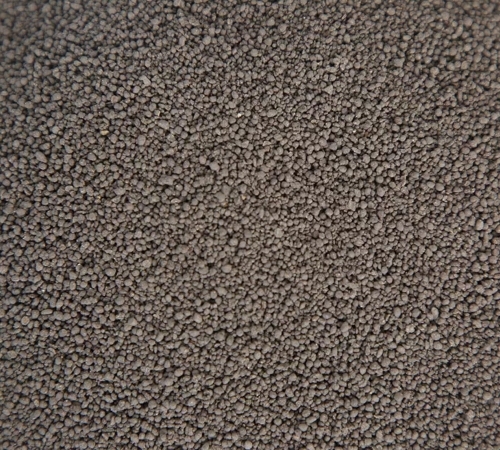
A well-formulated flux creates a protective cover over the melt, shielding it from the atmosphere and reducing oxidation. It also helps dissolve existing oxides and agglomerate them into a low-density slag that is easy to remove without taking good metal with it. Different alloys require different flux chemistries; using a generic or low-grade product can be ineffective or even detrimental.
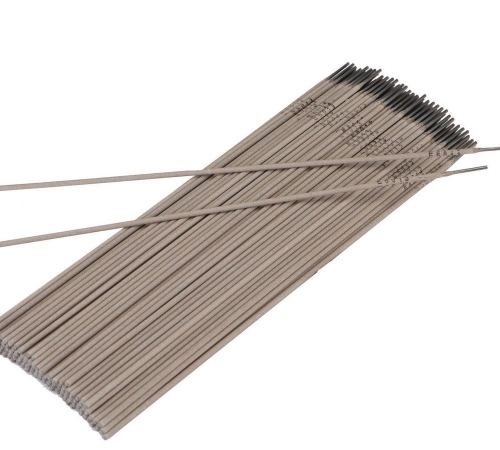
Similarly, when the melting process is part of a larger fabrication workflow, the quality of downstream consumables matters. Using a stable, high-purity solid wire or electrode in the subsequent welding stage ensures the gains made during melting aren't lost to defects. A consistent, high-quality product like our submerged arc welding flux hj431 is designed to create a stable arc and a fluid, protective slag, principles that are directly analogous to managing a melt pool in a furnace.
By systematically addressing furnace operations, charge preparation, and consumable quality, production teams can effectively diagnose and reduce melt loss. This leads not only to direct material cost savings but also to improved alloy consistency, reduced energy consumption, and a more profitable and sustainable operation.