
Prevent Crusher Bottlenecks by Balancing Stages
Prevent Crusher Bottlenecks by Balancing Stages
In the demanding world of aggregate production and mineral processing, an efficient crushing process is the backbone of operational success. Plant operators and technical procurement teams often face the challenge of optimizing output and ensuring consistent product grading within multi-stage crushing circuits. When a line underperforms or an upgrade is underway, identifying and resolving bottlenecks becomes paramount. Understanding the intricacies of material flow and equipment interaction is crucial to maintaining productivity and profitability.
At Oldwelders, we understand the rigorous demands placed on industrial equipment. Our commitment to quality, evidenced by our ISO 9001 certification, reflects our dedication to excellence in every aspect of our operations. With a plant covering an area of 1000 square meters and featuring six production lines capable of supplying 100 tons a day, we appreciate the importance of finely tuned processes and robust machinery. This same dedication to precision and capacity underpins our expertise in providing high-quality welding machine, welding wire, welding rod, and welding fluxes that support the longevity and efficiency of heavy industrial equipment, including crushers.
Understanding the Multi-Stage Crushing Process
The journey from raw material to finished aggregate typically involves a series of crushing stages, each designed to progressively reduce material size and shape. A typical multi-stage crushing process begins with primary crushing, handling large run-of-mine material, followed by secondary and often tertiary crushing stages. Each stage employs specific crusher types, such as jaw crushers for primary reduction, and cone or impact crushers for secondary and tertiary applications, to achieve desired particle size distributions.
The efficiency of this entire circuit heavily relies on the harmonious operation of all components. Screens are integral to the process, separating material by size and often recirculating oversized particles back to the appropriate crusher stage for further reduction. Any imbalance in material flow or processing capacity between these stages can lead to significant inefficiencies, reduced throughput, and increased operational costs.
Identifying Bottlenecks in Your Crushing Circuit
Bottlenecks manifest in various ways within a crushing circuit, often subtly at first, before escalating into major production impediments. Recognizing these symptoms early allows for timely intervention, preserving both output and equipment integrity. Common indicators include:
- Inconsistent Product Grading: If the final product frequently deviates from size specifications, it suggests an issue with crusher settings, screen performance, or an overburdened stage failing to achieve the required reduction.
- Underloaded or Overloaded Crushers: An underloaded crusher operates inefficiently, wasting energy without optimal material processing, while an overloaded crusher experiences excessive wear, increased power consumption, and potential blockages, leading to unscheduled downtime.
- Surging Conveyor Belts: Irregular material flow, characterized by periods of rapid accumulation followed by sparse material, indicates an imbalance in feed rates or a stage that cannot consistently process the incoming volume.
- Excessive Fines Production: While some fines are inevitable, an unusually high percentage can signal issues with crusher liner design, incorrect crusher settings, or material being processed too aggressively in a stage not suited for it.
- Premature Wear on Specific Components: If particular liners, screens, or conveyor components wear out faster than expected, it often points to localized stress from an imbalanced material flow or incorrect material presentation to that component.
Addressing these symptoms proactively is essential for maintaining a high-performance crushing process. Neglecting them can lead to cascading failures, significant repair expenses, and a severe impact on your plant's overall productivity.
Strategies for Optimizing the Crushing Process and Throughput
Achieving peak efficiency in your multi-stage crushing circuit requires a strategic approach to balancing its various components. Here are key strategies to prevent bottlenecks and maximize throughput:
Capacity Matching Across Stages
One of the most critical aspects of an efficient crushing circuit is ensuring that each stage can handle the output of the preceding one. This involves carefully calculating the reduction ratio of each crusher and matching it with the volumetric capacity of subsequent equipment. For instance, if a primary jaw crusher produces 200 tons per hour (TPH) of material, the secondary crusher and its associated screens must be capable of processing at least that amount, accounting for recirculation. Regular audits of actual material flow rates versus design capacities can highlight discrepancies and areas needing adjustment. This might involve optimizing crusher settings, adjusting feeder speeds, or even considering equipment upgrades to harmonize the entire arc welding machine and crushing line.
Optimizing Screen Recirculation
Screens play a pivotal role in closed-circuit crushing operations, ensuring that only appropriately sized material proceeds to the next stage or final product. Ineffective screening can lead to significant bottlenecks. Undersized material being fed to a crusher reduces its efficiency, while oversized material passing through can contaminate the final product or overload subsequent stages. Regular inspection and maintenance of screen media are vital. Adjusting screen angles, stroke, and frequency can fine-tune separation efficiency. The recirculation loop, which sends oversized material back to the crusher, must be efficiently managed to avoid overwhelming the crusher or creating a perpetual cycle of unprocessed material.
Implementing Effective Choke Feeding
Many crushers, particularly cone crushers, operate most efficiently when choke-fed, meaning the crushing chamber is kept full. Choke feeding promotes inter-particle crushing, leading to better product shape, a more consistent cubical product, and reduced liner wear. However, uncontrolled choke feeding can lead to overloading. The key is to maintain a consistent, full feed without exceeding the crusher's power limits. This often requires sophisticated feeder control systems that monitor motor amperage and adjust feed rates dynamically. Proper choke feeding is a nuanced aspect of the crushing process that significantly impacts both product quality and equipment longevity.
Precision Feeder Control
The initial feed into the primary crusher sets the tone for the entire crushing process. Variable speed feeders (e.g., vibrating grizzlies or apron feeders) allow for precise control over the material flow. By integrating these feeders with upstream and downstream sensors (e.g., belt scales, crusher motor load indicators), operators can create an automated system that adjusts feed rates in real-time. This prevents surges and starvation, ensuring a steady and optimal material presentation to each crusher, thereby stabilizing the overall crushing process and preventing bottlenecks.
Proactive Maintenance and Quality Wear Parts
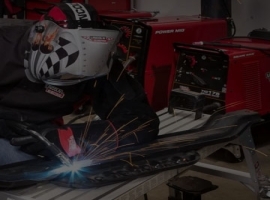
Even the most perfectly balanced circuit will suffer if its components are not maintained. Worn crusher liners, damaged screen media, faulty bearings, or compromised conveyor belts can rapidly degrade performance and introduce new bottlenecks. A robust preventative maintenance schedule is essential, including regular inspections, timely replacement of wear parts, and proper lubrication. When it comes to maintaining heavy machinery like crushers, the quality of repair and fabrication materials is critical. Oldwelders provides industrial-grade flux-cored wire, welding rods, and welding fluxes designed for durability and strength, ensuring that repairs stand up to the extreme forces encountered in crushing operations. Our products are trusted in demanding environments across target markets such as Brazil, Thailand, Australia, and Malaysia.
The Role of Quality Materials in Sustainable Crushing Operations
The longevity and efficiency of your crushing equipment are directly tied to the quality of its construction and the materials used in its maintenance. Wear parts like liners, hammers, and screens endure immense abrasive and impact forces. The ability to repair and reinforce these components effectively is vital for sustained operation.
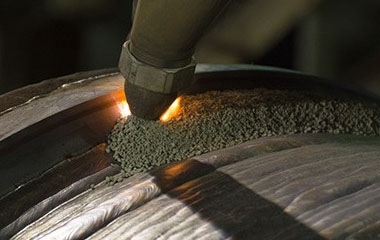
At Oldwelders, we understand material science at a fundamental level. Our premium submerged arc welding flux HJ431 and other flux products are formulated from excellent raw materials such as dolomite, bauxite, cryolite, silica, and fluorine ore. These components are meticulously melted at 2000 °C to produce a superior product that ensures strong, durable welds. This expertise in material composition and high-temperature processing translates directly into the quality of our automatic welding machine consumables, which are critical for hardfacing and repairing crusher components, extending their service life and reducing downtime.
By using high-quality welding consumables, plant operators can ensure that repaired components meet or exceed original equipment specifications, contributing to a more reliable and efficient crushing process. Investing in superior welding materials is an investment in the overall sustainability and profitability of your crushing operations.
Conclusion
Preventing crusher bottlenecks by balancing the various stages of your crushing process is essential for maximizing throughput, ensuring consistent product quality, and minimizing operational costs. By focusing on capacity matching, optimizing screen recirculation, implementing effective choke feeding, and prioritizing precision feeder control and proactive maintenance, plant operators can transform an erratic circuit into a highly efficient production line.
Oldwelders is your trusted partner in achieving operational excellence. Our comprehensive range of ISO 9001 certified high grade energy welding machine, welding wires, rods, and fluxes provides the robust solutions needed to maintain and repair the heavy machinery that drives your business. With our commitment to quality, backed by a production capacity of 100 tons a day and a minimum order quantity (MOQ) of 1 ton, we are equipped to support your needs globally. Partner with Oldwelders to enhance the durability and performance of your equipment, ensuring your crushing process operates at its full potential.