
Optimizing SAW Flux Reuse: Preventing Porosity
Understanding When Recycled SAW Flux Granules Can Lead to Weld Porosity
Submerged Arc Welding (SAW) is a highly efficient and productive welding process, widely adopted in various industries for its speed and ability to produce high-quality welds. A critical component of this process is the welding flux, which protects the molten weld pool from atmospheric contamination, stabilizes the arc, and influences the mechanical properties of the weld metal. While the economic appeal of reusing spent flux granules is undeniable for many operations seeking to reduce consumable waste, this practice introduces a complex set of challenges that, if not properly managed, can significantly compromise weld integrity. One of the most prevalent and critical defects arising from improper flux reuse is porosity.
This article delves into the science behind flux degradation during the SAW process and explains how the reuse of recycled granules can lead to porosity, offering insights into best practices for maintaining weld quality while optimizing material usage. For quality managers and SAW operators, understanding these dynamics is crucial for making informed decisions on the shop floor.
The Core Challenge of SAW Flux Reuse: Degradation During Welding
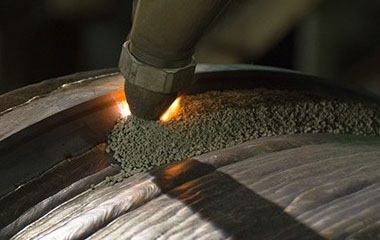
During the Submerged Arc Welding process, the flux plays a dynamic role that fundamentally alters its physical and chemical properties. Only a portion of the flux, typically the material directly beneath and around the arc, melts and participates in the metallurgical reactions of the weld pool. The surrounding, unmelted flux, however, is still subjected to high temperatures and can undergo significant changes, making its subsequent reuse problematic if not carefully controlled.
Physical and Chemical Transformations of Welding Flux
- Moisture Absorption: Welding fluxes are often hygroscopic, meaning they readily absorb moisture from the surrounding atmosphere. Even unmelted granules, especially those that have been exposed to the heat of the welding process, can become more susceptible to moisture uptake. This absorbed moisture is a primary source of hydrogen, which is a major contributor to hydrogen-induced porosity in welds.
- Particle Size Distribution Alteration: The mechanical handling and thermal cycling of the flux during welding can cause granules to break down, increasing the proportion of fine particles. An excessive amount of fines can lead to issues such as increased slag viscosity, poor slag detachability, and difficulty in maintaining a stable arc. Fines can also contribute to gas entrapment within the weld pool, leading to porosity.
- Chemical Depletion and Contamination: As a portion of the flux melts, key deoxidizing and alloying elements are consumed in the weld pool. The remaining unmelted flux, when mixed with fresh material, may have a reduced concentration of these critical components. Furthermore, the used flux can become contaminated with slag particles, rust, mill scale, or other foreign debris from the workpiece or environment, introducing impurities that are detrimental to weld quality.
- Changes in Flux Basicity: The chemical composition of the flux dictates its basicity, which in turn influences the metallurgical reactions in the weld pool and the mechanical properties of the weld metal. Repeated heating and partial melting can subtly alter the effective basicity of the remaining flux, impacting the deoxidation capacity and potentially leading to unwanted reactions that generate gas and porosity.
Understanding these transformations is the first step in recognizing the inherent risks associated with the uncontrolled reuse of welding fluxes. While the initial quality of the flux from manufacturers like Oldwelders is meticulously controlled, the in-process degradation demands diligent management to prevent defects.
Mechanisms of Porosity Formation from Contaminated or Degraded Flux
Porosity, characterized by gas pockets trapped within the solidified weld metal, is a critical defect that can severely reduce the mechanical strength and integrity of a weld. When recycled SAW Flux is not properly managed, it introduces several pathways through which these detrimental gas voids can form.
Hydrogen Porosity from Moisture
The most common cause of porosity related to flux degradation is the presence of excessive hydrogen. As mentioned, fluxes can absorb moisture. When this moisture comes into contact with the high temperatures of the welding arc, it dissociates into hydrogen and oxygen. The hydrogen can then dissolve into the molten weld pool. As the weld metal cools and solidifies, the solubility of hydrogen drastically decreases. If the hydrogen cannot escape before solidification, it becomes trapped, forming pores. Recycled flux, especially fine particles, often has higher moisture content due to increased surface area and repeated exposure to ambient conditions, making it a significant source of hydrogen.
Gas Entrapment from Chemical Imbalance and Contaminants
The chemical composition of the flux is designed to react with impurities in the weld pool, forming stable slag and releasing gases harmlessly. If the recycled flux has depleted deoxidizers or contains contaminants, these reactions can be disrupted. For example:
- Depletion of Deoxidizers: Elements like silicon and manganese in the flux react with oxygen in the weld pool to form stable oxides that become part of the slag. If these elements are depleted in the reused flux, excess oxygen can remain in the molten metal. During solidification, this oxygen may react with carbon to form carbon monoxide (CO) gas, which can become trapped as porosity.
- Foreign Contaminants: Rust, paint, grease, or other organic materials introduced from the workpiece or shop floor into the recycled flux can decompose under the arc's heat, generating gases (e.g., CO, CO2, H2O vapor). These gases, if unable to escape the molten pool, will form pores.
- Unstable Arc Conditions: An altered particle size distribution in the recycled flux, particularly an excess of fines, can lead to an unstable arc. An unstable arc can cause erratic melting and solidification patterns, increasing the likelihood of gas entrapment.
Insufficient Slag Protection
A well-functioning flux creates a stable, protective slag layer over the molten weld pool. Degraded or contaminated SAW Flux can lead to an unstable or incomplete slag cover, exposing the molten metal to the atmosphere. Atmospheric gases, primarily nitrogen and oxygen, can then dissolve into the weld pool and become trapped as porosity upon solidification, particularly nitrogen porosity. The consistency and flow of the slag are also critical; an overly viscous or turbulent slag, which can result from altered flux properties, may hinder the escape of gases from the molten metal.
Implementing Robust Flux Management for Optimal Weld Quality
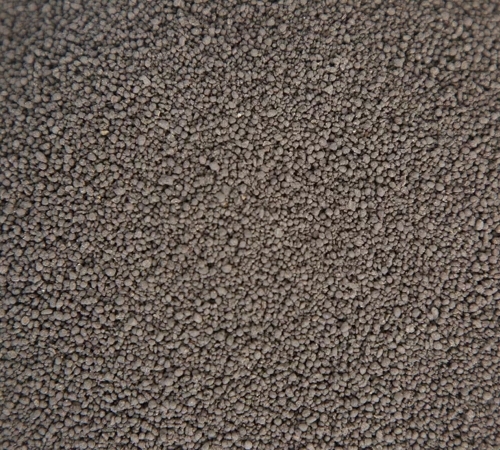
To mitigate the risks of porosity and other weld defects when incorporating recycled SAW Flux into operations, a systematic and controlled approach to flux management is indispensable. Balancing cost savings with uncompromised weld quality requires adherence to proven best practices.
Essential Flux Management Strategies:
- Controlled Segregation and Collection: Ensure that used flux is collected separately from fresh flux. Implement clear procedures for handling and storage to prevent cross-contamination with other welding materials, debris, or moisture.
- Effective Screening and Fines Removal: Invest in reliable flux recovery and screening systems. These systems should effectively remove slag particles, oversized contaminants, and most importantly, excessive fines. Fines are the primary culprits for moisture absorption and arc instability. Regular maintenance and calibration of screening equipment are crucial.
- Drying and Baking Procedures: For hygroscopic fluxes, proper drying is paramount. Utilize flux drying ovens designed to remove absorbed moisture. Adhere strictly to the manufacturer's recommended drying temperatures and durations. For recycled flux, an effective redrying process can significantly reduce the risk of hydrogen-induced porosity.
- Controlled Mixing Ratios: Never reuse 100% recycled flux. Always blend a controlled proportion of fresh flux with reclaimed material. The optimal mixing ratio (e.g., 1 part recycled to 1-3 parts fresh) depends on the flux type, application, and specific quality requirements. This ensures that the overall chemical composition and deoxidizing capacity remain within acceptable limits.
- Batch Management and Traceability: Implement a system to track batches of recycled flux. Knowing the origin and number of times a batch has been recycled can help in making informed decisions about its suitability for reuse.
- Regular Quality Control Testing: For large-scale operations, periodic testing of recycled flux is advisable. This can include:
- Moisture Content Analysis: To ensure drying procedures are effective.
- Particle Size Distribution Analysis: To monitor the breakdown of granules.
- Chemical Analysis: To verify the retention of key deoxidizers and the absence of harmful contaminants.
- Test Welds: Performing routine test welds with specific recycled flux batches to visually inspect for porosity and other defects.
- Equipment Maintenance: Ensure that flux handling equipment, including hoppers, feeders, and recovery units, is clean, dry, and functioning correctly to prevent further contamination or moisture ingress.
By integrating these practices into daily operations, welding facilities can achieve a balance between economic efficiency and the uncompromised quality demanded in critical applications. Optimal SAW Flux management is an investment in the integrity of every weld.
Oldwelders' Commitment to Quality and Reliable Supply for Your Welding Operations
At Oldwelders, we understand that the integrity of your welds is non-negotiable. Our dedication to providing superior SAW Flux and other welding consumables is underpinned by a rigorous commitment to quality assurance and robust manufacturing capabilities. We stand as a trusted partner for businesses seeking to achieve peak performance and reliability in their welding processes.
A Foundation of Quality and Precision
Our operational excellence is certified by ISO 9001, an international standard that underscores our adherence to stringent quality management systems across all facets of our production and service. This certification is not merely a formality; it is a testament to our unwavering focus on delivering consistent, high-performance products that meet the exacting demands of modern industry.
The manufacturing of our flux products is a testament to precision and material science. We meticulously select excellent raw materials, including high-grade dolomite, bauxite, cryolite, silica, and fluorine ore. These premium ores are then melted at an intense 2000 °C, a process that ensures the uniform chemical composition and optimal physical properties essential for stable arc performance and superior weld metallurgy. This careful control at every stage ensures that our SAW Flux provides consistent deoxidation, slag formation, and arc stability, minimizing the inherent risks of porosity when used correctly.
Unparalleled Production Capacity and Global Reach
Our commitment to reliable supply is evident in our state-of-the-art manufacturing facility. Our plant covers an impressive area of 1000 square meters and is equipped with six production lines, capable of supplying up to 100 tons a day. This substantial capacity ensures that Oldwelders can meet the demands of even the largest industrial projects, providing an uninterrupted supply of high-quality welding consumables, including not only flux but also welding machine, welding wire, and welding rod.
We facilitate global commerce with efficient logistics and responsive customer service. Our minimum order quantity (MOQ) of 1 ton for many of our products demonstrates our flexibility in supporting businesses of various scales, from specialized workshops to large-scale fabrication plants. Furthermore, our clear business terms, including a 30-day policy for returns or quality assurances, provide our customers with peace of mind and confidence in their partnership with Oldwelders. Our extensive distribution network effectively serves key target markets such as Brazil, Thailand, Australia, and Malaysia, ensuring that our premium welding solutions are accessible worldwide.
Selecting the Right Flux for Your Application
Choosing the correct SAW Flux is crucial for achieving optimal results and preventing defects. Oldwelders offers a diverse range of flux types, each engineered for specific applications and material combinations. For example, our submerged arc welding flux HJ431 is renowned for its excellent performance in various structural steel applications, providing robust mechanical properties and superior bead appearance. Our expert team is available to assist you in selecting the ideal flux that aligns with your project's technical specifications and operational goals, ensuring that you start with the best possible materials to minimize issues like porosity.
Conclusion
While the economic incentives for reusing SAW Flux are clear, the pursuit of cost savings must never compromise weld quality. The degradation of flux granules during the welding process introduces significant risks, with porosity being a primary concern that can undermine the structural integrity and performance of welded components. Effective flux management, incorporating controlled collection, screening, drying, and precise mixing ratios, is essential to mitigate these risks.
Partnering with a reputable manufacturer like Oldwelders ensures access to consistently high-quality welding consumables, manufactured under stringent ISO 9001 standards from excellent raw materials. Our substantial production capacity and global service network provide the reliability and support necessary for your welding operations to thrive. By combining Oldwelders' premium SAW Flux with diligent internal process controls, you can achieve both economic efficiency and the unyielding quality demanded in today's industrial landscape, safeguarding your reputation and the performance of your fabricated products.